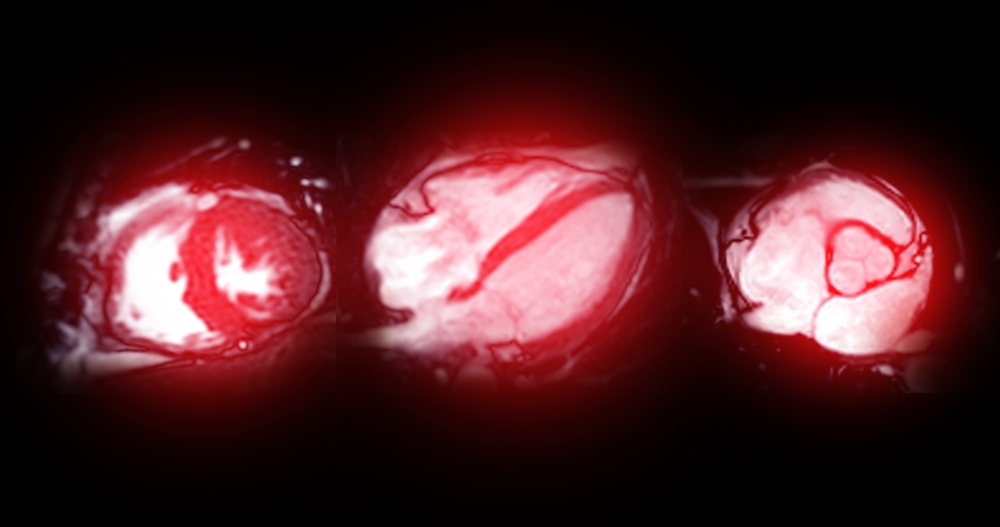
Cardiac MRI scans use high-resolution imaging to show your cardiologist the exact structure and function of your heart muscle, without any radiation. These scans help detect scarring, inflammation, and blood flow issues that other tests can miss, giving your care team a clearer path toward the right treatment for your loved one.
Waiting to understand what is happening inside your loved one’s heart can feel unbearable. You want answers, and you want them to come from a test that is safe, accurate, and thorough.
Cardiac MRI scans were designed for exactly that moment. Unlike an X-ray or standard ultrasound, this technology produces high-resolution scans of heart muscle tissue, capturing detail that helps your cardiologist see problems long before they become emergencies.
This guide walks through what cardiac MRI scans show, when your cardiologist may recommend one, and what the appointment itself looks like. By the end, you will have a clearer picture of what to expect and how to find the right support close to home.
What Do Cardiac MRI Scans Show About Heart Muscle?
Cardiac MRI scans use magnetic fields and radio waves to create detailed images of the heart’s chambers, valves, and muscle tissue. There is no radiation involved, which makes the scan a safe option for repeated monitoring over time.
How High-Resolution Scans for Heart Muscle Help Diagnose Problems Early
High-resolution scans for heart muscle can reveal scar tissue from a past heart attack, inflammation from viral infections, and thickening linked to inherited heart conditions. These details often do not show up clearly on an echocardiogram. That extra clarity gives your cardiologist a more complete view before recommending treatment.
When Might Your Cardiologist Recommend a Cardiac MRI Scan?
Your cardiologist may suggest cardiac MRI scans if your loved one has:
- Unexplained symptoms: Chest pain, shortness of breath, or fatigue that other tests have not fully explained.
- A family history of heart disease: Especially conditions like cardiomyopathy that run in families.
- Prior heart damage: A history of heart attack, myocarditis, or heart failure that needs closer monitoring.
- Abnormal results from other tests: When an echocardiogram or stress test raises questions that need more detail.
What Happens During a Cardiac MRI Scan?
The scan itself is painless and typically takes 45 to 90 minutes. Your loved one lies on a table that slides into the MRI machine, and a contrast dye may be used to highlight blood flow and tissue detail. Most patients go home the same day with no downtime needed.
Your loved one’s cardiologist will review the images shortly after and walk through the findings during a follow-up visit.
Finding a Cardiology Clinic in Brooklyn for Cardiac MRI Care
Choosing a cardiology clinic in Brooklyn close to home makes ongoing monitoring far less stressful. It means shorter travel times, easier scheduling around recovery, and the chance to build a real relationship with your cardiologist over time. A trusted cardiology clinic in Brooklyn also keeps your loved one’s full history in one place, so nothing gets lost between appointments.
Taking the Next Step for Your Loved One’s Heart Health
You do not need to carry the weight of these decisions alone. Cardiac MRI scans give your family real answers, and the right cardiologist can turn those answers into a clear plan forward.
Our Cardiology team is here to guide you when you need advanced heart imaging and personalized care. Reach out to us today by calling +1-718-367-2555 or visiting us at 1797 Pitkin Avenue, Brooklyn, NY 1121 to schedule a cardiac MRI consultation and take the next step toward lasting heart health.