Resistant hypertension occurs when blood pressure stays above target despite taking three different blood pressure medications, including a diuretic, at their optimal doses. It affects an estimated 12 to 15 percent of people treated for high blood pressure and often signals an underlying cause that needs closer investigation. A cardiologist can identify what is driving the resistance and adjust your treatment plan accordingly.
Taking three blood pressure medications every day and still watching the numbers climb is frustrating and, understandably, a little frightening. You have done what your doctor asked. You have taken the pills, cut the salt, and made the lifestyle changes. So when three blood pressure meds still fail to bring your numbers down, it is natural to wonder what is going wrong, and whether something more serious is at play.
What Is Resistant Hypertension?
Resistant hypertension is defined as blood pressure that remains above goal despite the use of three antihypertensive medications from different drug classes, one of which is typically a diuretic, all taken at appropriate doses. It is more common than many people realize, and it does not automatically mean your treatment has failed. It often means your body needs a different approach.
When Three Blood Pressure Meds Still Fail, What Does It Mean?
If your blood pressure has not responded even after adding a third medication, your body may be dealing with a secondary or contributing factor that basic treatment has not addressed yet.
Common Causes Behind Resistant Hypertension
Several underlying issues can keep blood pressure elevated despite consistent treatment:
- Undiagnosed sleep apnea. Disrupted breathing during sleep places ongoing stress on the cardiovascular system.
- Kidney disease. The kidneys play a direct role in regulating blood pressure, and dysfunction here can undermine medication.
- Hormonal imbalances. Conditions like primary aldosteronism cause the body to retain excess sodium and fluid.
- Medication interference. Certain over-the-counter drugs, like NSAIDs, and even some prescription medications can raise blood pressure or blunt the effect of antihypertensives.
- Inconsistent dosing. Missed doses or improper timing can make treatment look ineffective when the real issue is adherence.
When to Involve a Cardiologist
If three medications have not brought your blood pressure under control, it is time to bring a cardiologist into the conversation. A cardiologist can run targeted tests to rule out secondary causes and determine whether your current regimen needs to change entirely rather than simply adding a fourth medication.
How a Cardiologist Diagnoses Resistant Hypertension
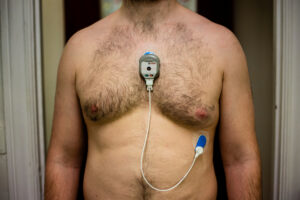
A cardiologist typically starts by confirming the diagnosis with out-of-office blood pressure readings, since some cases turn out to be white coat hypertension rather than true resistance. From there, testing may include bloodwork, kidney function tests, a sleep study, or hormone panels to identify a root cause. Once the cause is clear, your cardiologist can tailor a treatment plan that targets the actual problem instead of layering on more medication.
Finding Support at a Cardiology Clinic in Brooklyn
Managing resistant hypertension takes more than a prescription. It takes a care team that understands your full health picture and can adjust course as needed. A cardiology clinic in Brooklyn can offer the testing, monitoring, and follow-up care needed to get resistant hypertension under control, without requiring you to travel far from home.
Choosing a cardiology clinic in Brooklyn also means continuity of care. You will not need to repeat your history at every visit, and your care team will already know what has and has not worked for you.
You Do Not Have to Manage This Alone
Watching three medications fail to control your blood pressure is discouraging, but it is not the end of the road. It is a sign that your treatment plan needs a closer look from someone who can dig deeper. Reach out to our Cardiology team today by calling +1-718-367-2555 or visiting us at 1797 Pitkin Avenue, Brooklyn, NY 1121 to schedule an evaluation and take the next step toward getting your blood pressure back under control.