Sudden tachycardia spikes are often triggered by dehydration, which thickens the blood and forces your heart to beat faster to keep circulation moving. But recurring or severe spikes can point to a real electrical heart problem, such as atrial fibrillation or supraventricular tachycardia. A cardiologist can run simple tests to tell the difference and guide you toward the right treatment.
Feeling your heart suddenly race can be alarming, especially when you are not sure why it is happening. For many people, sudden tachycardia spikes are nothing more than a sign of dehydration. For others, the same racing heartbeat signals a genuine electrical problem inside the heart. Knowing the difference between dehydration and real electrical heart issues can help you respond calmly and know when it is time to seek medical care.
How Dehydration Causes Sudden Tachycardia Spikes
When you are dehydrated, your blood volume drops. Your heart has to work harder and beat faster to deliver oxygen throughout your body. This is one of the most common causes of sudden tachycardia spikes, and it usually resolves once you rehydrate.
Common Signs Your Racing Heart Is Dehydration-Related
- Thirst and dry mouth. These often appear alongside a racing heartbeat.
- Dizziness when standing. Low blood volume can cause lightheadedness.
- Dark urine or reduced urination. This signals your body needs more fluids.
- Quick improvement after drinking water. If your heart rate settles within minutes, dehydration is likely the cause.
When Sudden Tachycardia Spikes Point to a Real Electrical Heart Issue
Not every racing heartbeat is caused by fluid loss. Sometimes the heart’s electrical signaling misfires, creating a real electrical heart issue rather than a temporary reaction to dehydration. Conditions like atrial fibrillation, supraventricular tachycardia, and ventricular tachycardia fall into this category.
Signs You Should Not Ignore
- Episodes that come on suddenly without exertion or heat exposure.
- A racing heart that does not improve with rest or hydration.
- Chest pain, shortness of breath, or fainting during an episode.
- A family history of heart rhythm disorders.
If these symptoms sound familiar, it is time to talk to a cardiologist rather than wait for the episode to pass on its own.
How a Cardiologist Tells the Difference
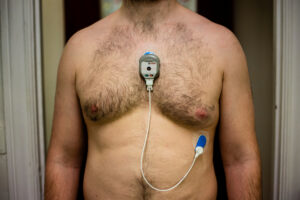
A cardiologist uses tools like an EKG, Holter monitor, or blood tests to determine whether dehydration or a true electrical heart issue is behind your symptoms. According to the American Heart Association, an EKG can capture abnormal rhythms that point to conditions requiring ongoing management. Choose an evaluation with a cardiologist if your symptoms recur more than once, since repeated episodes are less likely to be simple dehydration.
Getting Answers at a Cardiology Clinic in Brooklyn
You do not have to guess what is causing your racing heart. A cardiology clinic in Brooklyn can offer same-week testing, so you get answers quickly instead of waiting weeks for a diagnosis. Choosing a cardiology clinic in Brooklyn close to home also means follow-up care and monitoring happen with a team that already knows your history.
Your Next Step Toward a Calmer Heart Rhythm
A racing heart deserves attention, whether it turns out to be dehydration or something that needs ongoing care. Reach out to our Cardiology team today by calling +1-718-367-2555 or visiting us at 1797 Pitkin Avenue, Brooklyn, NY 1121 to schedule an evaluation and get clear answers about what your heart is telling you.