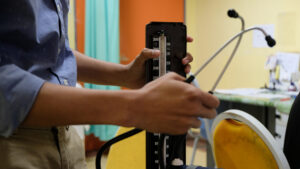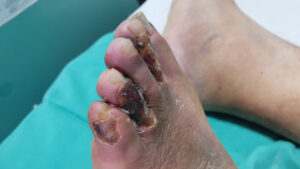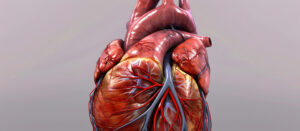
High blood pressure is often thought of as an older adult’s problem. So when a young, healthy person is told their blood pressure is dangerously high, it can feel confusing and even a little frightening. Fibromuscular dysplasia is one of the lesser-known but important reasons why young adults develop high blood pressure. This condition affects the arteries, causing them to narrow, twist, or bulge in ways that disrupt normal blood flow. Understanding what fibromuscular dysplasia is and how it connects to blood pressure can help you make sense of your symptoms and know when to seek help.
What Is Fibromuscular Dysplasia?
Fibromuscular dysplasia, often shortened to FMD, is a condition where the cells in the walls of certain arteries grow abnormally. Instead of staying smooth and flexible, the artery wall develops areas of narrowing or weakness. This most commonly affects the arteries leading to the kidneys and the brain, though it can occur elsewhere in the body.
How FMD Affects Blood Vessels
When an artery narrows because of fibromuscular dysplasia, blood has a harder time flowing through it smoothly. Your body responds by increasing pressure to push blood past the narrowed section. Over time, this extra effort raises your overall blood pressure.
Why Do Young Adults Develop High Blood Pressure From FMD?
This is one of the central reasons why young adults develop high blood pressure without any of the usual risk factors, such as obesity or a family history of hypertension. When fibromuscular dysplasia narrows the renal arteries, the kidneys sense reduced blood flow and release hormones that raise blood pressure throughout the body. This is sometimes called renovascular hypertension.
Because FMD tends to affect women more often than men, and frequently appears between the ages of 20 and 50, it can easily be mistaken for stress-related or unexplained hypertension. A vascular specialist can help identify whether FMD is the underlying cause.
What Are the Warning Signs of Fibromuscular Dysplasia?
Symptoms vary depending on which arteries are affected, but common signs include:
- Persistent high blood pressure that is difficult to control with medication
- Headaches or ringing in the ears
- Dizziness or lightheadedness
- Abdominal pain if the arteries supplying the intestines are involved
- A whooshing sound heard by your doctor over an artery, known as a bruit
If you notice these symptoms, especially at a younger age, it is worth discussing them with your doctor.
When Should You See a Vascular Specialist?
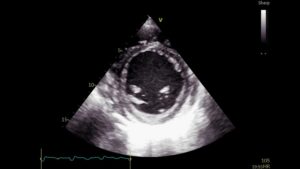
You do not have to wait until symptoms become severe to seek answers. If your blood pressure remains high despite medication, or if you experience unexplained headaches, dizziness, or abdominal discomfort, a vascular specialist can help determine whether fibromuscular dysplasia is playing a role. Imaging tests, such as an ultrasound, CT scan, or angiogram, can confirm a diagnosis and guide the right treatment plan.
Patients in New York often turn to a vascular clinic in Brooklyn for these evaluations, since timely imaging and specialist review can make a real difference in managing symptoms early.
How Is Fibromuscular Dysplasia Treated?
Treatment depends on the severity of the narrowing and which arteries are involved. Options may include:
- Blood pressure medications to manage symptoms
- Angioplasty, a minimally invasive procedure to widen the narrowed artery
- Regular monitoring through a vascular specialist to track changes over time
Most people with fibromuscular dysplasia go on to live full, active lives once the condition is properly managed.
You Do Not Have to Face This Alone
Learning that fibromuscular dysplasia may be behind your high blood pressure can feel overwhelming at first. But with the right care team beside you, this condition is manageable. Reach out to our Vascular team today by calling +1-718-367-2555 or visiting us at 1797 Pitkin Avenue, Brooklyn, NY 1121 to schedule an evaluation and get the answers you deserve about your blood pressure and vascular health.