Late-stage Lyme disease can cause lingering symptoms like chronic fatigue and joint swelling, even after initial treatment. Managing these symptoms often requires ongoing care from an infectious disease specialist, along with home-based support for medication management and daily comfort. Working with infectious disease doctors in Brooklyn who understand post-treatment Lyme symptoms can help your family build a care plan that brings real relief.
Watching a loved one struggle with exhaustion that never seems to lift is hard. It is even harder when joint pain and swelling make simple movements, like getting out of bed, feel like a daily battle. Late-stage Lyme disease can leave patients feeling this way long after the initial tick bite is a distant memory.
You are not imagining it, and your loved one is not simply “not trying hard enough.” Managing chronic fatigue and joint swelling from late-stage Lyme disease takes a coordinated, compassionate approach. That is where the right medical guidance, paired with support at home, makes all the difference.
What Causes Chronic Fatigue and Joint Swelling in Late-Stage Lyme Disease?
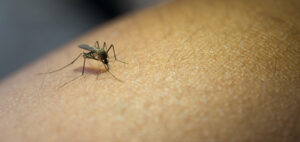
Lyme disease is caused by the bacterium Borrelia burgdorferi, transmitted through tick bites. When left untreated or only partially treated, the infection can spread, triggering ongoing inflammation in the joints and nervous system.
This lingering inflammation is often behind two of the most disruptive late-stage symptoms:
- Chronic fatigue: A deep, persistent tiredness that does not improve with rest.
- Joint swelling: Recurring pain and stiffness, most commonly in the knees, that can limit mobility.
Why Ongoing Care From an Infectious Disease Specialist Matters
An infectious disease specialist can help determine whether symptoms stem from active infection, post-treatment Lyme disease syndrome, or another underlying condition. This distinction shapes the entire treatment plan, so getting an accurate diagnosis early is essential to your loved one’s recovery.
How Can You Manage Symptoms at Home?
Once a treatment plan is in place, day-to-day management becomes just as important as clinical care. Here is what tends to help most:
- Medication management: Missed doses or incorrect timing can slow recovery. A home visit from a qualified nurse ensures medications are taken correctly and on schedule.
- Gentle movement: Low-impact activity, like stretching or short walks, can ease joint stiffness without overexertion.
- Rest structured around energy levels: Encourage your loved one to plan demanding tasks during higher-energy periods and rest without guilt during low ones.
- Regular symptom tracking: Keeping a simple log of fatigue and swelling patterns gives your care team useful information for adjusting treatment.
When Should You Bring In Additional Support?
If your loved one struggles to keep up with appointments, medications, or basic daily tasks, it may be time to bring in additional help. Many families in Brooklyn choose to work with infectious disease doctors in Brooklyn who partner with home care teams, so treatment and daily support work together rather than in isolation.
You Do Not Have to Manage This Alone
Late-stage Lyme disease is exhausting for patients and families alike. But with the right infectious disease specialist guiding treatment and compassionate home support handling the day-to-day, your loved one can regain stability and comfort.
Our infectious disease specialists connect families with experienced infectious disease doctors in Brooklyn and coordinate in-home care tailored to each patient’s needs. Reach out today by calling +1-718-367-2555 or visiting us at 1797 Pitkin Avenue, Brooklyn, NY 1121 to talk with our team about building a care plan that brings your family peace of mind.