Community-acquired MRSA is a staph infection that resists common antibiotics and spreads outside hospital settings, often through skin contact or shared surfaces. Following essential home sanitation and care rules for community-acquired MRSA- daily disinfecting, careful wound care, and separate laundry practices- can stop it from spreading to your loved ones. When symptoms worsen, an infectious disease specialist can guide safe, effective treatment.
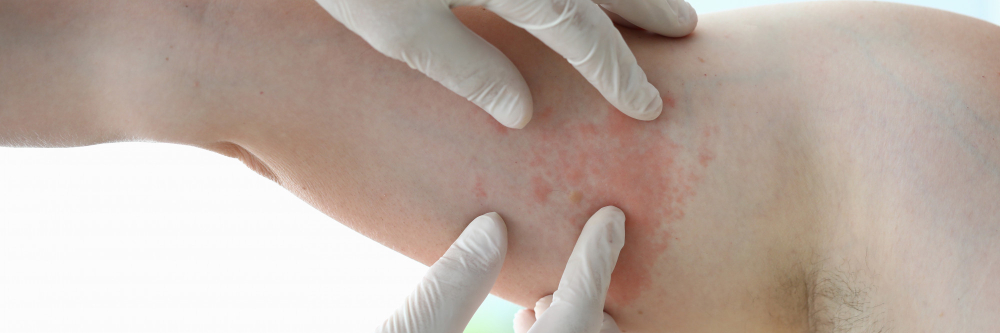
A small red bump on your loved one’s skin can seem harmless at first. For families dealing with community-acquired MRSA, that small bump can quickly turn into a painful infection that spreads to others in the household. This bacterium does not stay confined to hospitals. It travels through gyms, schools, and homes, often through simple skin-to-skin contact or shared items like towels and razors.
Understanding how community-acquired MRSA spreads, and knowing the essential home sanitation and care rules for community-acquired MRSA, gives your family the tools to protect everyone under your roof.
What Is Community-Acquired MRSA and Why It Matters at Home
Community-acquired MRSA, or CA-MRSA, is a staph infection resistant to many standard antibiotics. Unlike hospital-acquired MRSA, it spreads in everyday community settings such as schools, gyms, and homes.
According to the Centers for Disease Control and Prevention, MRSA spreads most easily through direct skin contact or contact with contaminated surfaces. Once inside your home, it can move quickly between family members if precautions are not taken.
This matters because MRSA infections can range from mild skin irritation to serious, deep tissue infections. Recognizing symptoms early and acting fast protects your loved one and everyone else in the household.
Essential Home Sanitation and Care Rules for Community-Acquired MRSA
Following consistent, practical habits at home makes a real difference in stopping MRSA from spreading between family members.
Cleaning and Disinfecting Key Surfaces
- Wipe down high-touch surfaces daily, including doorknobs, countertops, and bathroom fixtures, using an EPA-approved disinfectant.
- Avoid sharing personal items like towels, razors, and washcloths, even among family members.
- Clean shared equipment, such as gym gear or medical supplies, after each use.
Personal Hygiene Habits That Stop the Spread
- Wash hands frequently with soap and water, especially after touching a wound or bandage.
- Keep wounds covered with clean, dry bandages until fully healed.
- Shower after physical activity, particularly if your loved one plays contact sports or spends time in shared gym spaces.
Laundry and Wound Care Guidelines
- Wash clothing, towels, and bedding in hot water with detergent, then dry on the highest heat setting.
- Change bandages regularly and dispose of used dressings in a sealed bag.
- Monitor wounds closely for increased redness, swelling, or drainage, which may signal the infection is worsening.
These habits, practiced consistently, form the backbone of essential home sanitation and care rules for community-acquired MRSA. Small, daily actions add up to meaningful protection for your whole household.
When to See an Infectious Disease Specialist
Some MRSA infections respond well to home care and prescribed antibiotics. Others need closer medical attention. If your loved one’s wound does not improve within a few days, or if you notice fever, spreading redness, or pus, it is time to consult an infectious disease specialist.
An infectious disease specialist can run targeted tests to confirm MRSA and recommend an antibiotic regimen that works against resistant strains. For families in Brooklyn, infectious disease doctors in Brooklyn offer in-home evaluations, making it easier to get answers without added stress or travel.
Working with infectious disease doctors in Brooklyn also means your family receives ongoing monitoring, which matters when infections require follow-up care to fully resolve.
Protecting Your Family Starts Today
Community-acquired MRSA can feel overwhelming, especially when a loved one’s health is involved. You do not have to manage it alone. Our infectious disease specialists are ready to help you arrange an in-home evaluation, so your loved one gets the right care, right away. Reach out today by calling +1-718-367-2555 or visiting us at 1797 Pitkin Avenue, Brooklyn, NY 1121 to schedule a consultation and take the next step toward a healthier, safer home.