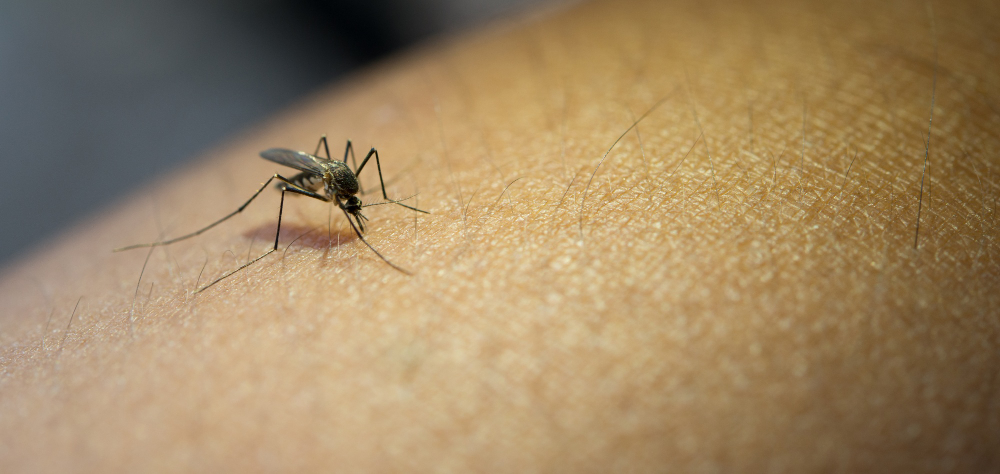
Malaria chemoprophylaxis refers to preventive medications taken before, during, and after travel to malaria-risk regions. Pre-travel medications reduce your chances of infection, but they do not guarantee complete protection. Post-trip fevers should always be evaluated quickly, since malaria symptoms can appear weeks after returning home, and delayed treatment can turn a manageable illness into a medical emergency.
A fever after an international trip can feel unsettling, especially when you are not sure what caused it. For travelers returning from malaria-risk regions, that fever is not something to brush off.
Malaria chemoprophylaxis, the use of pre-travel medications to prevent malaria infection, plays a central role in protecting your health before you even board the plane. But prevention does not end when you land back home. Understanding both sides- the medications you take beforehand and the warning signs that follow- gives you and your loved ones the best chance at staying safe.
Why Pre-Travel Medications Matter
Malaria spreads through the bite of infected mosquitoes, and it remains a serious risk in parts of Africa, Asia, Central America, and South America. Pre-travel medications work by killing or suppressing the parasite before it can multiply in your bloodstream.
Your doctor will typically recommend one of several options depending on your destination, trip length, and health history.
Common Chemoprophylaxis Options
- Atovaquone-proguanil (Malarone): Often preferred for its shorter dosing schedule, started one to two days before travel.
- Doxycycline: An affordable option, but it requires strict sun protection due to increased sensitivity.
- Mefloquine: Taken weekly, though it is not recommended for travelers with certain psychiatric or neurological conditions.
Choosing the right medication depends on where you are headed and your personal medical history. This is a conversation worth having with a travel medicine provider several weeks before departure, not the night before your flight.
Why Post-Trip Fevers Deserve Immediate Attention
Malaria symptoms do not always appear right away. Some strains can stay dormant for weeks or even months, which means a fever that shows up long after your trip can still be linked to it.
Fever is the most common early symptom, often paired with chills, sweating, headache, or muscle aches. These symptoms can mimic the flu, which is part of what makes malaria dangerous. It hides in plain sight.
If you develop a fever within a year of traveling to a malaria-risk area, tell your doctor about your travel history right away. This detail changes how quickly and accurately you can be diagnosed.
When to Consult an Infectious Disease Specialist
Mild symptoms sometimes resolve with prompt antimalarial treatment. But malaria can progress quickly, and some strains cause severe complications if left untreated.
An infectious disease specialist can order the correct blood tests, confirm the specific malaria strain, and start targeted treatment before complications develop. This step matters because not all antimalarial medications work against every strain, and getting it wrong can cost valuable time.
For travelers returning to New York, infectious disease doctors in Brooklyn offer prompt evaluation and testing, often without the delays of a crowded emergency room. Working with infectious disease doctors in Brooklyn also means continued monitoring until your symptoms fully resolve, reassuring you during a stressful time.
Protecting Your Health Starts With the Right Support
Traveling should bring you joy, not lingering worry about your health. Whether you are preparing for an upcoming trip or facing an unexplained fever after returning home, you do not have to navigate it alone.
Reach out to our infectious disease specialists today by calling +1-718-367-2555 or visiting us at 1797 Pitkin Avenue, Brooklyn, NY 1121, to schedule a consultation, and travel with confidence, knowing help is always within reach.