TMJ pain often shows up as jaw clicking, facial soreness, and recurring headaches, and it rarely requires surgery to improve. Most people find relief through at-home habits, physical therapy, or guidance from pain management doctors. Persistent or worsening symptoms deserve a conversation with a provider.
Jaw pain that will not quit can wear on you in ways that are hard to explain to anyone who has not felt it. A dull ache near your ear, a clicking sound every time you chew, headaches that creep in by mid-afternoon- these are the everyday realities of TMJ pain for many people.
You are not imagining the connection between your jaw and your headaches. The temporomandibular joint sits close to nerves and muscles that influence much of the head and neck, so when it is irritated, the discomfort tends to spread.
What Is TMJ Pain and Why Does It Happen?
TMJ pain refers to discomfort in the temporomandibular joint, the hinge connecting your jawbone to your skull. You have one on each side of your face, just in front of your ears, and they work every time you speak, chew, or yawn.
Several things can trigger irritation in this joint. Jaw clenching, teeth grinding, arthritis, and even stress can all place extra strain on the muscles and cartilage involved. For some people, a past injury to the jaw or face sets the stage for ongoing sensitivity.
Symptoms: Jaw Clicking, Headaches, and More
Symptoms of TMJ pain vary from person to person, and they can come and go without warning. Recognizing the pattern is often the first step toward finding relief.
Key Symptoms
- Jaw clicking or popping: A clicking or grinding sound when you open or close your mouth, sometimes paired with a feeling of the jaw catching.
- Headaches: Dull, persistent headaches that often start near the temples or behind the eyes.
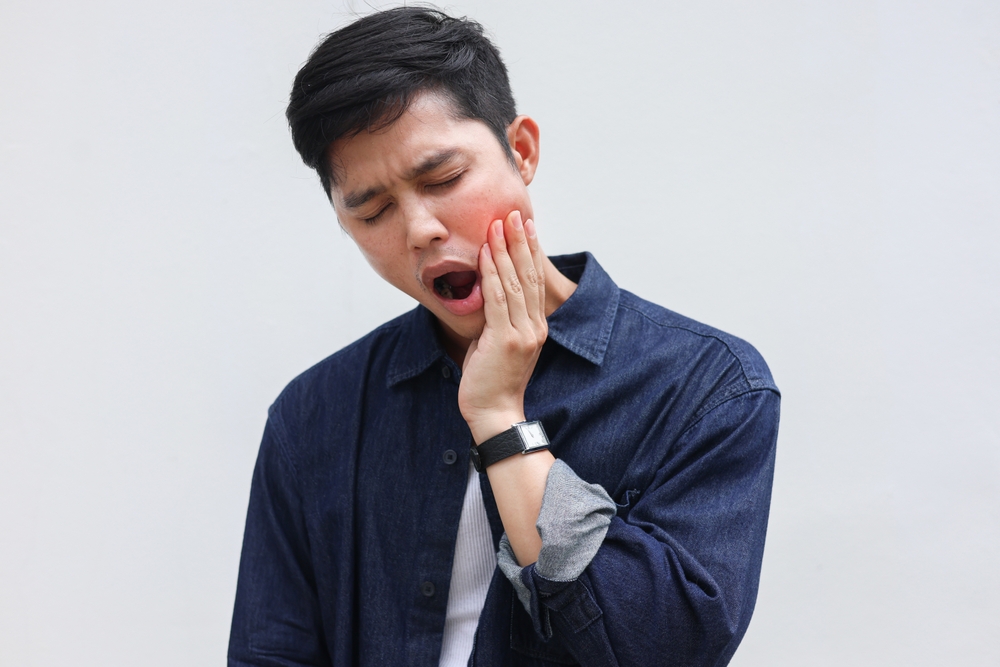
- Facial soreness: Aching around the jaw, cheeks, or ears that may worsen with chewing.
- Limited jaw movement: Difficulty opening your mouth fully or a sense that the jaw is locking in place.
- Neck and shoulder tension: Tightness that radiates outward from the jaw into the surrounding muscles.
Non-Surgical Treatment Options for TMJ Pain
Surgery is rarely the first step for TMJ pain, and for most patients, it is never needed at all. A combination of simple habits and professional therapies tends to make the biggest difference.
At-Home and First-Line Remedies
Small changes to your daily routine can ease a surprising amount of discomfort. Applying a warm or cold compress to the jaw, sticking to softer foods, and practicing gentle jaw stretches all help reduce strain on the joint. Cutting back on gum chewing and being mindful of clenching, especially during stressful moments, gives the muscles a chance to rest and recover.
Professional Non-Surgical Therapies
When at-home care is not enough, non-surgical treatment through a provider can offer deeper relief. Physical therapy builds strength and flexibility around the jaw, while a custom-fitted night guard can prevent grinding during sleep. Doctors may also recommend targeted medication or trigger-point injections to calm inflamed muscles and reduce flare-ups.
When to See a Doctor
Occasional jaw clicking without pain is common and usually nothing to worry about. But when discomfort lingers for weeks, interferes with eating or speaking, or comes with frequent headaches, it is time to bring in a specialist.
Finding Lasting Relief from TMJ Pain
TMJ pain can feel like it touches every part of your day, from the first bite of breakfast to the headache that settles in by evening. The good news is that relief is almost always within reach, and it rarely requires anything more invasive than a thoughtful, personalized plan.
If your current pain plan is not giving you the relief you need, our Pain Management team is ready to build a personalized approach with you. Reach out today by calling +1-718-367-2555 or visiting us at 1797 Pitkin Avenue, Brooklyn, NY 11212 to start finding steadier, more dependable comfort.