Postherpetic neuralgia is nerve pain that lingers after a shingles rash has healed, affecting roughly 10% to 18% of people who get shingles. Treatment options include topical medications, nerve-targeting prescriptions, and advanced therapies for cases that do not respond to first-line care. The Shingrix vaccine remains the most effective way to prevent it.
Shingles can feel like it has already taken enough from you: the burning rash, the sleepless nights, the weeks of recovery. So when the rash fades, and the pain doesn’t, it is natural to feel frustrated, even frightened. That lingering pain has a name: postherpetic neuralgia, or PHN. It is the most common complication of shingles and can affect anyone whose body reactivates the virus, though older adults face a higher risk.
What Is Postherpetic Neuralgia?
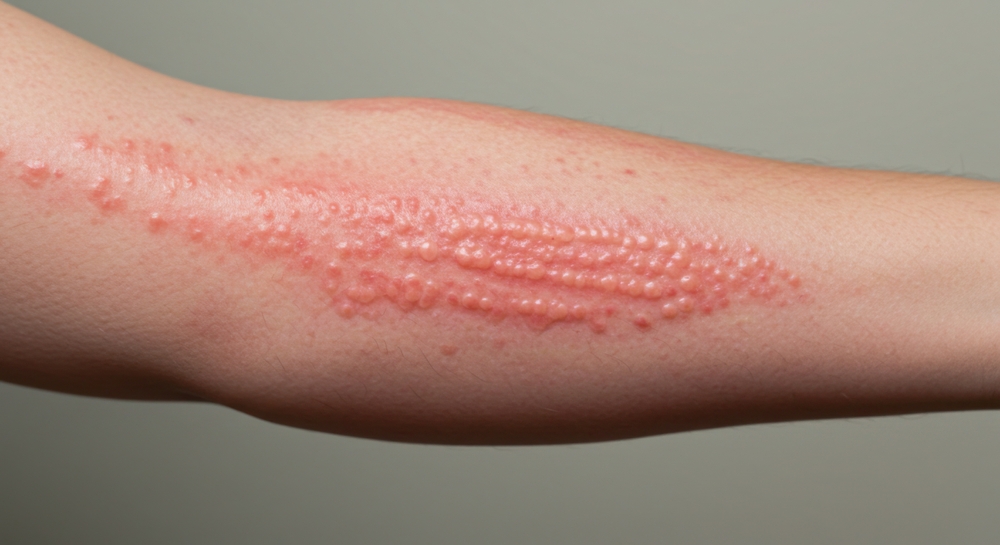
Postherpetic neuralgia develops when the varicella-zoster virus, the same virus responsible for shingles, damages nerve fibers in the skin. That damage sends confused, exaggerated pain signals to the brain, even after the rash itself has healed. PHN is generally defined as nerve pain that continues for three months or longer after the shingles rash first appears, and it becomes more common with age.
Symptoms of Nerve Pain After Shingles
The pain of postherpetic neuralgia often appears in the exact area where the shingles rash once was. It can be unpredictable, which makes it feel especially unsettling.
Key Symptoms
- Burning or shooting pain: Many people describe a deep, burning sensation or sudden, sharp jabs of pain in the affected area.
- Sensitivity to touch: Known as allodynia, this means even light contact, like clothing brushing the skin, can trigger significant discomfort.
- Itching or numbness: Some people experience a persistent itch or a loss of feeling alongside the pain.
- Disrupted sleep and mood: Ongoing pain can interfere with rest, daily activities, and emotional well-being.
Treatment Options for Postherpetic Neuralgia
Relief is possible, though it often takes some trial and adjustment to find what works best for your body.
Medications
Doctors commonly start with topical lidocaine patches or creams to calm pain at the source. Capsaicin cream, or a high-concentration 8% capsaicin patch, may also help by reducing the skin’s pain signals over time. For nerve-specific pain, anticonvulsant medications like gabapentin or pregabalin are frequently prescribed, along with tricyclic antidepressants such as nortriptyline or amitriptyline. Opioids are generally reserved for select cases and used only under close medical supervision.
Advanced and Supportive Therapies
When first-line treatments are not enough, nerve blocks and other interventional procedures can offer additional relief. Transcutaneous electrical nerve stimulation (TENS) and, in more persistent cases, neuromodulation such as spinal cord stimulation may be considered. Physical activity, better sleep habits, and counseling support also play a meaningful role in managing the full impact of chronic pain, not just the physical symptoms.
Prevention: Can You Avoid PHN After Shingles?
The most effective way to prevent postherpetic neuralgia is to prevent shingles itself. The Shingrix vaccine for adults 50 and older, as well as adults 19 and older with weakened immune systems. Given in two doses spaced two to six months apart, Shingrix is more than 90% effective at preventing shingles and its complications, including PHN. If you already have a shingles rash, starting antiviral medication within 72 hours of onset may reduce the severity and duration of the outbreak and lower your risk of developing lingering nerve pain. Seeing a clinician promptly when a rash appears gives you the best chance at a smoother recovery.
You Deserve Relief, Not Just Management
Living with nerve pain after shingles can feel isolating, especially when it lingers long after everyone around you assumes you should be “better.” You do not have to navigate this alone, and you should not have to settle for pain that limits your days.
If your current pain plan is not giving you the relief you need, our Pain Management team is ready to build a personalized approach with you. Reach out today by calling +1-718-367-2555 or visiting us at 1797 Pitkin Avenue, Brooklyn, NY 11212 to start finding steadier, more dependable comfort.