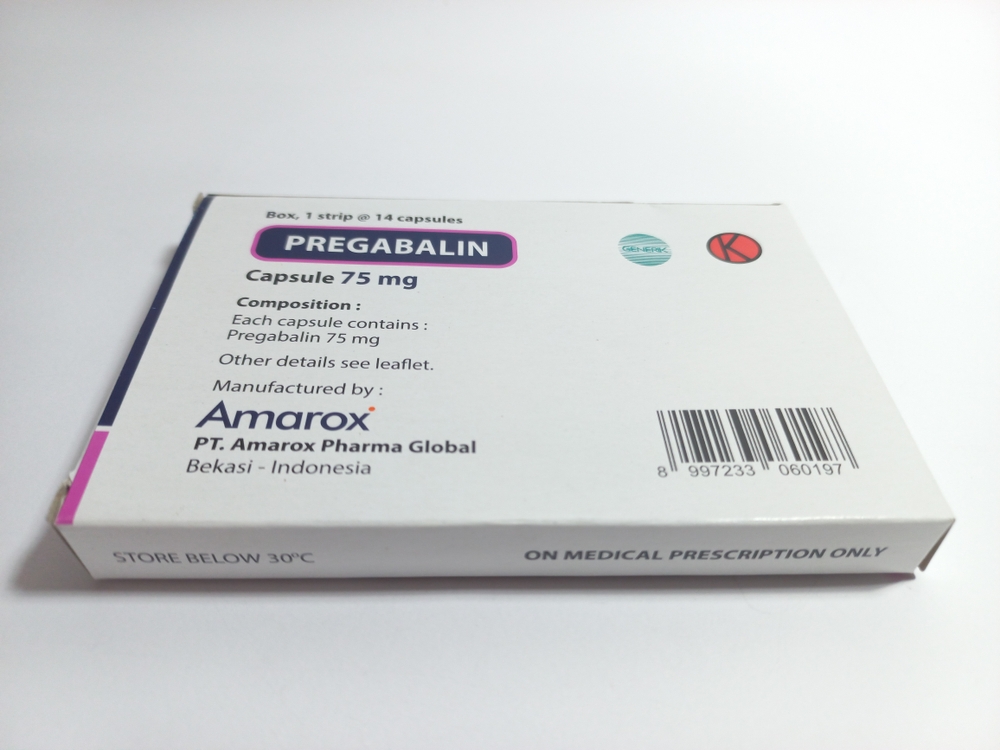
Gabapentin and pregabalin are prescription medications commonly used to calm overactive nerve signals that cause burning, tingling, or shooting pain. Both can ease nerve pain effectively, but they carry side effects and safety considerations, including an FDA warning about breathing problems that patients should understand before starting treatment.
Living with nerve pain can feel isolating. The burning, tingling, or stabbing sensations often come without warning, and they rarely respond to standard over-the-counter pain relievers. If you or someone you love has been prescribed gabapentin or pregabalin, you are likely looking for clear answers about what these medications do, what to expect, and how to use them safely.
How Do Gabapentin and Pregabalin Work for Nerve Pain?
Nerve pain, also called neuropathic pain, happens when damaged or overactive nerves send pain signals even without an obvious injury. Gabapentin and pregabalin work by calming this overactive nerve activity. Rather than blocking pain the way an anti-inflammatory would, these medications target the nervous system directly, reducing the abnormal signals that cause ongoing discomfort.
Because they act on nerve pathways instead of inflammation, gabapentin and pregabalin are often recommended for conditions like diabetic neuropathy, shingles-related nerve pain, and nerve pain following surgery or injury.
What Benefits Can You Expect From Gabapentin and Pregabalin?
For many patients, these medications bring meaningful relief where other treatments have fallen short. You may notice:
- Reduced burning or tingling sensations. Many patients describe a noticeable calming of the sharp, electric-like pain that defines nerve damage.
- Improved sleep. Nerve pain often worsens at night, and easing those symptoms can help you rest more fully.
- Fewer pain flare-ups. Consistent use can help stabilize nerve activity over time rather than only addressing pain in the moment.
- A non-opioid option. For patients looking to manage pain without opioid medications, gabapentin and pregabalin offer an alternative path.
What Side Effects Should You Know Before You Start?
Like any medication, gabapentin and pregabalin come with side effects. Knowing what to expect ahead of time helps you feel prepared rather than caught off guard.
What Are the Common Side Effects?
Most patients tolerate these medications well, though some experience:
- Drowsiness or dizziness, especially during the first few weeks.
- Swelling in the hands or feet.
- Fatigue or difficulty concentrating.
- Dry mouth or mild weight changes.
These effects often lessen as your body adjusts, but you should never feel like you are managing them alone. Your care team can adjust your dosage or timing to minimize discomfort.
How Can You Use Gabapentin and Pregabalin Safely?
Safe use comes down to a few consistent habits:
- Take your medication exactly as prescribed, and never adjust your dose without talking to your doctor first.
- Avoid combining these medications with alcohol or opioids unless specifically directed by your physician.
- Tell your doctor about any history of breathing problems, kidney issues, or other medications you take.
- Never stop taking gabapentin or pregabalin abruptly, as this can trigger withdrawal symptoms or seizures. Your doctor will help you taper off safely if a change in treatment is needed.
Keeping a symptom tracking log between appointments can also help your doctor fine-tune your dosage and catch side effects early.
When Should You Seek Pain Management Support?
If your nerve pain continues despite medication, or if side effects are affecting your daily life, it may be time for a more comprehensive evaluation. A pain management specialist can look at your full health picture, including other medications, underlying conditions, and lifestyle factors, to build a plan tailored to you rather than a generic prescription.
Taking the Next Step Toward Relief
Nerve pain does not have to control your daily life, and you should not have to navigate medication decisions without support. Understanding how gabapentin and pregabalin work, along with their benefits and risks, puts you in a stronger position to make informed choices alongside your care team.
If you have experienced numbness alongside your migraines, our Pain Management team is ready to help you understand what is happening and guide you toward the right next step. Reach out today by calling +1-718-367-2555 or visiting us at 1797 Pitkin Avenue, Brooklyn, NY 11212 to talk through your symptoms and start building a plan for lasting relief.