Tight winter clothing, snug waistbands, compression leggings worn too long, or tall boots zipped too tight can constrict blood flow in your legs. For someone already living with venous insufficiency, this added pressure can trap blood in the lower legs, worsening swelling, aching, and heaviness. Choosing looser layers and elevating your legs at the end of the day can ease these symptoms.
You bundle up to stay warm, and that instinct makes sense. But if your legs feel heavier, more swollen, or more painful by the end of a cold day, your winter wardrobe may be part of the problem. Tight winter clothing can constrict blood flow in ways that feel minor in the moment but add real strain for people managing venous insufficiency.
How Tight Winter Clothing Can Constrict Blood Flow
Your veins rely on one-way valves and muscle contractions to move blood back up toward your heart. Anything that presses against this system from the outside, including tight clothing over veins your care team may already be monitoring, can interfere with how well that process works.
Tight Waistbands and Abdominal Pressure
A snug waistband, especially one hidden under a thick sweater or winter coat, can press against the veins in your abdomen and groin. This pressure makes it harder for blood to travel upward from your legs, and over the course of a day, that resistance can leave your lower body feeling swollen and tired.
Compression at the Thighs and Calves
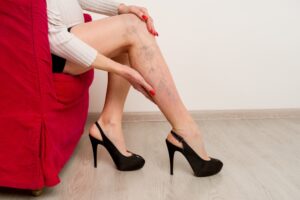
Tall boots, tight leggings, and thigh-high socks are winter staples, but when they fit too snugly, they can constrict blood flow at exactly the points where your leg muscles need room to do their job. Your calf muscles act as a natural pump for returning blood to your heart. When that pump is squeezed from the outside, blood can pool instead of moving freely.
The Link Between Tight Winter Clothing and Venous Insufficiency
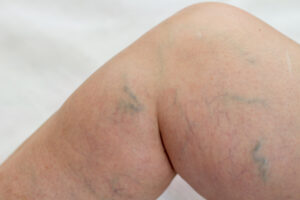
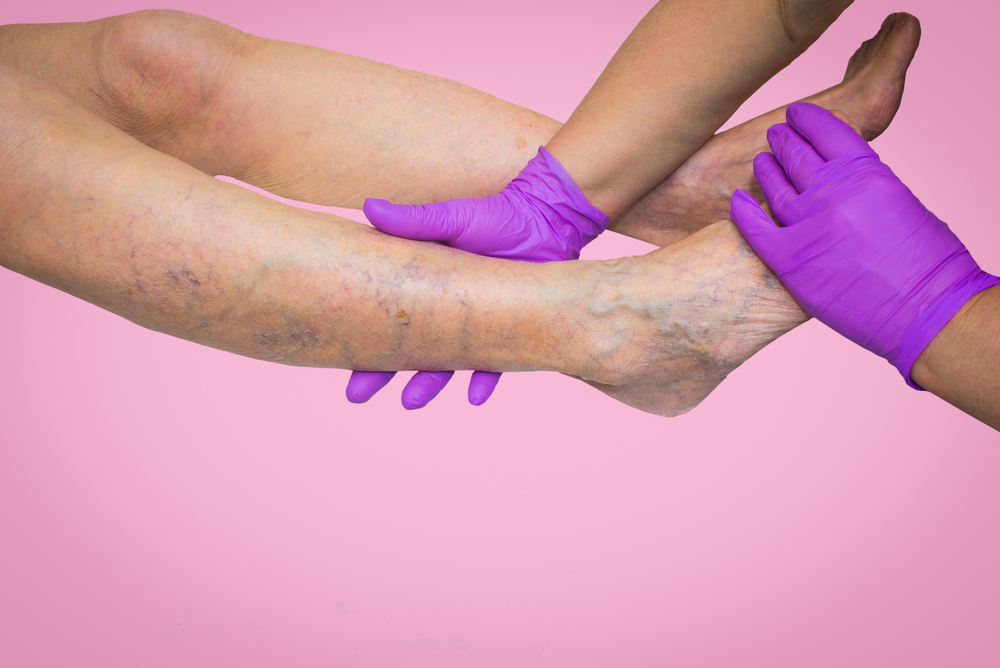
If you already live with venous insufficiency, your veins are working harder than most to begin with. Weakened valves allow blood to flow backward and collect in your lower legs, which is why you may notice aching, swelling, or visible veins even on an ordinary day.
How Restricted Blood Flow Worsens Venous Insufficiency Symptoms
Tight winter clothing adds another obstacle on top of valves that are already struggling. When external pressure slows circulation further, blood has even more opportunity to pool in your legs. You may notice your symptoms intensify in winter: more throbbing by evening, more visible swelling around your ankles, or a heavier, tighter feeling in your calves after a day spent in snug layers. This is not something you have to accept as inevitable. Small adjustments to what you wear can make a real difference.
Clothing Choices That Support Vein Health
You do not have to choose between warmth and comfort. A few thoughtful swaps can protect your circulation without leaving you cold:
- Choose looser waistbands. Look for pants and leggings with soft, wide elastic rather than tight, narrow bands that dig in.
- Wear properly fitted compression stockings. Unlike regular tight clothing, medical-grade compression stockings are designed to support healthy circulation rather than restrict it.
- Avoid boots that squeeze your calves. Opt for styles with some give, or pair snug boots with thinner socks underneath.
- Layer loosely. Add warmth with multiple loose layers instead of one tight, restrictive piece.
- Elevate your legs in the evening. This simple habit helps counteract a day of pressure and supports healthy blood return.
Protecting Your Legs This Winter
You deserve to feel warm and comfortable without worrying about what your clothing might be doing to your circulation. Recognizing how tight winter clothing can constrict blood flow and worsen venous insufficiency is an important first step, but you do not have to manage this alone.
Our Vascular team provides personalized evaluations to ensure your treatment plan fits your health needs. Reach out today by calling +1-718-367-2555 or visiting us at 1797 Pitkin Avenue, Brooklyn, NY 1121 to schedule a consultation.