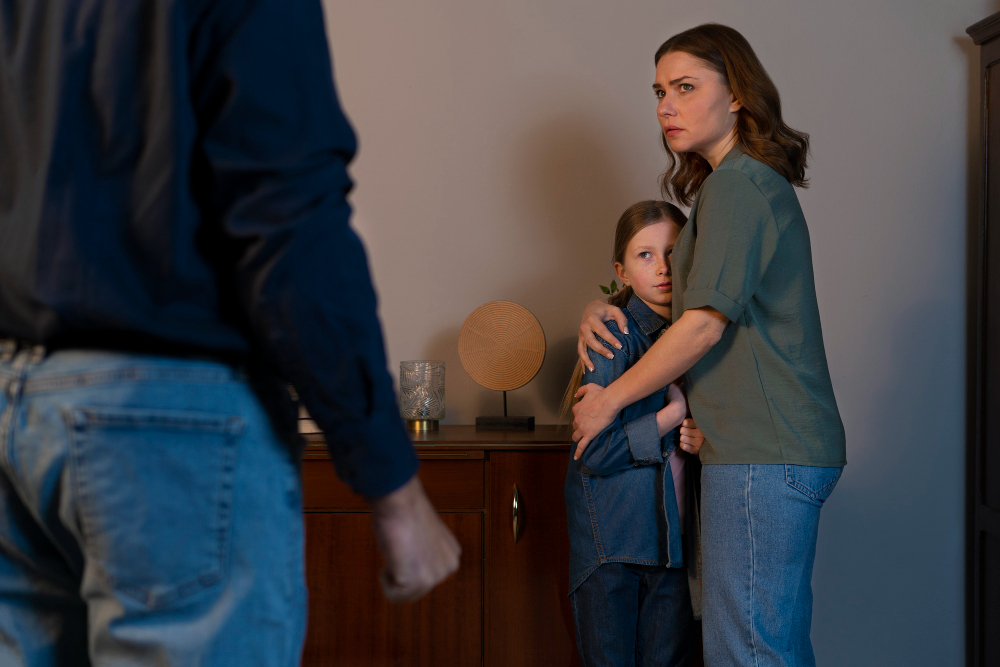
Leaving an unsafe relationship is one of the most difficult decisions a person can face. Creating a safe exit plan from domestic violence gives you a clear path forward when fear makes everything else feel uncertain. This guide walks through how to protect yourself and children from domestic violence, what to pack before you go, and where to find trusted support.
During National Domestic Violence Awareness Month, organizations across the country renew their focus on women’s safety and family protection. But abuse does not follow a calendar. If you or someone you love is in danger, the steps below can help you prepare, no matter when you need them.
How Chronic Stress Affects the Body
Living in an unsafe relationship keeps the body on constant alert. This ongoing stress raises cortisol levels, which can lead to high blood pressure, weakened immunity, and sleep disruption over time. Recognizing these physical effects matters just as much as recognizing emotional ones. Your body remembers danger even after you have found safety, and that is a normal response to trauma, not a weakness.
Key Steps for Creating a Safe Exit Plan
A safe exit plan from domestic violence should be specific, private, and realistic for your situation. Consider these steps:
- Identify a safe place. This might be a trusted friend’s home, a family member’s house, or a local shelter.
- Set aside money. Even small amounts saved over time can support your first few days away.
- Memorize key contacts. Keep emergency numbers memorized in case you cannot access your phone.
- Keep documents accessible. Store copies of IDs, financial records, and legal paperwork somewhere your partner cannot find them.
- Choose a safe time. Plan to leave when your partner is away, and avoid announcing your plans in advance.
Protecting Children From Domestic Violence
Protecting yourself and children from domestic violence requires planning that accounts for their needs too. Talk to your children, in age-appropriate language, about what to do if they feel unsafe. Teach them a code word that signals when it is time to leave immediately. If possible, involve a school counselor or trusted adult who can watch for warning signs when you are not present.
What to Include in a Safety Packing List
Having a bag ready in advance can make a fast exit possible. Include:
- Identification documents for you and your children
- Cash, cards, and spare keys
- Medications and medical records
- A change of clothes for each family member
- Comfort items for children, such as a toy or blanket
Resources and Hotline Information
You do not have to figure this out alone. The National Domestic Violence Hotline (1-800-799-7233) offers confidential support around the clock. Local shelters and advocacy organizations can also help you build a plan tailored to your circumstances.
Reach Out to Our Patient Support
Recovering from domestic violence takes time, and support should not end once you are safe. Our care team connects survivors and families with compassionate, in-home care designed around each person’s pace and story. Reach out today by calling +1-718-367-2555 or visiting us at 1797 Pitkin Avenue, Brooklyn, NY 1121 to learn how personalized support can help you and your loved ones heal.