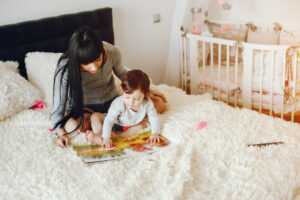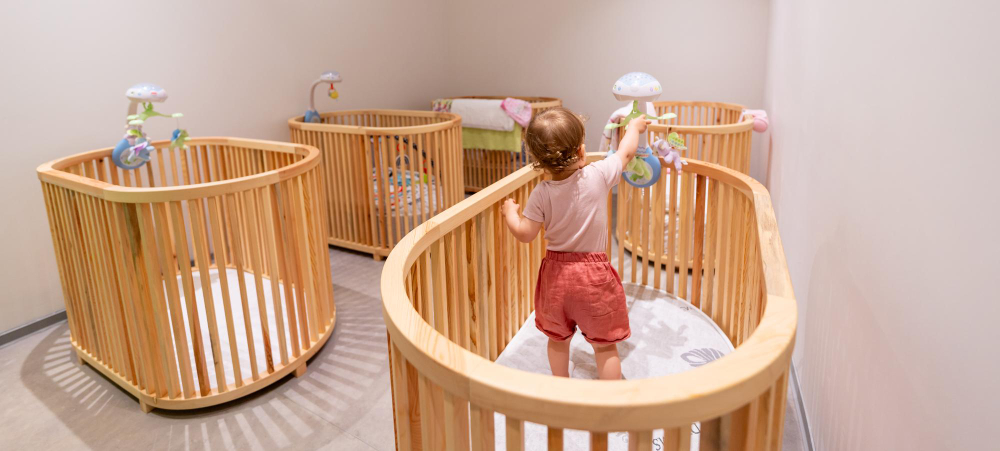
Evaluating crib safety starts with understanding why bumpers and soft bedding pose hidden risks. Pillows, blankets, and padded crib bumpers can restrict airflow or trap a baby in an unsafe position, increasing the risk of suffocation. The safest crib holds only a fitted sheet and your baby. Removing soft bedding is one of the simplest ways to protect your child during sleep.
Few things feel more vulnerable than placing your baby down for a nap and walking away. You want that crib to feel cozy, safe, and inviting. But many of the products marketed as comforting, like padded bumpers and soft blankets, can actually put your baby at risk.
Evaluating crib safety means looking past what looks soft and soothing to what is proven safe. This guide walks you through the hidden dangers of crib bedding and what a truly safe sleep space looks like for your baby.
Why Bumpers and Soft Bedding Pose Hidden Risks in the Crib
Crib bumpers, pillows, and thick blankets are often designed to look comforting. In reality, they can interfere with your baby’s ability to breathe freely during sleep.
What the Research and Guidelines Say
Pediatric health organizations have long warned against loose or soft items in the crib. Guidance consistently points to the same conclusion: the fewer items in the crib, the safer the sleep space. Bumpers, in particular, offer no proven safety benefit and instead introduce the risk of suffocation or entrapment.
The Connection to Sudden Infant Death Syndrome
Soft bedding is closely tied to the risk of Sudden Infant Death Syndrome. During Sudden Infant Death Syndrome Awareness Month, healthcare providers renew their focus on this exact issue, encouraging caregivers to strip the crib down to the basics. A firm mattress and a fitted sheet remain the gold standard. Everything else, no matter how soft or decorative, can increase risk.
Evaluating Crib Safety: What a Safe Sleep Environment Looks Like
A safe crib is simple by design. Knowing exactly what belongs and what does not makes evaluating crib safety far less overwhelming.
What to Remove From the Crib
- Bumpers: Even mesh or “breathable” versions carry risk and are not recommended.
- Pillows and blankets: These can cover your baby’s face or restrict movement.
- Stuffed animals and loose toys: Comforting for you to look at, but unnecessary and unsafe during sleep.
What to Keep in the Crib
- A firm, flat mattress: This supports safe positioning throughout the night.
- A fitted sheet: The only bedding your baby needs.
- Your baby, placed on their back: The safest sleep position recommended by pediatric guidelines.
Infant’s Safety Awareness: Tips for Caregivers
Building strong infant safety awareness is an ongoing habit, not a one-time checklist. Talk with every caregiver, grandparent, and babysitter about the crib’s contents before they put your baby down. Keep the nursery cool rather than relying on blankets for warmth, and dress your baby in a sleep sack instead. Small, consistent choices add up to meaningfully safer sleep.
Your Baby’s Safety Starts With a Simple Crib
You do not need elaborate bedding to create a nursery that feels warm and loving. A safe crib, free of bumpers and soft bedding, protects your baby while still giving you peace of mind. If you have questions about safe sleep practices or need additional guidance, reach out to our care team today by calling +1-718-367-2555 or visiting us at 1797 Pitkin Avenue, Brooklyn, NY 1121 to schedule an evaluation. Support is always within reach.