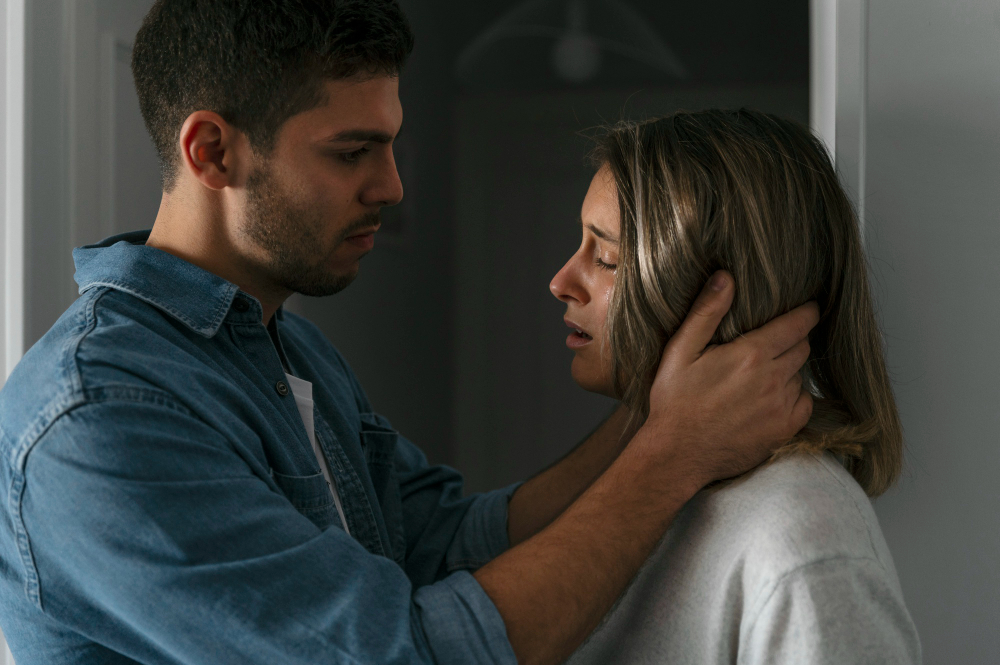
Domestic violence leaves marks that are not always visible. Beyond the risk of injury, survivors often carry the physical toll of intimate partner violence for years, long after they have left an unsafe situation. Chronic stress and pain from domestic violence can affect the heart, the nervous system, and overall health in ways many people do not expect.
This matters now more than ever. During National Domestic Violence Awareness Month, families and caregivers are reminded to look beyond the obvious signs. Supporting women’s safety means understanding how trauma settles into the body, not just the mind. If you are caring for a loved one who has experienced abuse, recognizing these physical effects is the first step toward real healing.
How Chronic Stress Affects the Body
When a person lives in an unsafe relationship, their body stays on high alert. This constant state of stress triggers the release of hormones like cortisol and adrenaline. Over time, this takes a measurable toll.
Common Physical Effects
- Heart problems. Prolonged stress raises the risk of high blood pressure and heart disease.
- Weakened immune system. Survivors may get sick more often or heal more slowly from injuries.
- Digestive issues. Stress can lead to chronic stomach pain, nausea, or irritable bowel symptoms.
- Sleep disruption. Many survivors struggle with insomnia or restless sleep for years afterward.
You are not imagining it if your loved one seems exhausted or unwell even after leaving a dangerous situation. Their body is still recovering from sustained stress.
Why Pain Often Lingers After the Danger Ends
The pain of domestic violence does not always end when the relationship does. Survivors frequently report chronic pain conditions, including headaches, back pain, and joint pain, that have no clear physical cause.
This happens because trauma can change how the nervous system processes pain signals. The body may continue reacting as though it is still under threat, even in a safe environment. Understanding this connection matters, especially during National Domestic Violence Awareness Month, when conversations about recovery often focus only on emotional healing.
Signs a Loved One May Be Experiencing This
- Frequent complaints of unexplained pain
- Fatigue that does not improve with rest
- Difficulty concentrating or remembering things
- Heightened startle response or anxiety around certain triggers
If you notice these signs, know that they are real and treatable. Your loved one is not being dramatic or difficult. Their body is telling a story that deserves to be heard.
Supporting Recovery Through Compassionate Care
Healing from the physical toll of intimate partner violence takes time, patience, and the right support system. Survivors benefit most when medical care addresses both the body and the emotional weight they carry.
Women’s safety extends beyond the moment someone leaves an abusive relationship. It includes the months and years of recovery that follow. Families can help by encouraging regular medical checkups, supporting consistent sleep and nutrition, and connecting their loved one with trauma-informed healthcare providers who understand this connection between stress and chronic pain.
You do not have to navigate this alone, and neither does your loved one. Compassionate, informed care can make a measurable difference in how someone heals, both physically and emotionally.
Reach Out to Our Patient Support
If someone you love is recovering from the physical and emotional effects of domestic violence, trained support is available. Our care team offers in-home medical visits designed around each survivor’s needs, with care that respects their pace and their story. Reach out today by calling +1-718-367-2555 or visiting us at 1797 Pitkin Avenue, Brooklyn, NY 1121 to learn how personalized, compassionate home healthcare can support your loved one’s recovery.