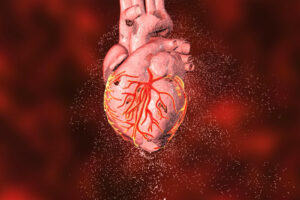
Spontaneous coronary artery dissection is a serious and often unexpected cause of heart attack. It helps explain why heart attacks in healthy young women can happen even without the usual risk factors like high cholesterol or long-term smoking. In this condition, a tear forms within the wall of a coronary artery, reducing blood flow to the heart muscle. Because many patients appear otherwise healthy, diagnosis can be delayed or missed. That is one reason awareness matters so much. If chest pain, shortness of breath, or sudden fatigue appear, a cardiologist should take those symptoms seriously and consider causes beyond classic plaque-related heart disease.
What Is Spontaneous Coronary Artery Dissection?
Spontaneous coronary artery dissection, often called SCAD, happens when the layers of a coronary artery separate. This can create a blockage that limits oxygen-rich blood from reaching the heart. Unlike a typical heart attack, SCAD is not usually caused by plaque buildup.
This is why SCAD stands apart from standard coronary artery disease. It is a different problem and often needs a different treatment approach.
Why It Can Cause Heart Attacks in Healthy Young Women
SCAD affects women disproportionately, especially women in midlife, and many do not have traditional cardiovascular risk factors. That is why the phrase heart attacks in healthy young women is so important in patient education. Someone can look fit, active, and low risk, yet still experience a dangerous cardiac event.
In many cases, patients are told they are too young or too healthy for a heart attack. Unfortunately, that assumption can delay evaluation and treatment.
Common Symptoms to Watch For
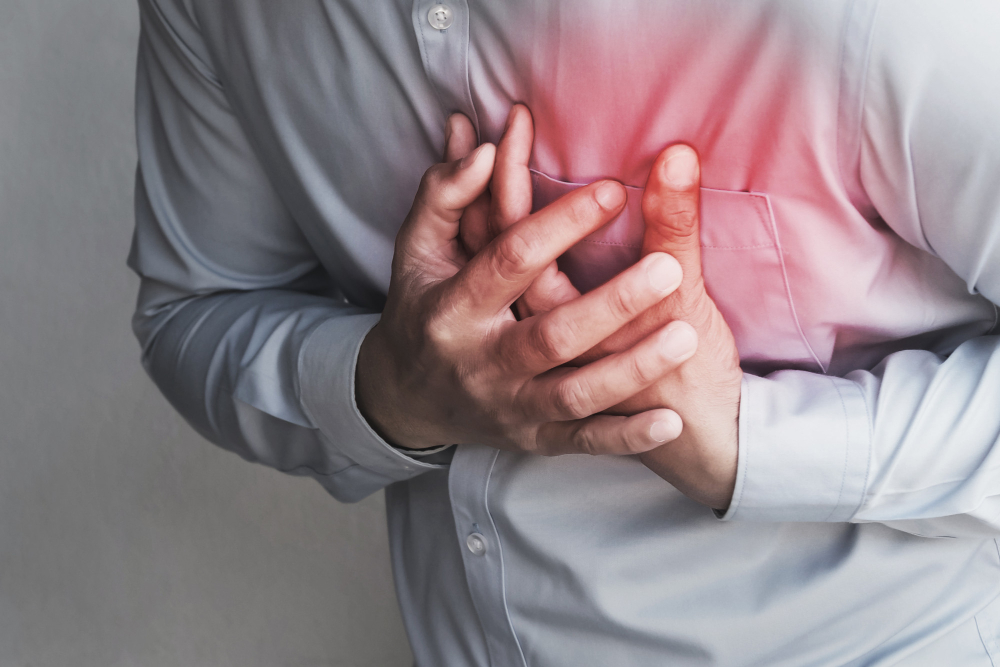
The symptoms of SCAD can look like any other heart attack. They should never be ignored.
Signs That Need Urgent Attention
Watch for symptoms such as:
- Chest pain or pressure
- Shortness of breath
- Sweating
- Dizziness
- Nausea
- Pain in the jaw, shoulders, or back
- A racing or fluttering heartbeat
- Unusual or extreme fatigue
If these symptoms appear suddenly, emergency care is essential. After stabilization, a cardiologist can help determine whether SCAD is the cause.
Risk Factors and Possible Triggers
Researchers are still learning why SCAD happens, but several associations have been identified.
Factors Linked to SCAD
These may include:
- Female sex
- Recent childbirth or the postpartum period
- Fibromuscular dysplasia
- Hormone exposure
- Connective tissue disorders
- Severe high blood pressure
- Blood vessel inflammation
- Intense physical or emotional stress
Not every patient has a clear trigger. Still, these patterns help a cardiologist know when to suspect SCAD.
How SCAD Is Diagnosed
Diagnosis can be tricky because SCAD may be underrecognized on angiography, especially in subtle cases. Some forms can resemble normal tapering or look like more familiar plaque-related disease.
What a Cardiologist Looks For
A cardiologist may use:
Test | Purpose |
ECG | Checks for signs of a heart attack |
Blood tests | Detects heart muscle injury |
Looks for artery abnormalities | |
Additional vascular imaging | May help in select cases |
Because management differs from routine coronary disease, accurate diagnosis is critical.
Treatment and Recovery
Treatment depends on the patient’s condition and the severity of the artery injury. Many patients with SCAD do not need stenting or surgery. In fact, conservative treatment is often preferred when the patient is stable because the artery may heal on its own.
Recovery Needs a Broader Plan
Recovery may include:
- Close follow-up with a cardiologist
- Medication such as aspirin or beta-blockers when appropriate
- Cardiac rehabilitation
- Imaging or screening for related vascular conditions
- Mental health support for anxiety or trauma after the event
This matters because SCAD is not only a physical event. It can also create major emotional stress during recovery.
For patients seeking ongoing care, a cardiology clinic in Brooklyn may help coordinate follow-up, rehabilitation, and long-term monitoring. A good cardiology clinic in Brooklyn should also understand that SCAD patients may need more personalized support than typical heart attack patients.
When to Seek Expert Heart Care
If you have unexplained chest pain, especially if you are young and otherwise healthy, do not assume it is harmless. Ask for a full cardiac evaluation. A cardiologist familiar with SCAD can recognize warning signs that others may overlook. If you are looking for specialized follow-up, a cardiology clinic in Brooklyn can help connect symptoms, imaging, and recovery planning in one place.
Conclusion
Spontaneous coronary artery dissection is a critical reason behind heart attacks in healthy young women. It does not follow the usual script of heart disease, which is why fast recognition is so important. The earlier patients are evaluated, the better the chance of proper treatment and recovery. If symptoms suggest a heart emergency, seek care right away and follow up with our Cardiology team for a complete assessment. Reach out to us today by calling +1-718-367-2555 or visiting us at 1797 Pitkin Avenue, Brooklyn, NY 1121 to schedule a consultation.