Eating should not feel like a gamble. If you live with gastroparesis, even a modest dinner can leave you doubled over with nausea, bloating, or that uncomfortable feeling of fullness that lingers for hours. This happens because your stomach empties food more slowly than it should, and it is not something willpower or better habits alone can fix.
Gastroparesis meal planning offers a way forward. By focusing on small, low-fiber portions, you can reduce the strain on your digestive system and start enjoying meals again without fear of what comes after. Understanding how small low-fiber portions prevent nausea is the first step toward building a routine that actually works for your body.
What Is Gastroparesis and Why Does It Make Eating So Hard?
Gastroparesis is a condition where the stomach muscles move food too slowly into the small intestine. Your nerves and muscles are not communicating the way they should, so food sits longer than it needs to. The result is nausea, vomiting, bloating, and a feeling of fullness after just a few bites.
This is frustrating and exhausting. You may find yourself avoiding meals altogether or sticking to the same few “safe” foods out of fear. A thoughtful meal plan can change that.
How Small Low-Fiber Portions Prevent Nausea
Fiber is wonderful for most people, but for someone with gastroparesis, it can be a problem. High-fiber foods take longer to break down, which means they sit in an already slow-moving stomach for even longer. This extended digestion time often triggers nausea, cramping, and discomfort.
Smaller portions help too. A full plate asks a lot of a stomach that is already struggling to keep pace. Eating less at each sitting gives your digestive system less to manage at once, which can ease symptoms significantly.
Here is why this combination works so well:
- Reduced digestion time: Low-fiber foods break down faster, so they do not linger in your stomach as long.
- Lower symptom burden: Smaller meals mean less volume for your stomach to process, which can prevent that overwhelming full feeling.
- More frequent fueling: Eating five or six small meals instead of three large ones keeps your body nourished without overloading your digestive system at any one time.
Building a Gastroparesis Meal Plan That Works for You
You do not have to figure this out alone, and you should not have to guess your way through trial and error.
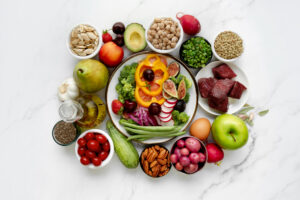
Foods to Favor
- Well-cooked vegetables: Carrots, squash, and peeled potatoes are easier to digest than raw, fibrous produce.
- Lean proteins: Eggs, fish, and ground poultry are gentle on the stomach.
- Refined grains: White rice, white bread, and plain pasta digest more easily than whole grain versions.
- Low-fiber fruits: Ripe bananas and peeled, cooked fruits are generally better tolerated than raw, skin-on options.
Foods to Limit
- Raw vegetables and leafy greens, which take longer to break down.
- Whole grains and bran, which are high in fiber and harder to digest.
- Fatty or fried foods, which can slow digestion even further.
Why Working With a Nutritionist Makes a Difference
Every case of gastroparesis looks a little different, and what works for one person may not work for you. A nutritionist can help you build a plan around your specific symptoms, lifestyle, and nutritional needs, rather than relying on generic advice that may not fit your situation.
A nutritionist also helps you avoid the trap of cutting out too much too quickly. It is easy to become overly restrictive out of fear, but that can leave you missing important nutrients. If you are in the area, a nutritional consultant in Brooklyn can meet with you in person to review your meals, adjust portions, and troubleshoot flare-ups as they happen. Many people find that having a nutritional consultant in Brooklyn nearby brings a level of reassurance that a one-size-fits-all guide simply cannot offer.
You Do Not Have to Navigate This Alone
Living with gastroparesis is hard enough without having to guess what to eat every day. With the right gastroparesis meal planning approach, built around small, low-fiber portions, you can reduce nausea and start feeling more in control of your meals again. If you are ready for guided support, reach out to our Nutrition team today by calling +1-718-367-2555 or visiting us at 1797 Pitkin Avenue, Brooklyn, NY 1121 to schedule a consultation. We are here to help you build a plan that fits your life, one meal at a time.