A gout flare can turn an ordinary evening into hours of throbbing pain, and most patients hear the same advice afterward: cut the red meat. That advice is not wrong, but it only tells part of the story. Lowering uric acid beyond just cutting red meat requires a broader look at daily habits, hidden food triggers, and the overall pattern of what lands on your plate.
Anti-inflammatory gout diets focus on more than restriction. They build a sustainable way of eating that supports joint health while still feeling satisfying. If you are caring for a loved one with gout, or managing your own flare-ups, this guide walks through the dietary factors that matter most and how a nutritionist can help you put them into practice at home.
What Causes High Uric Acid Beyond Red Meat?
Uric acid builds up when the body breaks down purines, natural compounds found in many foods, not just red meat. Organ meats and certain seafood, like sardines and anchovies, carry high purine loads too. But purines are only one piece of the puzzle.
Hidden Dietary Triggers
Several everyday habits can quietly raise uric acid levels:
- Sugary drinks: Beverages sweetened with high fructose corn syrup have been linked to higher uric acid production.
- Alcohol, especially beer: Beer contains purines of its own and can interfere with the body’s ability to clear uric acid.
- Dehydration: Not drinking enough water makes it harder for the kidneys to flush out excess uric acid.
- Rapid weight loss: Crash diets can temporarily spike uric acid levels, even while helping with long-term weight goals.
Recognizing these triggers is the first step toward a plan that actually works, rather than one that only addresses half the problem.
Anti-Inflammatory Foods That Help Lower Uric Acid
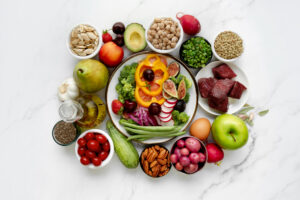
The good news is that many foods actively support healthy uric acid levels while reducing inflammation throughout the body. Consider adding these to a weekly routine:
Food Group | Examples | Why It Helps |
Low-fat dairy | Skim milk, yogurt | May help the body excrete uric acid more efficiently |
Vitamin C-rich produce | Citrus fruits, bell peppers | Supports uric acid clearance |
Complex carbohydrates | Whole grains, vegetables | Lower purine content than refined or processed options |
Cherries | Fresh or tart cherry juice | Often associated with reduced flare frequency |
Water | Plain water throughout the day | Helps kidneys flush out excess uric acid |
Small, consistent changes like these tend to matter more than one dramatic overhaul. A sustainable anti-inflammatory gout diet is built meal by meal, not all at once.
Building a Gout-Friendly Plate With Help From a Nutritionist
You do not have to figure this out alone. A nutritionist can review your current eating habits, identify hidden sources of purines or sugar, and create a plan that fits your lifestyle rather than a generic list of foods to avoid.
For families managing a loved one’s care at home, working with a nutritionist also brings peace of mind. Meal planning can feel overwhelming during a flare-up or after a hospital discharge, and having expert guidance takes pressure off caregivers who are already stretched thin.
If you are in the area, a nutritional consultant in Brooklyn can visit in person, review pantry staples, and adjust recommendations as symptoms change. Many families find that a nutritional consultant in Brooklyn brings a level of personal attention that generic diet guides simply cannot match, especially when care needs shift week to week.
You Do Not Have to Manage This Alone
Gout management is rarely about one single food swap. It is about understanding the fuller picture, from hidden sugars to hydration habits, and building a plan that supports lasting relief. With the right anti-inflammatory gout diet, guided by a qualified professional, you can reduce flare-ups and feel more in control of your health again.
If you or a loved one needs support building a plan that fits your home and your life, reach out to our Nutrition team today by calling +1-718-367-2555 or visiting us at 1797 Pitkin Avenue, Brooklyn, NY 1121 to schedule a consultation. We are here to help you take the next step, one meal at a time.