Total contact casting is widely recognized as the gold standard for offloading diabetic wounds because it redistributes pressure away from the ulcer while keeping patients mobile. This custom-molded cast protects the foot around the clock, giving stubborn wounds the best chance to heal. A podiatrist can determine if this treatment is right for you.
A diabetic foot ulcer that will not close can feel like a constant source of worry for you and your loved one. Every step taken, every shoe worn, adds pressure to a wound that needs rest instead. If you have tried bandages, special footwear, or activity restrictions without success, you are not alone in that frustration.
This is where total contact casting makes a real difference. Recognized across the medical community as the gold standard for offloading diabetic wounds, this treatment protects the wound while allowing your loved one to keep moving through daily life. Below, we explain how it works, who benefits most, and how a podiatrist guides the process from start to finish.
What Is Total Contact Casting?
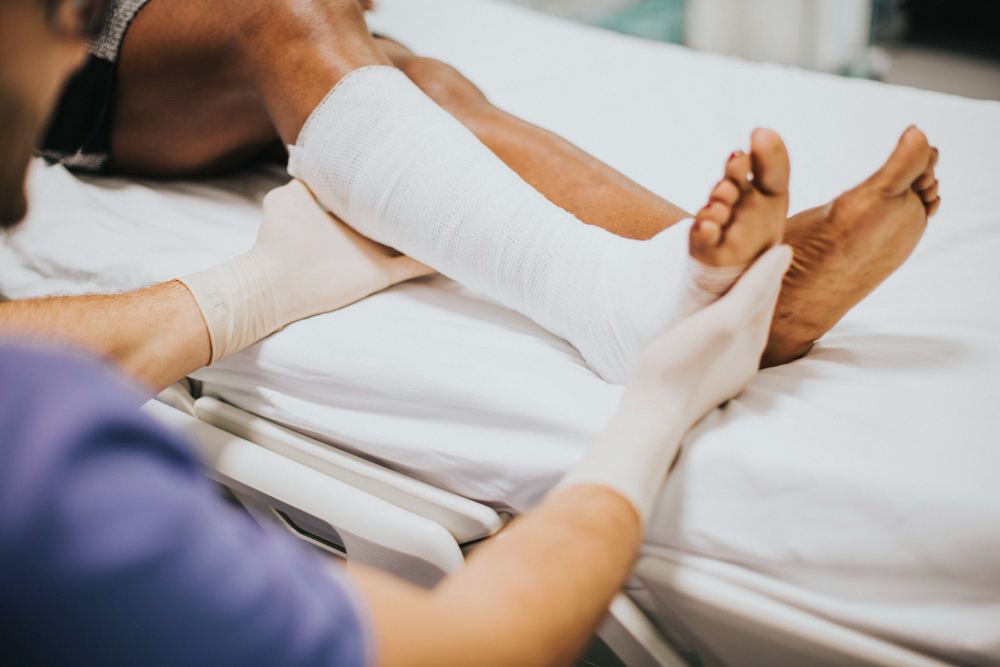
Total contact casting involves a custom-fitted cast that covers the foot and lower leg. Unlike a removable boot, it stays on continuously, which means the wound is protected at all times, not just when someone remembers to wear it.
This constant contact distributes weight evenly across the entire foot. Pressure is lifted off the ulcer itself and spread across a larger surface area, giving damaged tissue the breathing room it needs to heal.
Why Total Contact Casting Is the Gold Standard for Offloading Diabetic Wounds
The Problem With Partial Offloading
Many offloading methods rely on patient compliance. A removable boot only works if it is worn every hour of every day, and most people, understandably, take it off at some point to shower, sleep, or simply find relief.
That inconsistency slows healing. Diabetic wounds need uninterrupted pressure relief to close, and gaps in treatment can undo weeks of progress.
How Total Contact Casting Solves This
Because the cast cannot be removed at home, it eliminates the compliance problem entirely. This is a major reason total contact casting is considered the gold standard for offloading diabetic wounds in clinical research and podiatric practice alike.
Benefits of this approach include:
- Consistent pressure relief: The wound stays protected day and night, without gaps in care.
- Improved healing rates: Even weight distribution supports faster, more reliable tissue repair.
- Continued mobility: Patients can still walk and remain active during treatment, which supports overall well-being.
How a Podiatrist Guides Your Treatment
Deciding whether total contact casting is the right fit starts with a careful evaluation. A podiatrist will examine the wound, check circulation, and review your loved one’s overall health before recommending next steps.
Your podiatrist will typically walk you through:
- A thorough wound assessment to confirm the ulcer’s size, depth, and healing potential.
- A custom casting process, fitted specifically to your loved one’s foot and leg shape.
- Regular follow-up visits, usually every one to two weeks, to check healing progress and reapply the cast as needed.
Having a knowledgeable podiatrist involved at every stage means you are never left guessing what comes next.
Finding Care at a Podiatry Clinic in Brooklyn
You deserve care that fits into your family’s life without added stress. A podiatry clinic in Brooklyn can offer the convenience of nearby appointments alongside the specialized expertise diabetic wound care requires. Choosing a podiatry clinic in Brooklyn also means easier access to follow-up visits, which matter greatly when monitoring a healing wound week to week.
Take the Next Step Toward Healing
A diabetic wound does not have to put your loved one’s health, or your peace of mind, on hold. With total contact casting recognized as the gold standard for offloading diabetic wounds, relief and healing may be closer than they appear. If a wound has not responded to other treatments, reach out to our podiatry team today by calling +1-718-367-2555 or visiting us at 1797 Pitkin Avenue, Brooklyn, NY 1121 to schedule an evaluation. Our team can evaluate the wound, explain whether total contact casting is the right path, and support your family through every step of recovery.