Cardiopulmonary exercise testing, or CPET, measures how your heart, lungs, and muscles work together during physical activity. A cardiologist uses the results to determine whether shortness of breath or fatigue comes from a lung limitation or from heart failure. This clarity helps your care team build the right treatment plan sooner.
Feeling breathless after a short walk is frightening, especially when no one can tell you why it is happening. You may have already seen several specialists, only to leave each appointment with more questions than answers. That uncertainty takes a toll, not just on you, but on the family members helping you manage daily life.
Cardiopulmonary exercise testing was designed for exactly this situation. By distinguishing lung limitations from heart failure, this test gives your cardiologist the information needed to stop guessing and start treating the actual cause of your symptoms. Whether you are seeking answers for yourself or supporting a loved one through this process, understanding how CPET works can ease some of that uncertainty.
How Does Cardiopulmonary Exercise Testing Work?
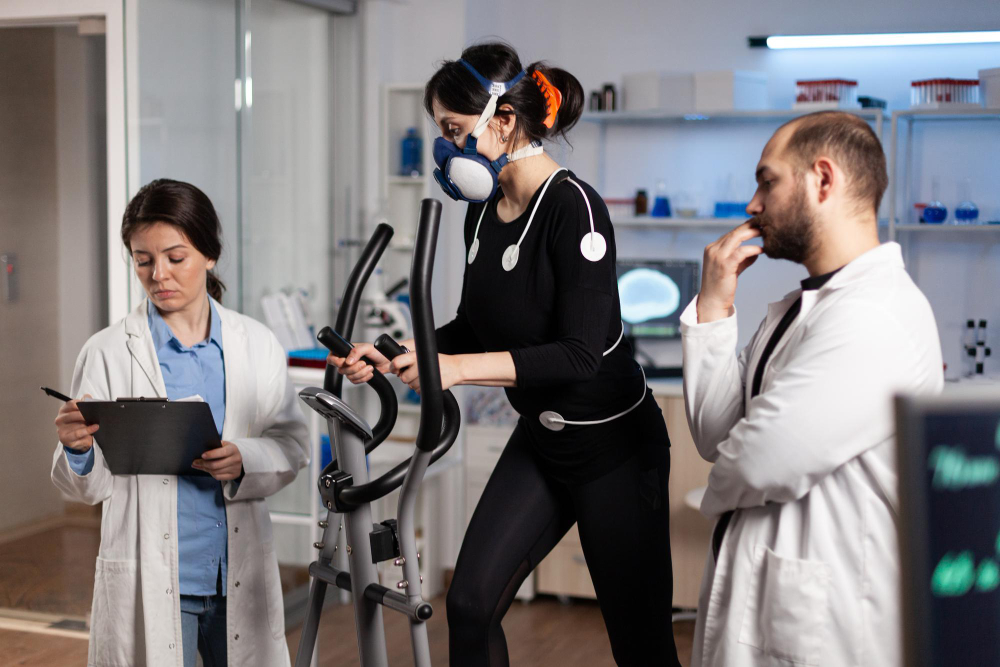
During cardiopulmonary exercise testing, you walk or pedal on equipment while wearing a mask that measures your oxygen intake and carbon dioxide output. At the same time, your heart rate, blood pressure, and oxygen saturation are tracked continuously. The test gradually increases in intensity, allowing your care team to see exactly when and how your body struggles.
This combination of data points is what makes cardiopulmonary exercise testing so valuable. A standard stress test shows how your heart responds to exertion. CPET goes further, showing how your lungs and heart work together under that same stress.
Why Distinguishing Lung Limitations from Heart Failure Matters
Shortness of breath can come from several sources, and the symptoms often overlook which organ is actually struggling. Your lungs may be unable to move enough air, or your heart may be unable to pump efficiently enough to meet your body’s demands during activity.
Distinguishing lung limitations from heart failure matters because the treatments are different. Heart failure may call for medication adjustments, fluid management, or further cardiac evaluation. A lung limitation may point toward conditions like COPD or pulmonary fibrosis, which require a different care path entirely. Getting this distinction right the first time spares you from unnecessary treatments and delayed relief.
What CPET Measures | What It Suggests |
Low oxygen uptake with normal heart rate response | Possible lung limitation |
Rapid heart rate rise with low oxygen uptake | Possible heart failure pattern |
Normal breathing reserve, reduced circulation | Cardiac cause more likely |
Reduced breathing reserve, normal circulation | Pulmonary cause more likely |
Who Should Consider Cardiopulmonary Exercise Testing?
Your cardiologist may recommend this test if you are managing unexplained shortness of breath, fatigue that limits daily activity, or a recent diagnosis that needs further clarity before treatment begins. It is also useful for patients recovering from a hospital stay who want a clear picture of their current capacity before returning to normal routines.
- Unexplained breathlessness: When imaging and basic tests have not revealed a clear cause.
- Pre-treatment planning: Before starting therapies for heart failure or lung disease.
- Recovery tracking: After surgery or a cardiac event, to measure progress safely.
A cardiology clinic in Brooklyn offering cardiopulmonary exercise testing can coordinate this evaluation alongside your existing care team, so results are shared quickly, and treatment decisions are not delayed.
Talk to Your Cardiologist About Next Steps
You do not have to keep guessing why breathing feels harder than it should. Cardiopulmonary exercise testing gives you and your cardiologist real answers, built on your body’s actual response rather than assumptions. If you or a loved one are dealing with ongoing shortness of breath, reach out to our Cardiology team by calling +1-718-367-2555 or visiting us at 1797 Pitkin Avenue, Brooklyn, NY 1121 to schedule an evaluation today.