A new antifungal prescription can bring relief and worry at the same time. You finally have a treatment plan, but you may also have questions about what the medication means for the rest of your body, especially your liver. That concern is valid. Targeted antifungal regimens are often powerful enough to clear a stubborn infection, and that same strength means your care team needs to watch how your liver responds. Monitoring liver panels during treatment is not an extra step. It is a built-in safeguard that helps you finish your treatment safely. This guide walks you through why liver monitoring matters, what to expect from testing, and when to loop in an infectious disease specialist.
Why Targeted Antifungal Regimens Affect the Liver
Your liver processes most medications before they leave your body, including antifungal drugs. Some targeted antifungal regimens, particularly azole-class medications, rely heavily on liver enzymes to break down the drug. This process can occasionally strain liver function, especially during longer courses of treatment.
This does not mean liver damage is likely. It means your care team wants early information, not a surprise later. Catching a change in liver enzymes early allows your provider to adjust your dose or switch medications before any lasting harm occurs.
What Monitoring Liver Panels During Treatment Involves
The Basic Blood Test
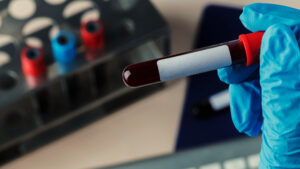
A liver panel is a simple blood draw that measures a few key markers, including:
- ALT and AST: Enzymes that rise when liver cells are under stress.
- Alkaline phosphatase: A marker that can signal bile flow issues.
- Bilirubin: A substance that can build up if the liver struggles to process waste.
These results give your provider a clear picture of how your liver is handling your medication.
How Often You Will Be Tested
Testing frequency depends on your specific antifungal medication, your dose, and your overall health history. Many patients on targeted antifungal regimens have a baseline panel drawn before starting treatment, followed by repeat testing every two to four weeks. Patients with existing liver conditions or those on long-term therapy may need more frequent checks.
Your provider will tell you exactly when to expect each test, so you never have to wonder if you missed one.
Signs You Should Report Between Scheduled Tests
You know your body better than anyone. Between your scheduled blood draws, contact your care team if you notice:
- Yellowing of your skin or eyes
- Unusual fatigue that does not improve with rest
- Nausea or loss of appetite that lasts more than a few days
- Dark urine or pale stools
- Pain or tenderness in your upper right abdomen
None of these symptoms mean something is seriously wrong. They simply mean it is time for a conversation with your provider.
Why an Infectious Disease Specialist Should Guide Your Care
Managing targeted antifungal regimens requires more than writing a prescription. An infectious disease specialist understands how specific antifungal drugs interact with liver function, how to interpret subtle changes in your lab values, and when a dose adjustment is the safer path forward.
Working with an infectious disease specialist also means your treatment plan stays personalized. Your age, other medications, and underlying health conditions all factor into how closely your liver needs to be watched.
Finding Support Close to Home
If you live in New York City, infectious disease doctors in Brooklyn who offer in-home visits can make this process easier on you and your family. Instead of coordinating transportation for every blood draw, a provider can come to you, review your results, and explain what they mean in plain language.
This kind of accessible, personal care matters most when you are already managing the stress of an infection and its treatment.
You Are Not Managing This Alone
Starting a new treatment plan can feel like a lot to carry, especially when it involves ongoing monitoring. You do not have to track every detail by yourself. Your care team is there to explain each result and guide every decision alongside you.
If you have questions about targeted antifungal regimens or monitoring liver panels during treatment, reach out to our infectious disease specialists by calling +1-718-367-2555 or visiting us at 1797 Pitkin Avenue, Brooklyn, NY 1121 to connect with an infectious disease specialist who can support you through every step of your care.