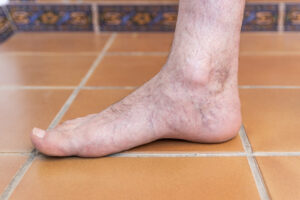
Anterior tarsal tunnel syndrome happens when the deep peroneal nerve becomes pinched as it crosses the top of your foot. This compression of the deep peroneal nerve over the instep can cause burning pain, tingling, or numbness that spreads into the top of your foot and toes. A podiatrist can confirm the diagnosis and guide you toward relief, often without surgery.
That nagging ache across the top of your foot is not something you have to push through. If shoes feel tighter than they used to, or if your foot tingles after a long day on your feet, you may be dealing with anterior tarsal tunnel syndrome. This condition develops when compression of the deep peroneal nerve over the instep interrupts normal nerve signals, and it can quietly worsen if left unaddressed.
You deserve clear answers about what is happening in your foot and what comes next. This guide walks you through the causes, symptoms, and treatment options for this condition, so you can move forward with confidence.
What Is Anterior Tarsal Tunnel Syndrome?
Anterior tarsal tunnel syndrome is a nerve compression disorder affecting the deep peroneal nerve as it travels across the top of your ankle and foot. Unlike the more commonly known tarsal tunnel syndrome, which affects the inside of the ankle, this condition targets the front of the foot, right where your shoelaces sit.
When something presses on this nerve, it cannot send signals properly. The result is pain, tingling, or weakness that can make everyday walking uncomfortable.
Understanding Compression of the Deep Peroneal Nerve Over the Instep
Causes and Risk Factors
Compression of the deep peroneal nerve over the instep usually stems from repeated pressure on the top of the foot. Common causes include:
- Tight shoes or laces: Footwear that presses firmly across the instep can gradually irritate the nerve underneath.
- Bone spurs: Extra bone growth on top of the foot can crowd the space where the nerve runs.
- Ganglion cysts: Fluid-filled lumps can form near the nerve and press against it.
- Swelling from injury: A sprain or direct trauma to the foot can lead to inflammation that compresses the nerve.
- Repetitive activity: Running, hiking, or activities involving tightly laced shoes can add ongoing pressure over time.
Symptoms to Watch For
You may notice a burning or tingling sensation across the top of your foot, especially between the first and second toes. Numbness, a pins-and-needles feeling, or dull weakness when lifting your toes are also common. Symptoms often worsen with tight shoes and ease when shoes are removed, which is a helpful clue your podiatrist will ask about.
How Is Anterior Tarsal Tunnel Syndrome Diagnosed and Treated?
A podiatrist typically diagnoses anterior tarsal tunnel syndrome through a physical exam, checking for tenderness over the instep and testing sensation in the foot. Imaging, such as an ultrasound or MRI, may help identify an underlying cause like a bone spur or cyst.
Conservative Treatment Options
Most people improve with non-surgical care, including:
- Footwear adjustments: Switching to shoes with a roomier top and looser laces reduces pressure on the nerve.
- Custom orthotics: Supportive inserts can correct foot mechanics that contribute to compression.
- Rest and activity changes: Reducing repetitive strain gives the nerve a chance to recover.
- Anti-inflammatory care: Ice and over-the-counter medication can calm swelling around the nerve.
When Further Care Is Needed
If symptoms persist, your podiatrist may recommend a corticosteroid injection to reduce inflammation near the nerve. In cases involving a bone spur or cyst that does not respond to conservative treatment, a minor surgical procedure to relieve pressure on the nerve may be considered. This step is uncommon and only explored after other options have been tried.
You do not have to manage this discomfort alone. With the right combination of care, relief from compression of the deep peroneal nerve over the instep is within reach.
Take the Next Step Toward Comfortable Steps
You should not have to live with ongoing foot pain. With an accurate diagnosis and the right treatment plan, relief from anterior tarsal tunnel syndrome is possible.
Reach out to our podiatry team today by calling +1-718-367-2555 or visiting us at 1797 Pitkin Avenue, Brooklyn, NY 1121 to schedule an evaluation. Our team will listen to your concerns, explain your options in plain terms, and help you take comfortable, confident steps forward.