The nutcracker phenomenon occurs when the left renal vein gets compressed between two nearby arteries, slowing blood flow and causing flank pain, blood in the urine, or pelvic discomfort. A vascular health specialist can confirm the diagnosis with imaging and recommend treatment ranging from monitoring to surgical correction.
Unexplained flank pain can be frightening, especially when it comes and goes without a clear cause. If your loved one has been dealing with pain on one side, along with blood in the urine or a heavy feeling in the pelvis, a condition called nutcracker phenomenon may be behind it. Nutcracker phenomenon happens when compressed renal veins cause flank pain by restricting normal blood flow out of the kidney. It is not common, but it is treatable, and understanding what is happening in the body is the first step toward relief.
This guide explains what the nutcracker phenomenon is, why it causes pain, and when it is time to talk with a vascular health specialist.
What Is Nutcracker Phenomenon?
Nutcracker phenomenon gets its name from the way the left renal vein becomes pinched between two major arteries, much like a nut caught in a nutcracker. This compression narrows the vein and raises pressure inside it, which can lead to pain and other noticeable symptoms.
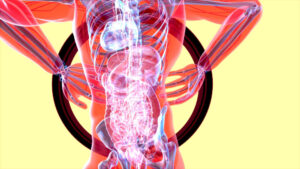
When compressed, renal veins cause flank pain; the discomfort is often felt on the left side of the body. Some people also notice pelvic pain, especially after standing for long periods, along with visible or microscopic blood in the urine.
Why Do Compressed Renal Veins Cause Flank Pain?
The pain associated with this condition comes from increased pressure inside the renal vein. When blood cannot drain efficiently from the kidney, that pressure builds and irritates surrounding tissue.
Common Symptoms to Watch For
- Flank pain: A dull or sharp ache on one side of the lower back or abdomen, often worse after physical activity.
- Blood in the urine: This can be visible or detected only through a lab test.
- Pelvic pain or fullness: Particularly in younger women, this can feel like pressure or heaviness.
- Fatigue or lightheadedness: Some people experience these symptoms if blood loss becomes significant over time.
You do not have to guess whether these symptoms point to the nutcracker phenomenon. A proper evaluation can confirm what is happening and rule out other causes.
How Is Nutcracker Phenomenon Diagnosed and Treated?
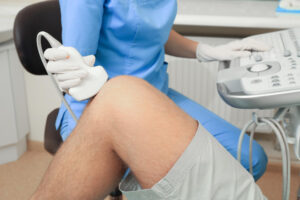
Diagnosis usually starts with imaging, such as an ultrasound, CT scan, or MRI, to get a clear view of the renal vein and surrounding arteries. These tests help a vascular health specialist measure the degree of compression and determine the best path forward.
Treatment depends on the severity of symptoms. Mild cases may simply be monitored over time, especially in younger patients whose bodies are still developing. More significant cases may require:
- Weight gain or nutritional support, which can sometimes relieve pressure on the vein.
- Stenting, a minimally invasive procedure to hold the vein open.
- Surgical repair, reserved for more severe or persistent cases.
Your care team will walk you through which option makes sense based on your specific situation, so you are never left making this decision alone.
When Should You See a Vascular Health Specialist?
If flank pain, blood in the urine, or pelvic discomfort has become a regular part of your life, it is time to get answers. A vascular health specialist can evaluate your symptoms, order the right imaging, and build a treatment plan suited to your needs.
Waiting rarely makes these symptoms easier to manage. Early evaluation often means more treatment options and a faster return to feeling like yourself again.
Get Compassionate Care With Us
Living with unexplained pain takes a toll, both physically and emotionally. You deserve answers, and you deserve a care team that listens. Our vascular clinic in Brooklyn offers experienced, compassionate evaluation for conditions like nutcracker phenomenon, with personalized care plans built around your needs.
Reach out to our Vascular team today by calling +1-718-367-2555 or visiting us at 1797 Pitkin Avenue, Brooklyn, NY 1121 to schedule an evaluation and take the first step toward relief.