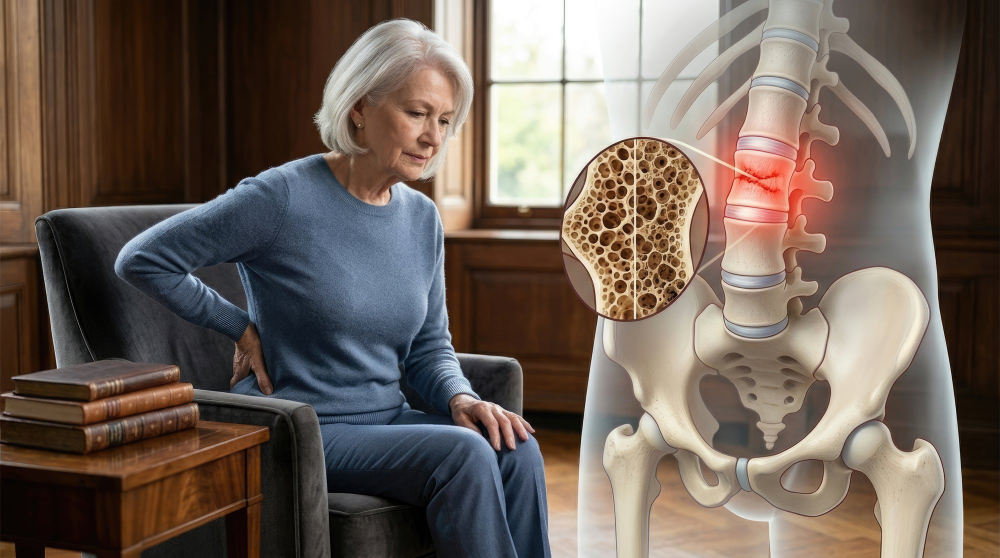
Greater trochanteric pain syndrome describes outer hip pain centered over the bony point of your hip. It covers two related conditions: gluteal tendinopathy and classic hip bursitis. Gluteal tendinopathy involves wear and tear on the tendons that stabilize your hip, while classic hip bursitis involves inflammation of the fluid-filled sac that cushions the joint. Knowing which one you have shapes the right treatment path.
If you or someone you love has been dealing with nagging pain on the outer hip, you already know how disruptive it can be. Walking up stairs hurts. Lying on that side at night feels impossible. Simple errands turn into a source of dread.
Greater trochanteric pain syndrome is one of the most common causes of this kind of discomfort, especially for older adults and active women. The tricky part is that two different conditions fall under this umbrella, and they are often confused with one another. Understanding the difference between gluteal tendinopathy and classic hip bursitis can help you and your family make informed decisions about care.
What Is Greater Trochanteric Pain Syndrome?
Greater trochanteric pain syndrome refers to pain over the greater trochanter, the bony bump you can feel on the outside of your hip. For years, doctors described this pain as bursitis alone. Research now shows that most cases actually stem from problems with the gluteal tendons, not the bursa itself. This is why getting an accurate diagnosis matters so much before starting treatment.
Gluteal Tendinopathy vs Classic Hip Bursitis: What Sets Them Apart
Gluteal tendinopathy and classic hip bursitis share a similar location, but they are not the same condition.
Gluteal Tendinopathy
This condition develops when the gluteus medius and minimus tendons become irritated or degenerate from repetitive strain. It is the more common cause of greater trochanteric pain syndrome.
- Cause: Overuse, muscle weakness, or age-related tendon changes
- Pain pattern: Gradual onset, worse with activity like climbing stairs or lying on the affected side
- Who it affects: Often middle-aged and older women
Classic Hip Bursitis
This condition involves inflammation of the trochanteric bursa, the small cushion between tendon and bone.
- Cause: Direct trauma, prolonged pressure, or irritation from nearby tendon problems
- Pain pattern: Can develop more suddenly, often tender to direct touch over the hip
- Who it affects: Can occur at any age, often linked to a specific injury or repetitive pressure
Feature | Gluteal Tendinopathy | Classic Hip Bursitis |
Underlying issue | Tendon degeneration | Bursa inflammation |
Onset | Gradual | Often sudden |
Common trigger | Repetitive strain, weak hip muscles | Trauma or pressure |
Typical age group | Middle-aged to older women | Any age |
When to See a Pain Management Specialist
If hip pain is lasting more than a few weeks, interfering with sleep, or making daily movement difficult, it is time to involve a pain management specialist. A proper exam and sometimes imaging help confirm whether gluteal tendinopathy, bursitis, or a combination of both is the source of discomfort.
A pain management specialist can also rule out other causes of hip pain, such as arthritis or lower back issues that mimic trochanteric pain. Getting the right diagnosis early often means a faster path to relief.
Find Relief With Our Team
You do not have to keep pushing through hip pain hoping it resolves on its own. Our pain management clinic in Brooklyn offers thorough evaluations to pinpoint whether gluteal tendinopathy, classic hip bursitis, or both are behind your symptoms, along with a care plan built around your needs.
Reach out to our Pain Management team today by calling +1-718-367-2555 or visiting us at 1797 Pitkin Avenue, Brooklyn, NY 1121 to schedule an evaluation and take the first step toward moving comfortably again.