Morton’s neuroma cryoneurolysis is a minimally invasive treatment that uses targeted freezing to calm an irritated nerve between the toes. By freezing damaged nerves to stop forefoot tingling, the procedure interrupts pain signals without surgery, offering relief for burning, numbness, and that unsettling “pebble in your shoe” sensation.
That tingling in the ball of your foot is more than an annoyance. For many people, it signals a growing worry that something is wrong, and that worry only deepens when standing or walking starts to feel difficult. If you or a loved one has been told this discomfort comes from Morton’s neuroma, you are not alone, and you do not have to live with it.
Morton’s neuroma cryoneurolysis offers a path forward that does not require surgery. This treatment focuses on freezing damaged nerves to stop forefoot tingling at its source, giving patients a reliable option before considering more invasive measures. Below, we walk through how it works, who it helps, and what to expect.
What Is Morton’s Neuroma Cryoneurolysis?
Morton’s neuroma is a painful thickening of tissue around a nerve in the foot, usually between the third and fourth toes. It can cause sharp pain, burning, and the feeling that something is bunched up inside your shoe.
Cryoneurolysis addresses this discomfort by applying extreme cold directly to the affected nerve. This process temporarily disrupts the nerve’s ability to send pain signals, which can bring significant relief from tingling, burning, and numbness.
How the Nerve Freezing Process Works
A thin probe is guided to the irritated nerve, often with the help of ultrasound imaging for precision. The probe delivers controlled freezing temperatures that interrupt nerve signaling while leaving the surrounding tissue intact. Because the nerve itself remains structurally present, normal sensation often returns gradually, while the troublesome pain response is quieted.
Symptoms That May Benefit from Freezing Damaged Nerves to Stop Forefoot Tingling
You may be a candidate for this treatment if you experience:
- Burning or tingling in the ball of your foot that worsens with activity.
- Numbness radiating into the toes.
- A feeling of walking on a pebble, even with nothing in your shoe.
- Pain that eases when you remove your shoe and rub your foot.
If these symptoms sound familiar, a conversation with a podiatrist can clarify whether cryoneurolysis is right for you.
The Cryoneurolysis Procedure: Step by Step
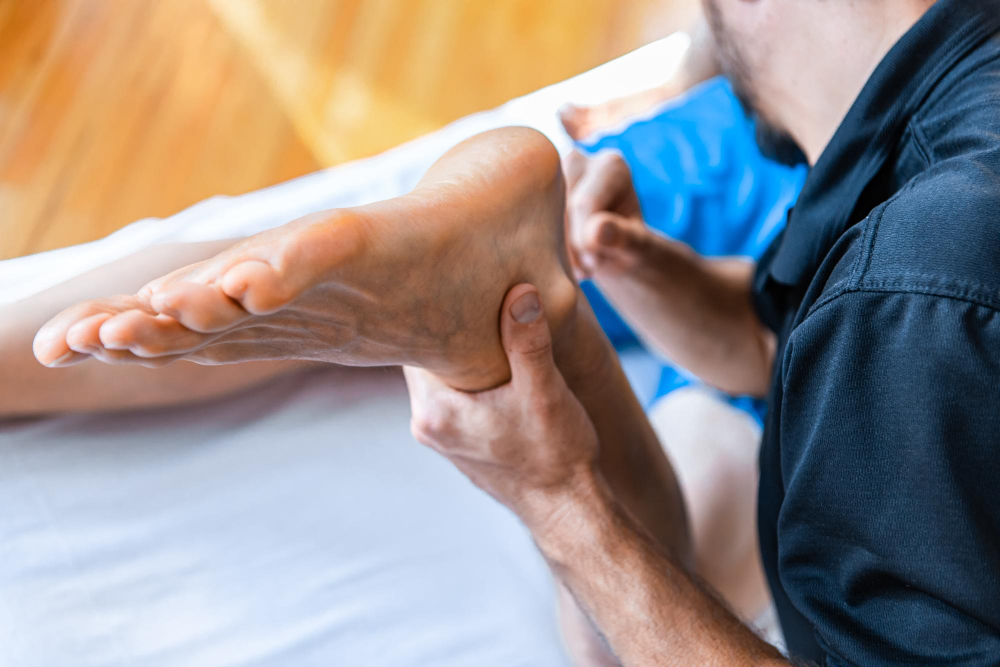
The treatment is performed in a clinical setting and typically takes less than an hour. Your podiatrist will first confirm the diagnosis using imaging, then numb the area with local anesthesia. The freezing probe is inserted and positioned near the nerve, and cold therapy is applied for several minutes to achieve the desired effect.
What to Expect Before and After Treatment
Before your appointment, you will likely be asked about your footwear habits and symptom history. Afterward, mild swelling or tenderness is common for a few days, but most patients can return to normal activities quickly. Supportive footwear and activity modifications in the days following treatment can help your recovery go smoothly.
Cryoneurolysis vs. Surgery: Key Differences
Choose cryoneurolysis if you want to avoid the longer recovery and higher risk profile associated with surgical nerve removal. Surgery permanently removes the neuroma, which can mean a longer healing period and the possibility of lasting numbness. Cryoneurolysis, by contrast, is minimally invasive, preserves the nerve, and allows for a faster return to daily life. For patients who are unsure about committing to surgery, this option offers a meaningful middle ground worth discussing with a podiatrist.
Who Is a Good Candidate?
Cryoneurolysis tends to work well for patients with confirmed Morton’s neuroma who have not found lasting relief through orthotics, footwear changes, or injections. It is also a strong option for those who want to avoid surgical downtime. A thorough evaluation at a podiatry clinic in Brooklyn can determine whether your symptoms and health history make you a good fit.
Find Relief With Our Care Team
Forefoot pain can make even simple days feel exhausting. You deserve a treatment plan built around your needs, not a generic fix. Morton’s neuroma cryoneurolysis offers a proven way of freezing damaged nerves to stop forefoot tingling, helping you get back to the activities you enjoy without the burden of ongoing discomfort.
Our podiatry team is here to guide you through every step, from diagnosis to recovery. Reach out to us today by calling +1-718-367-2555 or visiting us at 1797 Pitkin Avenue, Brooklyn, NY 1121 to schedule a consultation with a podiatrist who understands what you are going through and is ready to help.