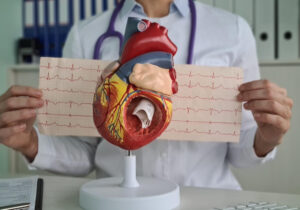
Cardiac hemochromatosis occurs when excess iron builds up in the heart muscle, gradually stiffening and weakening the ventricles. Understanding how iron overload damages ventricular function helps families recognize early warning signs and seek timely care. A cardiologist can detect the condition through imaging and bloodwork, often before serious damage sets in.
Watching a loved one grow tired, short of breath, or unusually pale can be frightening, especially when doctors cannot immediately explain why. For some families, the answer turns out to be cardiac hemochromatosis, a condition where iron builds up inside the heart over time. Understanding how iron overload damages ventricular function can help you recognize symptoms early and get your loved one the right care.
This guide walks through what cardiac hemochromatosis is, why it affects the heart so deeply, and when it is time to bring in a cardiologist.
What Is Cardiac Hemochromatosis?
Cardiac hemochromatosis happens when too much iron accumulates in the heart tissue, usually as a result of hereditary hemochromatosis or repeated blood transfusions. The body has no natural way to remove excess iron, so it settles into organs, including the heart. Over months and years, this buildup can interfere with how the heart contracts and relaxes.
According to the National Heart, Lung, and Blood Institute, untreated iron overload can lead to serious heart complications, making early detection essential for protecting long-term health.
How Iron Overload Damages Ventricular Function
Iron is toxic to heart muscle cells when it accumulates in large amounts. As iron deposits build within the ventricles, the heart muscle becomes stiff and less elastic. This makes it harder for the ventricles to fill with blood and pump efficiently.
Your loved one may notice symptoms such as:
- Fatigue: Feeling unusually tired during everyday activities.
- Shortness of breath: Especially during exercise or lying flat.
- Swelling: Fluid buildup in the legs, ankles, or abdomen.
- Irregular heartbeat: A sign the heart’s electrical system is affected.
Left unaddressed, this process can progress to restrictive or dilated cardiomyopathy, both of which make it harder for the heart to meet the body’s needs.
Why Early Detection Matters
The damage caused by cardiac hemochromatosis often develops slowly, which means symptoms can be mistaken for general fatigue or aging. A cardiologist can identify the condition through tools such as cardiac MRI, which measures iron levels directly in the heart tissue, along with blood tests that check ferritin and iron saturation.
Catching the condition early gives your family more treatment options and a better chance of preventing permanent heart damage.
Treatment Options for Cardiac Hemochromatosis
Treatment focuses on removing excess iron from the body and supporting heart function. Common approaches include:
- Phlebotomy: Regularly removing blood to lower iron levels, often used for hereditary hemochromatosis.
- Iron chelation therapy: Medication that binds to excess iron so the body can eliminate it, commonly used for transfusion-related iron overload.
- Heart failure medications: Beta-blockers or diuretics to ease strain on the heart and manage symptoms.
- Ongoing monitoring: Regular echocardiograms and MRI scans to track how the heart responds to treatment.
Your cardiologist will tailor this plan based on the underlying cause of the iron overload and how much the heart has already been affected.
When to See a Cardiologist
You do not need to wait for severe symptoms before seeking help. If your loved one experiences persistent fatigue, swelling, breathlessness, or an irregular heartbeat, especially alongside a known iron disorder, it is time to schedule an evaluation.
Families in the area have access to a trusted cardiology clinic in Brooklyn offering advanced imaging and personalized treatment plans for iron-related heart conditions. Choosing a cardiology clinic in Brooklyn with experience in cardiac hemochromatosis means your loved one benefits from a team that understands the full picture, from diagnosis through long-term management.
Protecting Your Loved One’s Heart Health
Cardiac hemochromatosis can feel overwhelming to learn about, but it is a manageable condition with the right care team behind you. Understanding how iron overload damages ventricular function is the first step toward catching problems early and protecting heart health for years to come.
Reach out to our Cardiology team today by calling +1-718-367-2555 or visiting us at 1797 Pitkin Avenue, Brooklyn, NY 1121 to schedule an evaluation and give your loved one the expert, compassionate care they deserve.