Venous stenting for iliac vein compression is a minimally invasive procedure that opens a narrowed or compressed iliac vein using a small expandable tube called a stent. It restores healthy blood flow out of the leg, often easing pain, swelling, and skin changes without the need for open surgery or a long recovery.
Your legs feel heavy by midafternoon. The swelling never quite goes away, even overnight. Maybe you have noticed darkened skin near your ankle, or a dull ache that worsens the longer you stand. These symptoms are easy to dismiss as part of getting older or being on your feet too much. Often, though, they point to something more specific: a blocked or narrowed iliac vein that is making it harder for blood to drain from your leg back to your heart.
The good news is that this condition rarely requires a hospital stay or a scalpel. Venous stenting for iliac vein compression offers a way to restore that drainage through a small, targeted procedure. Understanding how it works can help you decide whether it is time to talk with a vascular specialist about your own symptoms.
What Is Iliac Vein Compression and Why Does It Matter?
Iliac vein compression happens when the right iliac artery presses against the left iliac vein, pinching it against the spine. This narrowing, sometimes called May-Thurner syndrome, slows blood flow out of the left leg and raises pressure in the veins below it.
Over time, that pressure builds. Blood pools instead of circulating properly, and the leg begins to show it. Common signs include:
- Persistent swelling: Your leg feels tight or heavy, especially by the end of the day.
- Skin discoloration: The lower leg may darken or develop a leathery texture.
- Aching or heaviness: Discomfort that worsens with standing and improves when you elevate your leg.
- Blood clots: In more serious cases, the restricted flow leads to deep vein thrombosis.
Left untreated, iliac vein compression can quietly worsen for years. Recognizing the pattern early gives you a real chance to address it before it affects your mobility or leads to a clot.
Restoring Leg Drainage Without Open Surgery: How Venous Stenting Works
What the Procedure Involves
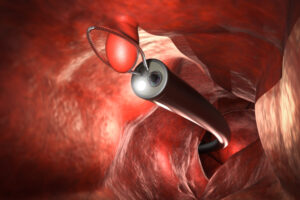
Venous stenting is performed through a small incision, usually in the neck or groin, rather than a large surgical opening. Your vascular specialist guides a thin catheter through the vein to the narrowed section using live imaging. A balloon gently widens the compressed area, and a stent, a small mesh tube, is placed to hold the vein open permanently.
Most patients go home the same day. There is no large wound to heal, and many people return to normal activity within a few days. This is what makes restoring leg drainage without open surgery such a meaningful option for people who might otherwise face a much longer recovery.
Who Is a Good Candidate
Not every case of leg swelling calls for a stent. Your vascular specialist will typically recommend venous stenting if imaging confirms significant narrowing of the iliac vein and your symptoms have not improved with compression stockings or other conservative measures. People with a history of deep vein thrombosis in the affected leg are also frequently good candidates, since stenting can reduce the risk of future clots.
Benefits and Risks of Venous Stenting
Venous stenting offers real advantages over traditional surgery. Recovery is shorter. Scarring is minimal. Most patients notice reduced swelling and discomfort within weeks of the procedure.
As with any medical treatment, there are risks to weigh. These can include:
- Stent migration: In rare cases, the stent can shift from its original position.
- Re-narrowing: The vein may narrow again over time, sometimes requiring a follow-up procedure.
- Bleeding or bruising: Minor bleeding at the catheter site is possible but usually resolves quickly.
Your care team will walk you through these possibilities so you feel fully informed before moving forward. You do not have to make this decision without guidance.
When to See a Vascular Specialist at a Vascular Clinic in Brooklyn
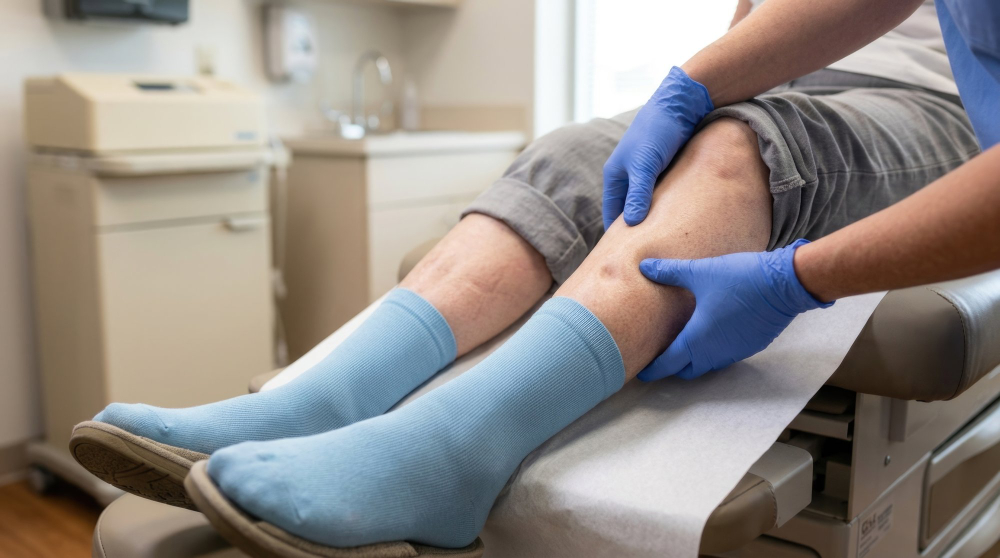
If your leg swelling has lasted more than a few weeks, or if you have noticed skin changes, unexplained pain, or a prior blood clot, it is time to get evaluated. A vascular specialist can perform imaging tests, such as an ultrasound or venogram, to see exactly what is happening inside the vein and determine whether stenting is the right next step.
Waiting rarely makes these symptoms better on their own. Visiting a vascular clinic in Brooklyn gives you access to specialists who diagnose and treat iliac vein compression every day, with the imaging technology needed to catch the problem precisely.
You Do Not Have to Live With Heavy, Swollen Legs
Chronic leg swelling can wear you down, both physically and emotionally. You deserve answers, not just another pair of compression socks that only partly helps.
Our Vascular team offers evaluation and treatment for iliac vein compression, including venous stenting for patients who qualify. Reach out today by calling +1-718-367-2555 or visiting us at 1797 Pitkin Avenue, Brooklyn, NY 1121 to schedule a consultation and take the first step toward lighter, more comfortable legs.