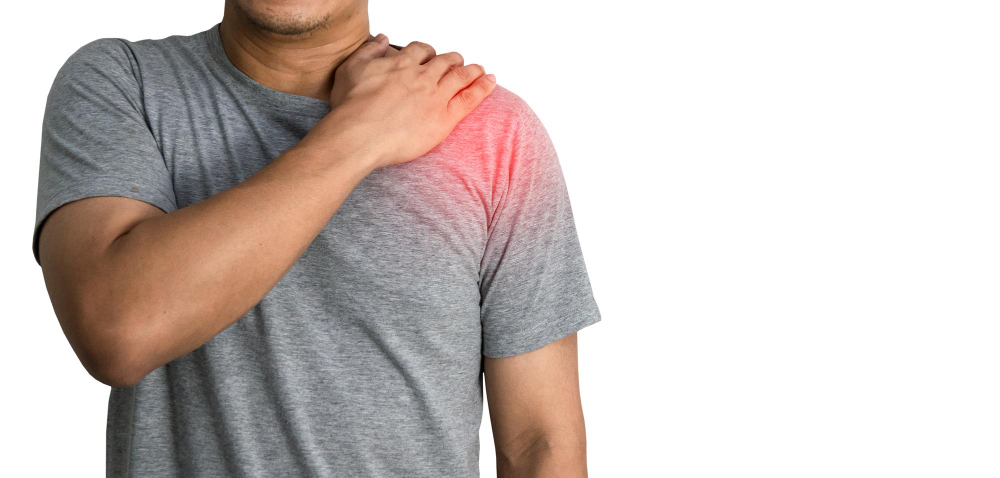
Subacromial impingement syndrome happens when soft tissue in your shoulder gets pinched during movement. The difference between rotator cuff and structural bone spurs comes down to the source of that pinching. Rotator cuff impingement involves inflamed or swollen tendons, while bone spurs are hard, bony growths that narrow the shoulder space. A pain management doctor can identify which one is affecting you and guide the right treatment path.
Shoulder pain can creep into every part of your day. Reaching for a cup in the cabinet, buckling a seatbelt, or lifting a grandchild can suddenly feel impossible. If you have been told you have subacromial impingement syndrome, you may be wondering what that actually means for your shoulder and your recovery.
This condition develops when tendons or other tissue in the subacromial space, the narrow gap beneath the tip of your shoulder blade, become compressed during arm movement. That compression can come from two very different sources: soft tissue inflammation or bone spurs. Understanding the difference between rotator cuff and structural bone spurs matters because it shapes how your care team treats your pain. A visit to a pain management doctor can help you find clear answers instead of guessing at the cause.
What Is Subacromial Impingement Syndrome?
Subacromial impingement syndrome occurs when the rotator cuff tendons or the bursa, a small fluid-filled cushion, get squeezed each time you lift your arm. Over time, that repeated friction leads to pain, stiffness, and weakness, especially when reaching overhead.
Common symptoms include:
- Pain with overhead motion: Reaching above shoulder height often triggers a sharp or aching sensation.
- Night pain: Lying on the affected shoulder can disrupt sleep.
- Weakness: Lifting objects or holding your arm up for long periods may feel harder than usual.
- Clicking or catching: Some patients notice a popping sensation during movement.
Rotator Cuff Inflammation: The Soft Tissue Cause
Rotator cuff inflammation, also called tendinitis or bursitis depending on the tissue involved, happens when the tendons or bursa swell from overuse, repetitive motion, or injury. This swelling takes up space in the subacromial area, leading to pinching with every arm movement.
This form of impingement often responds well to rest, physical therapy, and anti-inflammatory treatment. Because the tissue itself is swollen rather than structurally changed, many patients see improvement once inflammation subsides.
Structural Bone Spurs: The Bony Cause
Bone spurs, known medically as osteophytes, are small bony projections that form along the underside of the acromion, the bony tip of your shoulder blade. These growths develop gradually, often from years of wear, arthritis, or repetitive stress on the joint.
Unlike inflammation, bone spurs do not shrink with rest or medication. They physically narrow the subacromial space, which means the impingement can persist until the spur is addressed directly, sometimes through a minimally invasive procedure.
Why the Difference Between Rotator Cuff and Structural Bone Spurs Matters
Choosing the right treatment depends entirely on which cause is behind your pain. If inflammation is the culprit, your pain management doctor may recommend physical therapy, targeted injections, or activity modification. If bone spurs are narrowing the space, imaging such as an MRI or X-ray can confirm the diagnosis, and your doctor can discuss options ranging from conservative care to a referral for surgical evaluation.
Choose conservative treatment first if your symptoms are recent and imaging shows primarily soft tissue swelling. Consider a more targeted approach if symptoms have lingered for months or imaging confirms bone spur involvement.
You Deserve Clear Answers About Your Shoulder Pain
Living with shoulder pain day after day takes a toll, both physically and emotionally. You should not have to wonder whether your discomfort will ever ease.
A pain management clinic in Brooklyn can provide the imaging, diagnosis, and personalized care plan needed to get you back to the activities you enjoy. Our Pain Management team works closely with patients to pinpoint whether rotator cuff inflammation or structural bone spurs are behind their symptoms, then builds a treatment plan around that answer.
Reach out to us today by calling +1-718-367-2555 or visiting us at 1797 Pitkin Avenue, Brooklyn, NY 1121 to schedule an evaluation and take the first step toward lasting shoulder relief.