That sharp, stabbing pain in your heel with your first steps out of bed can be frightening. When an X-ray reveals heel spurs, it feels like you finally have your answer. But here is something most people never hear: those heel spurs are likely not the source of your heel spur pain at all.
For decades, that little hook of bone took the blame. The real culprit is usually a soft-tissue problem called plantar fasciitis. Understanding this difference matters, because it changes how you treat the pain and how quickly you recover. Let’s clear up the confusion and point you toward relief that actually works.
What Are Heel Spurs?
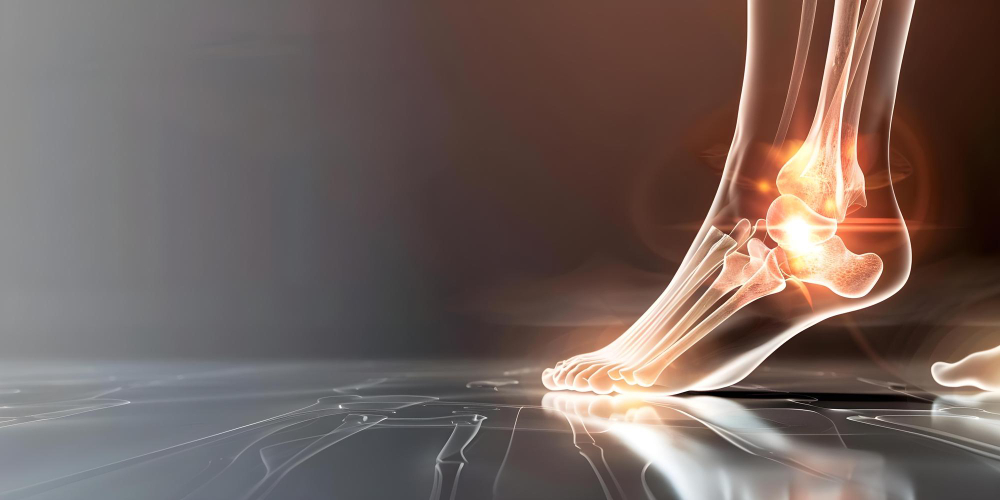
A heel spur is a small calcium deposit that forms on the underside of your heel bone. It builds up slowly over time, often in response to strain on the muscles and ligaments in your foot.
Here is the surprising part. Heel spurs are far more common than heel pain. According to the American Academy of Orthopaedic Surgeons, about 1 in 10 people have heel spurs, yet only 5 percent of those individuals feel any foot pain at all.
In other words, most people walking around with heel spurs have no idea they exist. If you want to understand the broader picture of foot discomfort, our guide to common causes of heel pain breaks it down clearly.
The Real Cause of Heel Spur Pain
If the spur is not to blame, what is? In most cases, the answer is plantar fasciitis.
The plantar fascia is a thick band of tissue running along the bottom of your foot. It connects your heel to your toes and supports your arch. When this band becomes irritated or inflamed, it produces that classic stabbing pain near the heel.
Bone spurs were once routinely removed through surgery in an effort to stop heel pain. Yet many people with heel spurs feel nothing, which tells us the spur itself is rarely the problem. A trusted podiatrist can examine your foot and identify the true source of your discomfort.
Heel Spurs and Heel Pain Treatment Options
The encouraging news is that most heel pain improves without surgery. More than 90 percent of people recover within 10 months using simple, conservative treatments.
A good foot doctor will usually start with gentle, at-home approaches before considering anything more involved.
- Rest and ice. Ease off high-impact activity and apply a cloth-covered ice pack to reduce swelling.
- Stretching. Regular calf and arch stretches loosen the plantar fascia and relieve tension.
- Supportive footwear. Choose shoes with good arch support and cushioning, and avoid going barefoot.
- Orthotics. Custom or over-the-counter arch supports spread pressure more evenly across your foot.
- Night splints. These hold your foot in a stretched position while you sleep.
When to See a Specialist
If your heel pain lingers despite these steps, it is time for expert guidance. A podiatrist can confirm the diagnosis, rule out other issues, and build a plan around your specific needs.
You do not have to guess your way through this. Our in-home podiatry services bring a qualified foot doctor right to your door, offering personalized care and reassurance without the stress of travel.
Find Relief Without the Guesswork
Heel pain can wear you down, but you are not stuck with it. With the right diagnosis and a personalized treatment plan, lasting relief is within reach.
Reach out today by calling +1 718 367 2555 or visit us at 1797 Pitkin Avenue, New York, NY 11212 to schedule a visit with our podiatry team and take the first step toward walking comfortably again.