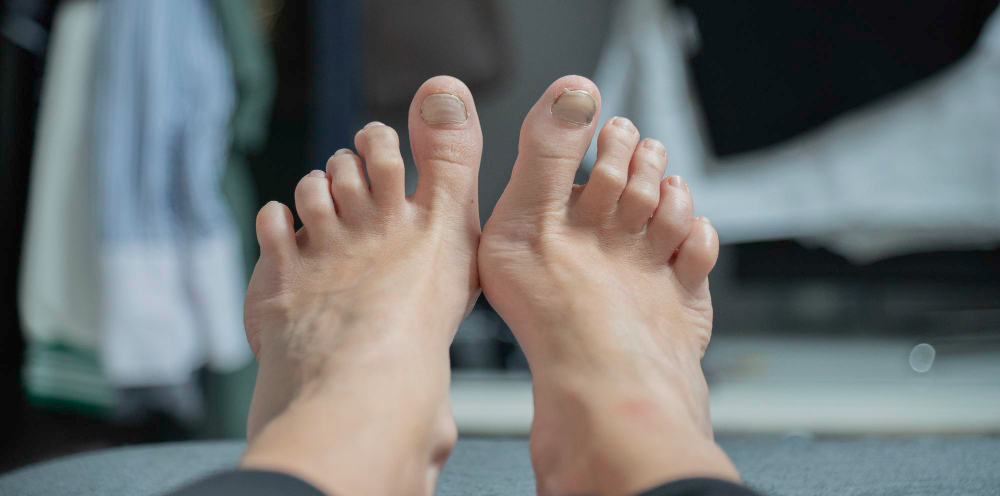
Hammertoes do not develop overnight. The condition progresses gradually — and that is exactly why daily movement matters. Simple daily toe stretching exercises to prevent hammertoes progression can slow or even stop that decline when started early. This post walks you through three exercises you can do at home, explains when to see a podiatrist, and covers the footwear choices that support your toes every step of the way.
Simple Daily Toe Stretching Exercises to Prevent Hammertoes Progression
Your toes are designed to move freely. When muscles and tendons stay tight over time — often from ill-fitting shoes or inactivity — the joints can begin to contract and stiffen. Stretching keeps those tissues flexible, which is your first line of defense against hammertoes progression.
Aim to complete these exercises once daily, ideally after a warm shower when tissue is more pliable.
Manual Toe Stretches
Sit in a chair and place one foot flat on the floor. Using your fingers, gently grasp the affected toe and slowly extend it upward, then downward, moving through its full range of motion. Hold each direction for five seconds. Repeat ten times per toe.
This stretch directly targets the tight tendons that pull the joint into a bent position. Consistent practice helps restore flexibility before the deformity becomes fixed.
Towel Curls
Place a small towel flat on the floor. Keeping your heel down, use your toes to scrunch the towel toward you, then spread it back out. Repeat for two to three minutes.
Towel curls strengthen the intrinsic muscles of the foot — the small muscles that help keep your toes aligned. Weak intrinsic muscles are a key contributor to hammertoes progression, making this a foundational exercise for long-term toe health.
Toe Pick-Ups
Scatter ten small objects — marbles, pebbles, or balled-up socks — on the floor. Use your toes to pick them up one at a time and transfer them to a nearby container. Work through all ten objects, then switch feet.
This exercise builds coordination and muscle control alongside flexibility. It may feel awkward at first, but that difficulty reflects exactly the muscular work your toes need.
When to See a Podiatrist
Stretching is effective for flexible hammertoes — those that can still be manually straightened. If your toe has become rigid and no longer moves when pressed, self-directed exercise may not be enough.
You should consult a podiatrist if:
- Your toe feels locked in a bent position and does not respond to stretching
- Pain or irritation develops where the toe rubs against your shoe
- Calluses or corns form on top of the joint, indicating ongoing friction
- Your symptoms are worsening despite regular daily exercise
A podiatrist can assess how far the condition has progressed and recommend next steps, which may include prescription orthotics, physical therapy, or — in more advanced cases — a discussion of other treatment options. If you are in the New York area, a podiatry clinic in Brooklyn can provide a thorough evaluation and a clear plan tailored to your feet and daily routine.
Supportive Footwear and Orthotics
The shoes you wear either support your recovery or work against it. Footwear with a narrow toe box forces your toes into a compressed, bent position for hours at a time — undoing the benefit of daily stretching.
Look for shoes that offer:
- A wide, roomy toe box that allows your toes to lie flat without crowding
- Firm arch support to reduce stress on the forefoot
- Adequate depth so the top of the toe does not press against the shoe interior
Custom orthotics go a step further. For feet with structural irregularities — such as flat arches or abnormal toe alignment — orthotics can redistribute pressure and slow hammertoes progression in ways that stretching alone cannot achieve. A podiatry clinic in Brooklyn can assess your foot mechanics and advise on whether custom orthotics are appropriate for your situation.
Take the Next Step for Your Toe Health
Hammertoes are manageable, especially when you address them early. Daily toe stretching exercises, the right footwear, and timely professional input form a straightforward and effective approach. You do not have to wait until the problem becomes painful or permanent.
If you are ready to take action, reach out to our podiatry team today by calling +1 718 367 2555 or visit us at 1797 Pitkin Avenue, New York, NY 11212 to schedule a consultation. Our team will assess your toe alignment, guide you through a targeted exercise plan, and help you protect your mobility for the long term.