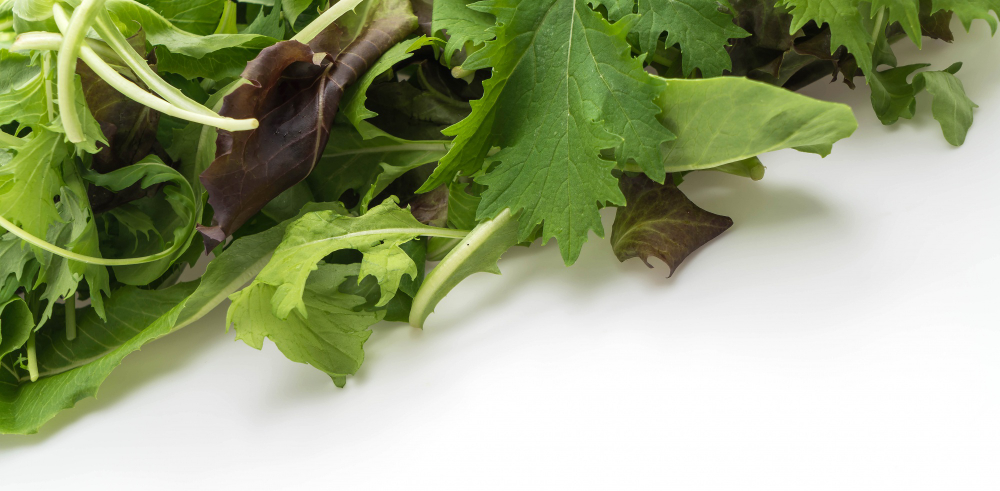
Oxalate sensitivity and kidney stones are closely linked because high-oxalate foods, like spinach and Swiss chard, can contribute to calcium oxalate stone formation in people who are prone to them. Choosing safer swaps for high-oxalate greens, such as kale, arugula, and romaine, lets you keep eating nutrient-rich vegetables while lowering your risk.
Hearing the words “kidney stones” from your doctor can feel overwhelming, especially when you love leafy greens and suddenly worry every salad is a risk. You are not alone in this. Many people managing oxalate sensitivity and kidney stones feel confused about which vegetables are safe and which ones to avoid. The good news is that you do not have to give up greens altogether. With the right safer swaps for high-oxalate greens, you can protect your kidneys while still enjoying meals that feel satisfying and familiar.
What Is the Link Between Oxalate Sensitivity and Kidney Stones?
Oxalate is a natural compound found in many plant foods. When oxalate combines with calcium in the urine, it can form calcium oxalate crystals, the most common type of kidney stone. For most people, this process never causes a problem. But if you have a history of kidney stones, your body may struggle to process high amounts of oxalate efficiently.
This is why oxalate sensitivity and kidney stones so often go hand in hand. Your loved one’s risk depends on factors like hydration, calcium intake, and genetics, not just how many greens are on the plate. That is why a personalized approach matters more than a blanket rule to “avoid all vegetables.”
Which Greens Are Highest in Oxalate?
Some of the most nutritious-looking greens are also the richest in oxalate. Common high-oxalate vegetables include:
- Spinach: One of the highest oxalate vegetables, even when cooked.
- Swiss chard: A frequent ingredient in soups and sautés that carries a high oxalate load.
- Beet greens: Often overlooked, but packed with oxalate.
- Rhubarb: Technically a vegetable, and notably high in oxalate.
Recognizing these foods is the first step. The next step is knowing what to use instead.
What Are the Best Safer Swaps for High-Oxalate Greens?
Finding safer swaps for high-oxalate greens does not mean sacrificing flavor or nutrition. These lower-oxalate options offer similar texture and versatility:
Instead of | Try This Swap | Why It Helps |
Spinach | Kale | Lower oxalate, similar cooking use |
Swiss chard | Romaine lettuce | Crisp texture, minimal oxalate |
Beet greens | Arugula | Peppery flavor, kidney-friendly |
Rhubarb | Cabbage | Versatile in cooked dishes |
These safer swaps for high-oxalate greens can slot directly into recipes you already know, from stir-fries to salads to smoothies.
How Can a Nutritionist Help You Manage Oxalate Intake?
Every person’s tolerance for oxalate is different, and guessing can lead to frustration or fear around eating. A nutritionist can review your health history, current medications, and hydration habits to build a plan that actually fits your life. Rather than cutting out entire food groups, a nutritionist helps you find balance.
If you are in New York, working with a nutritional consultant in Brooklyn gives you the added benefit of local, hands-on support. A nutritional consultant in Brooklyn can walk through your kitchen, review your grocery list, and suggest safer swaps for high-oxalate greens that match your household’s actual eating habits, not a generic chart from the internet.
Our Team Can Help You Find Balance
Worrying about every bite is exhausting, and your loved one deserves to eat without fear. We connect families with experienced nutrition professionals, including a nutritional consultant in Brooklyn, who understand how to manage oxalate sensitivity and kidney stones with care and clarity.
Reach out to our Nutrition team today by calling +1-718-367-2555 or visiting us at 1797 Pitkin Avenue, Brooklyn, NY 1121 to schedule a consultation and start building a food plan that keeps your loved one safe, nourished, and confident at every meal.