Cold weather tightens muscles and thickens joint fluid, making seniors’ feet stiffer and less stable on icy or wet surfaces. This stiffness raises fall risk during winter months. Supportive footwear, home safety changes, and gentle daily exercise improve winter traction and fall prevention.
Watching a parent or spouse hesitate at the top of icy steps is frightening, especially when they never used to think twice about it. Cold weather does more than chill the air. It tightens tendons, thickens the fluid that cushions joints, and leaves seniors’ feet stiffer and less responsive than they were in warmer months. That stiffness is not just uncomfortable. It is one of the leading reasons falls spike every winter among older adults.
You are not alone if you have noticed a loved one moving more cautiously once the temperature drops. Understanding why cold weather affects joint stiffness, and what you can do about it, is the first step toward keeping your loved one steady on their feet all season long.
How Cold Weather Causes Joint Stiffness in Seniors’ Feet
Cold weather does not just make feet feel chilly. It changes how joints move and how quickly muscles respond, and that shift matters more as we age.
The Biology Behind Cold-Weather Stiffness
When temperatures drop, blood vessels near the skin narrow to preserve core body heat. This reduces circulation to the feet, slowing the delivery of oxygen and nutrients that keep joints and soft tissue flexible. Synovial fluid, which lubricates the joints, also thickens in cold conditions, much like oil thickens in a cold engine. For seniors, whose circulation is often already reduced, this combination can make the feet feel noticeably stiffer and slower to warm up.
How Joint Stiffness Increases Fall Risk
Stiff joints change the way a person walks. Your loved one may take shorter, more hesitant steps, or shift weight unevenly to avoid discomfort. These small adjustments reduce balance and reaction time, which becomes dangerous on icy sidewalks or wet floors.
Winter Traction Tips for Fall Prevention
Small, intentional changes can meaningfully reduce the chance of a fall during the coldest months.
Choosing the Right Footwear for Seniors
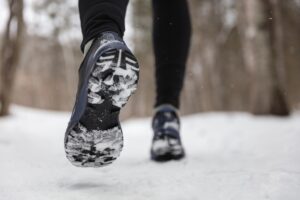
- Grip matters most: Look for shoes or boots with deep, non-slip treads designed specifically for ice and snow.
- Support over style: Choose footwear with a low, wide heel and firm ankle support rather than slip-on shoes that offer little stability.
- Insulation helps circulation: Warm, well-fitted shoes keep feet from stiffening further due to cold exposure.
Home and Outdoor Safety Modifications
- Clear walkways promptly: Snow and ice removal should happen before your loved one needs to step outside, not after.
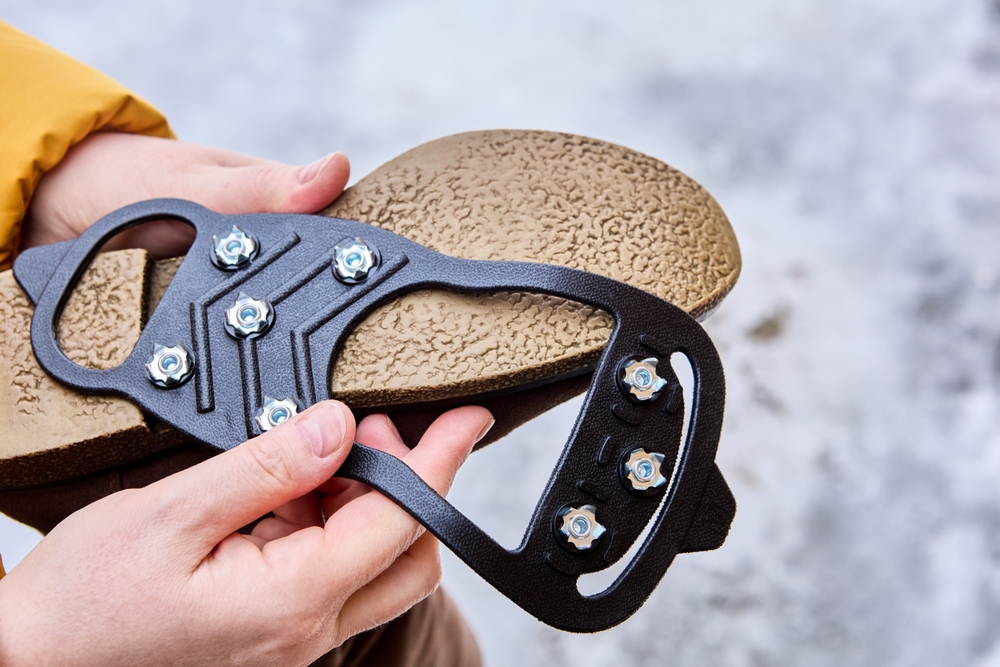
- Add traction aids: Ice grips that attach to shoes can provide extra stability on porches and driveways.
- Light the path: Motion-sensor lighting reduces the chance of missing a patch of ice in low visibility.
Exercises to Reduce Joint Stiffness and Improve Stability
Gentle movement keeps joints from tightening further and builds the strength needed to recover from a stumble. Ankle circles, toe raises, and seated calf stretches performed daily can loosen stiff joints and improve circulation to the feet. Standing balance exercises, done near a sturdy chair for support, help strengthen the small stabilizing muscles that prevent a stumble from becoming a fall. Even ten minutes a day, done consistently, can make a meaningful difference by midwinter.
When to See Podiatrists
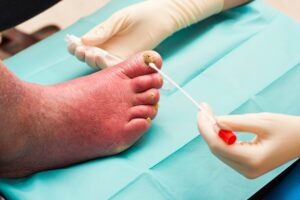
Not every ache needs a medical visit, but some signs call for prompt attention: if stiffness lasts well into the day, if your loved one experiences sharp pain while walking, or if a recent fall has caused swelling or bruising that does not improve. These signs can point to joint damage, nerve involvement, or a fracture that needs more than home care.
You do not have to guess whether winter stiffness is serious. A podiatrist can evaluate gait, circulation, and joint health, then build a plan suited to your loved one’s specific needs.
Staying Steady All Winter Long
Joint stiffness does not have to mean accepting a higher fall risk as an unavoidable part of winter. With the right footwear, home safety changes, and daily movement, your loved one can stay steady and confident even when temperatures drop.
Our podiatry team works with you to identify the cause of your pain and build a treatment plan suited to your lifestyle. Reach out to us today by calling +1-718-367-2555 or visiting us at 1797 Pitkin Avenue, Brooklyn, NY 11212, to schedule an evaluation and take the first step toward lasting relief.