Indoor heating sources like hot baths, heating pads, and fireplaces cause superficial veins near the skin’s surface to dilate, or widen, as the body tries to release excess heat. This increased blood flow can make varicose veins throb, swell, and feel heavier than usual. Cooling the legs, elevating them, and wearing compression stockings can ease the discomfort.
If your legs feel heavier and achier every time you step out of a hot bath, you are not imagining it. Heat has a direct, physical effect on the veins just beneath your skin, and for people living with varicose veins, that effect can be uncomfortable.
Indoor heating is a part of daily life, especially once the colder months arrive. Hot showers, heating pads, and a crackling fireplace all feel soothing. But for someone managing varicose veins, these same comforts can trigger swelling, throbbing, and visible bulging in the superficial veins of the legs.
How Indoor Heating Affects Superficial Veins
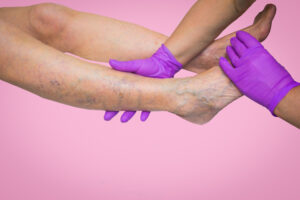
When your body is exposed to heat, it works to cool itself down. One of the ways it does this is by widening, or dilating, the superficial veins close to the skin. This brings more blood toward the surface, where heat can escape more easily. For most people, this process goes unnoticed. For someone with varicose veins, though, dilation puts extra pressure on veins that are already weakened or have faulty valves.
Hot Baths and Vein Dilation
A hot bath relaxes tired muscles, but it also relaxes and widens your varicose veins. As your blood vessels expand to release heat, blood can pool more easily in the legs. If you already have varicose veins, this pooling often brings on that familiar heaviness and throbbing sensation within minutes of stepping into warm water.
Heating Pads and Localized Heat Exposure
Heating pads target a specific area, which means the veins directly underneath that spot absorb concentrated heat. Over time, repeated localized heat exposure can worsen vein dilation in that region, making bulging veins more pronounced and tender to the touch.
Sitting Too Close to a Fireplace
A fireplace warms more than just the room. Sitting close to one for an extended period raises the skin temperature on your legs, prompting the same dilation response. Combined with sitting still, which already slows circulation, this can leave your legs feeling swollen and sore by the end of the evening.
Why Varicose Veins Dilate and Throb with Heat
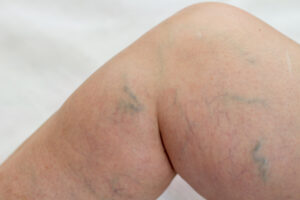
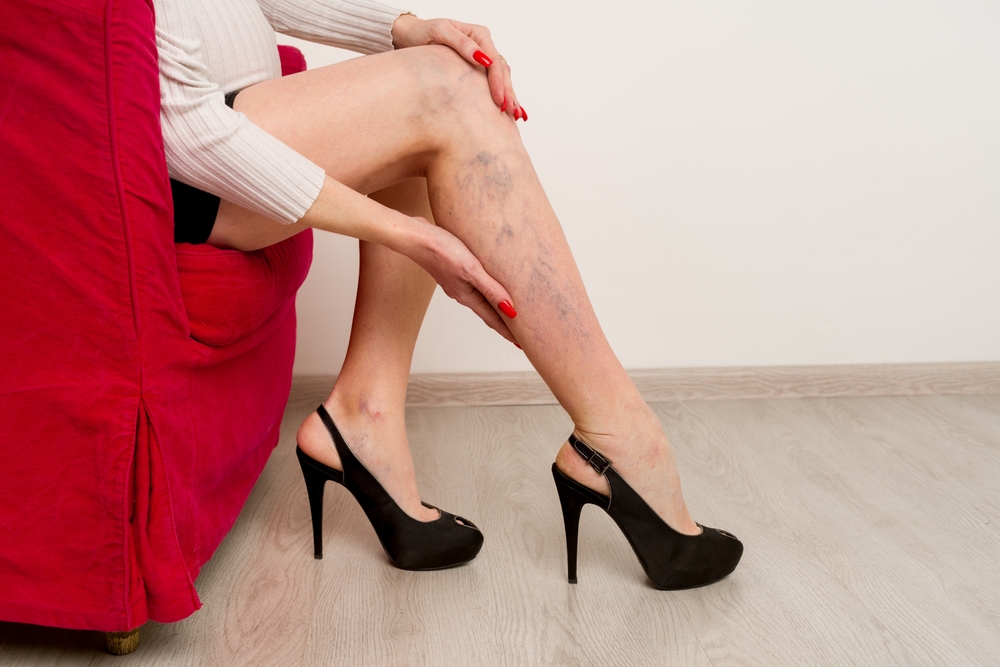
Varicose veins develop when the valves inside the veins weaken and no longer close properly. This allows blood to flow backward and collect, rather than moving efficiently back toward the heart. Add heat into the equation, and the vein walls widen further, giving blood even more room to pool. The result is that familiar throbbing, aching, and visible swelling many patients describe after a warm bath or a day spent near a heat source.
What You Can Do to Protect Your Veins
You do not have to give up warm baths or cozy evenings by the fire entirely. A few mindful adjustments can go a long way toward protecting your comfort:
- Limit heat exposure time. Keep baths and heating pad sessions short, and avoid sitting too close to direct heat sources for extended periods.
- Elevate your legs. Raising your legs above heart level after heat exposure helps blood flow back toward the heart and reduces pooling.
- Wear compression stockings. These provide gentle pressure that supports vein walls and counteracts dilation.
- Alternate with cool water. Finishing a warm shower with a brief cool rinse on your legs can help veins return to their normal size more quickly.
- Stay active. Walking and simple leg exercises keep blood circulating and reduce the chances of pooling, even on days you spend indoors.
If these habits are not enough to manage your discomfort, it may be time to speak with a varicose veins surgeon about long-term treatment options.
Protecting Your Veins Starts with the Right Guidance
Living with varicose veins does not mean you have to avoid the comforts of a warm home. With a few adjustments and the right medical support, you can manage symptoms and protect your vein health for the long term. Our vascular team is ready to walk you through a personalized vein care plan built around your lifestyle and health history.
Reach out today by calling +1-718-367-2555 or visiting us at 1797 Pitkin Avenue, Brooklyn, NY 1121 to schedule a consultation. You do not have to manage this alone, and help is closer than you think.