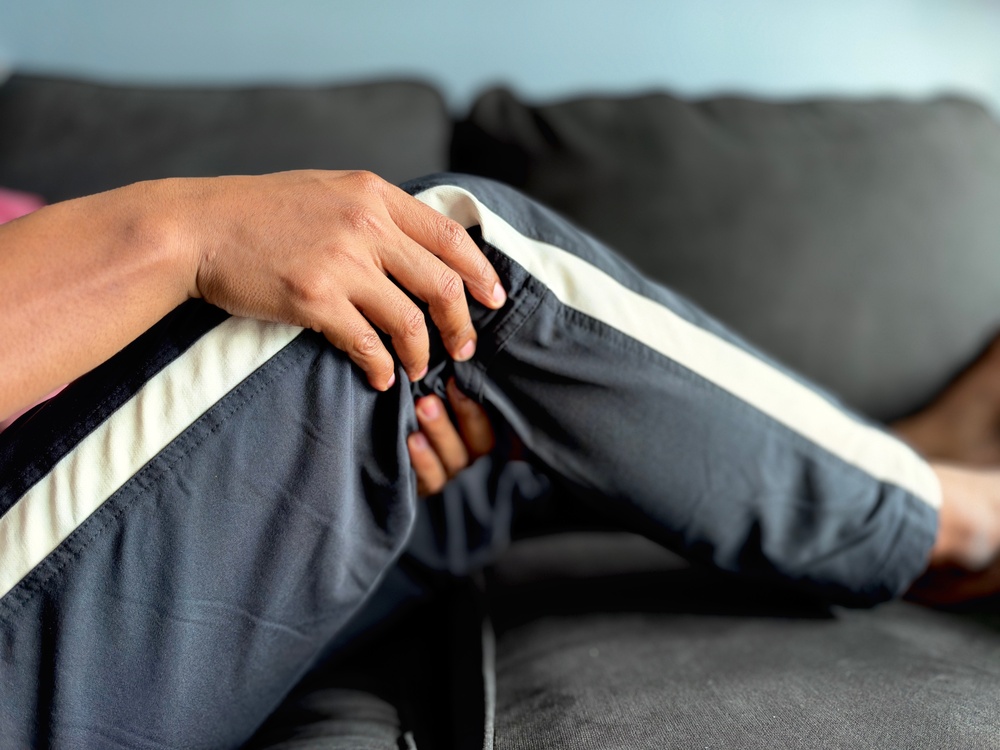
Chronic pain after knee replacement affects a meaningful share of patients and can stem from nerve sensitivity, soft tissue tension, infection, or pre-existing pain patterns. Relief often combines medication, physical therapy, and personalized pain management. Persistent pain, swelling, or warmth around the joint should prompt a call to your care team.
Knee replacement surgery is meant to restore mobility and ease the ache that brought you to the operating table in the first place. So when pain lingers well past the expected recovery window, it can feel discouraging, even frightening. You followed the recovery plan, you did the exercises, and the pain is still there.
You are not imagining it, and you are not alone. Chronic pain after knee replacement is a recognized concern, and understanding why it happens is the first step toward finding real relief. Working with a personalized pain management plan can help you move from frustration toward steadier, more dependable comfort.
Why Chronic Pain After Knee Replacement Happens
A new knee joint changes how your leg moves, and your body needs time to adjust. For some patients, that adjustment period stretches longer than expected, and discomfort settles in rather than fading.
Common Causes
- Modified kinematics: The artificial joint moves differently than your natural knee did, which can place new stress on surrounding muscles and tissue.
- Ligament tension: Tightness in the ligaments supporting the knee can create ongoing discomfort, especially during movement.
- Nerve sensitivity: Nerves near the surgical site may become overly reactive, sending pain signals even after tissue has healed.
- Infection risk: Though less common, infection around the implant can cause persistent pain and requires prompt medical attention.
- Pre-operative pain severity: Patients who experienced intense pain before surgery sometimes carry a higher risk of lingering discomfort afterward.
- Age, weight, and diabetes: Older age, higher body mass index, and diabetes can all slow healing and influence how your body responds to the new joint.
Symptoms and When to Be Concerned
Mild stiffness and occasional soreness can be a normal part of recovery. Pain that feels sharp, worsens over time, or comes with warmth, redness, swelling, or fever is different, and it deserves attention. These signs can point to infection or another complication that needs a clinician’s evaluation rather than at-home management.
Knee Pain Relief: What Can Help
Relief is possible, and it often comes from combining more than one approach rather than relying on a single fix.
Medications and Interventional Options
Your care team may start with anti-inflammatory medication or targeted nerve pain medication, depending on what is driving your symptoms. For pain that does not respond to medication alone, interventional options such as nerve blocks or joint injections may offer additional relief.
Physical Therapy and Supportive Care
Guided physical therapy helps rebuild strength and flexibility around the new joint, which can ease pressure on sensitive tissue. Staying active in ways that are safe for your recovery matters year-round, including during the colder months when icy conditions call for extra caution.
Finding Your Way Back to Comfort
Chronic pain after knee replacement does not mean something has gone permanently wrong. It often means your treatment plan needs adjusting, and that adjustment can make a real difference in your daily comfort.
If your current pain plan is not giving you the relief you need, our Pain Management team is ready to build a personalized approach with you. Reach out today by calling +1-718-367-2555 or visiting us at 1797 Pitkin Avenue, Brooklyn, NY 11212 to start finding steadier, more dependable comfort.