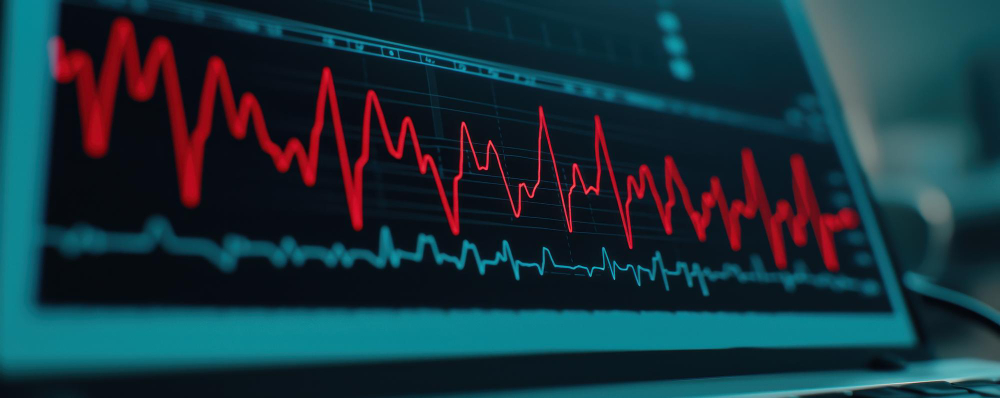
Abnormal ECG results can reflect a range of conditions, from minor electrical variations to more serious heart issues. Common findings include arrhythmias, ST changes, and bundle branch blocks. Understanding what each finding means helps you ask better questions and take the right next steps with a cardiologist.
Getting an abnormal ECG result can feel unsettling. You went in for a routine checkup, and now you are holding a report full of unfamiliar terms. The concern is understandable, and it is worth addressing directly: an abnormal ECG result does not automatically mean something is seriously wrong.
What it does mean is that your heart’s electrical activity showed a pattern outside the typical range. Some findings are minor and require only monitoring. Others point to conditions that benefit from timely evaluation. Knowing the difference starts with understanding what each result actually describes.
What Are Abnormal ECG Results?
An ECG, or electrocardiogram, records the electrical signals that travel through your heart with each beat. It captures this activity as a series of waves on a graph. When those waves fall outside expected patterns, the result is flagged as abnormal.
How an ECG Works
Each heartbeat begins with an electrical signal in the sinoatrial (SA) node, the heart’s natural pacemaker. That signal spreads across the heart in a predictable sequence, triggering the muscle contractions that pump blood. The ECG traces this sequence and records it visually.
Doctors read the shape, timing, and spacing of those waves to assess heart rate, rhythm, and the condition of the heart muscle itself.
Common Abnormal ECG Findings and What They Mean
Not all abnormal findings carry the same weight. Here is what the most frequently reported results actually indicate.
Arrhythmias
An arrhythmia is an irregular heart rhythm. The heart may beat too fast, too slow, or in an uneven pattern. Some arrhythmias, such as isolated premature beats, are common and benign. Others, like atrial fibrillation, increase the risk of stroke and require treatment. According to the American Heart Association, atrial fibrillation affects more than 6 million people in the United States and is a leading cause of stroke-related hospitalization.
ST Changes
The ST segment on an ECG reflects the period between the heart’s contraction and its recovery. Elevation or depression in this segment can indicate reduced blood flow to the heart muscle. ST elevation in particular is associated with a heart attack in progress and warrants immediate medical attention. ST depression may suggest ischemia, meaning the heart is not receiving enough oxygen during activity or at rest.
Bundle Branch Block
The electrical signal in the heart travels along specific pathways called bundle branches. When one of these pathways is blocked or delayed, the signal takes a detour, producing a characteristic wide pattern on the ECG. A right bundle branch block is often an incidental finding with no significant clinical impact. A left bundle branch block is more commonly associated with underlying heart disease and typically warrants further evaluation.
Left Ventricular Hypertrophy
This finding suggests the left ventricle, the heart’s main pumping chamber, has thickened over time. High blood pressure is the most common cause. Left ventricular hypertrophy increases the risk of heart failure and arrhythmia if the underlying cause goes untreated.
When to See a Cardiologist
An abnormal ECG result is a starting point, not a final answer. Your primary care provider may refer you to a cardiologist for follow-up testing, which often includes an echocardiogram, a stress test, or a 24-hour heart monitor.
Seek evaluation sooner rather than later if your abnormal result is accompanied by symptoms such as chest pain, shortness of breath, unexplained fatigue, dizziness, or fainting. These symptoms alongside an abnormal ECG finding suggest the heart may need prompt attention. Early evaluation gives you a clearer picture and, when needed, more treatment options.
Finding a Cardiology Clinic in Brooklyn
Access to specialist care should not feel like a barrier. If you are in the New York area, a cardiology clinic in Brooklyn can connect you with board-certified cardiologists who offer diagnostic testing, ongoing monitoring, and individualized cardiac care close to home.
Working with our cardiology clinic in Brooklyn means you have direct access to the evaluations you need, without long wait times or travel that adds stress to an already uncertain situation.
Take the Next Step
An abnormal ECG result deserves a proper evaluation by a qualified cardiologist. By understanding what your results mean and connecting with the right specialist, you put yourself in a much stronger position to protect your heart health long-term.
Our Cardiology team is here to help. Reach out today by calling +1-718-367-2555 or visiting us at 1797 Pitkin Avenue, Brooklyn, NY 11212 to learn about available cardiology services, specialist referrals, and care programs in your community.