Paroxysmal AFib is a type of atrial fibrillation that starts and stops on its own, often without warning. It is triggered by stress, alcohol, sleep deprivation, and other lifestyle factors. While episodes resolve on their own, paroxysmal AFib still raises stroke risk and warrants evaluation by a cardiologist.
Noticing your heart suddenly beating in a strange, fluttering rhythm is unsettling. You may feel it for a few minutes, or a few hours, and then it stops just as unexpectedly as it started. That pattern has a name: paroxysmal AFib.
Paroxysmal AFib is one of the most common forms of atrial fibrillation, and the fact that it comes and goes can make it easy to dismiss. Many people assume that if the episode resolved on its own, it was probably nothing serious. That assumption is worth revisiting.
What Is Paroxysmal AFib?
Atrial fibrillation is an irregular heart rhythm caused by chaotic electrical signals in the upper chambers of the heart. Instead of beating in a coordinated pattern, the atria quiver rapidly, which disrupts the heart’s normal pumping action.
Paroxysmal AFib is the term used when these episodes start and stop on their own, typically within seven days. Between episodes, the heart returns to a normal rhythm without any medical intervention.
How Paroxysmal AFib Differs from Other Types of AFib
AFib is generally categorized by how long episodes last and whether they resolve without treatment.
- Paroxysmal AFib comes and goes on its own, lasting anywhere from seconds to several days.
- Persistent AFib lasts longer than seven days and requires medical treatment to restore normal rhythm.
- Long-standing persistent AFib continues for more than a year.
- Permanent AFib is ongoing and no longer responds to rhythm-restoring treatment.
Paroxysmal AFib is often the earliest stage. Without proper management, it can progress to a more persistent form over time.
Why Paroxysmal AFib Comes and Goes
The intermittent nature of paroxysmal AFib comes down to how the heart’s electrical system responds to certain conditions. Abnormal electrical signals, often originating near the pulmonary veins, can fire at irregular intervals and temporarily disrupt normal rhythm.
Common Triggers
Many people find that their episodes follow a recognizable pattern. Identifying your triggers is one of the most practical steps you can take toward managing this condition.
- Alcohol consumption, even in moderate amounts, is one of the most well-documented triggers.
- Sleep deprivation can disrupt the nervous system signals that regulate heart rhythm.
- Caffeine and stimulants may provoke episodes in sensitive individuals.
- Stress and anxiety activate the sympathetic nervous system, increasing the risk of abnormal electrical activity.
- Strenuous exercise can trigger episodes, though regular moderate exercise is generally protective over time.
- Dehydration and electrolyte imbalances affect the electrical environment of the heart.
Not every episode will have a clear cause. Some occur without any obvious trigger at all.
Symptoms to Watch For
Paroxysmal AFib does not always cause obvious symptoms. Some people have no awareness of their episodes at all, while others feel them clearly.
Symptoms, when present, may include:
- Heart palpitations or a fluttering sensation in the chest
- Shortness of breath, especially with activity
- Fatigue or unusual tiredness
- Dizziness or lightheadedness
- Chest discomfort or pressure
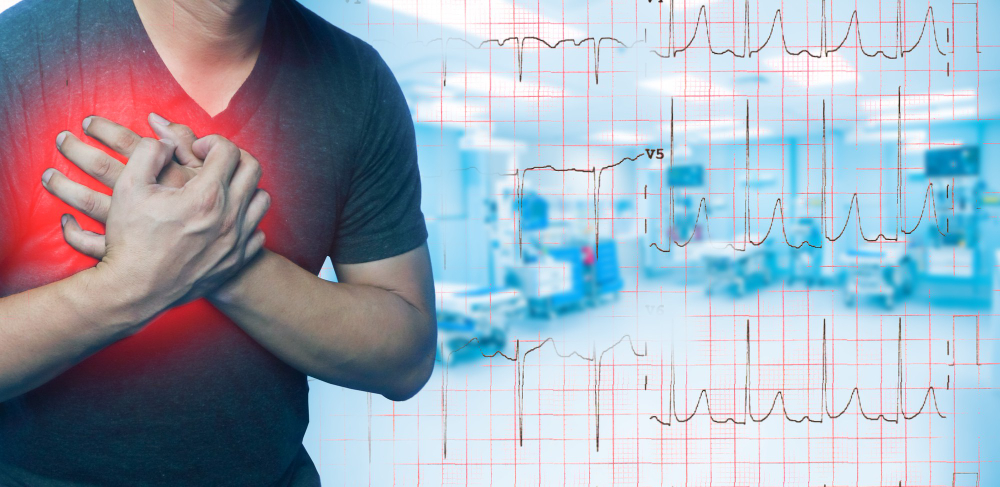
Because symptoms come and go, it is common for paroxysmal AFib to go undetected for a long time. A routine ECG captured during an episode can confirm the diagnosis, though a wearable heart monitor worn over 24 to 48 hours is often more reliable for catching intermittent episodes.
When to See a Cardiologist
The fact that episodes resolve on their own does not mean paroxysmal AFib is harmless. AFib, in all its forms, increases the risk of stroke because the irregular rhythm allows blood to pool in the atria and form clots. According to the American Heart Association, people with AFib are five times more likely to experience a stroke than those without it.
A cardiologist can assess your individual stroke risk, recommend appropriate medication or lifestyle changes, and determine whether further intervention is needed. If you are experiencing symptoms like chest pain, fainting, or severe shortness of breath during an episode, seek care promptly.
Take the Next Step
Paroxysmal AFib is manageable. By understanding why episodes occur and working with a cardiologist, you can take meaningful steps to reduce your risk and protect your heart.
Our Cardiology team is here to help. Reach out today by calling +1-718-367-2555 or visiting us at 1797 Pitkin Avenue, Brooklyn, NY 11212 to learn about cardiology services, specialist referrals, and care programs available in your community.