Angioplasty care involves preparing for, undergoing, and recovering from a procedure that uses a small balloon catheter to widen narrowed or blocked arteries. The balloon presses plaque against the artery walls, restoring healthy blood flow. Patients typically go home within a day and follow a short recovery plan involving medication, activity limits, and cardiac rehab.
Heart disease remains one of the leading health concerns in the United States, and many patients eventually need a procedure to restore proper blood flow. Angioplasty care is designed to do exactly that. This minimally invasive treatment uses balloon catheters to open blocked or narrowed arteries, helping blood move freely to the heart and other vital organs.
If you or a loved one has been referred for this procedure, understanding how balloon catheters open vessels can ease a lot of uncertainty. This guide walks through what to expect before, during, and after your appointment, along with the risks a cardiologist may discuss with you beforehand.
How Balloon Catheters Open Vessels
Angioplasty is a procedure that treats narrowed or blocked arteries, often caused by a buildup of plaque. A thin tube called a catheter is guided through a blood vessel, usually starting at the wrist or groin, until it reaches the blocked area. A small balloon at the tip of the catheter is then inflated, pressing the plaque against the artery walls and widening the vessel so blood can flow more easily.
Types of Angioplasty
There are a few common types of angioplasty, including:
- Balloon angioplasty, which uses inflation alone to widen the artery
- Angioplasty with stenting, where a small mesh tube is left in place to help keep the artery open
- Drug-eluting stent angioplasty, which slowly releases medication to reduce the chance of the artery narrowing again
Step-by-Step: What Happens During the Procedure
- A local anesthetic numbs the insertion site.
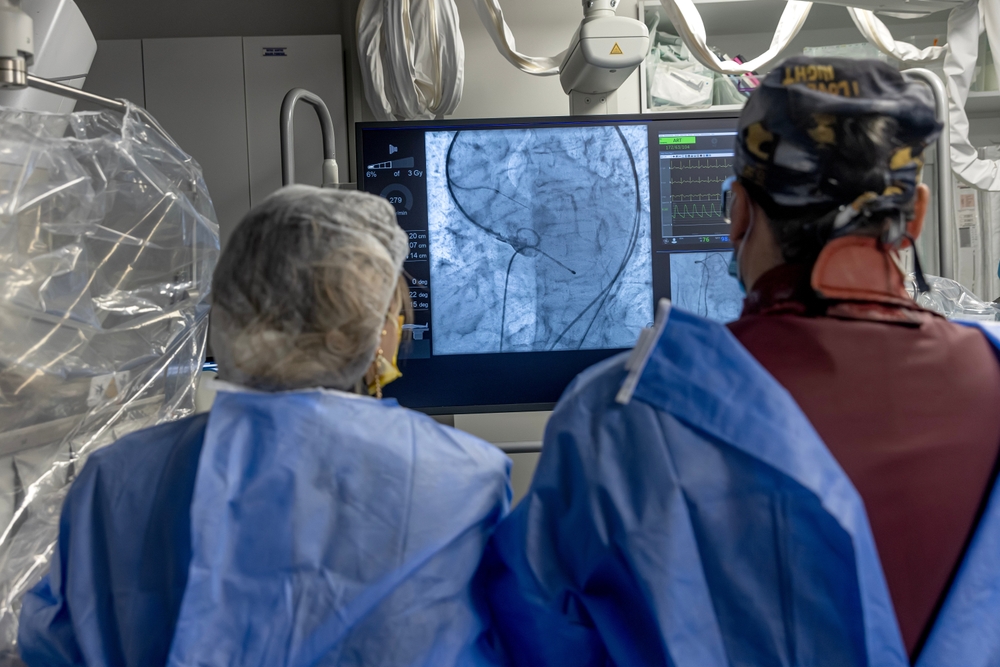
- The cardiologist inserts a catheter into the artery and guides it to the blocked area using live X-ray imaging.
- The balloon is inflated to widen the vessel.
- If needed, a stent is placed to hold the artery open.
- The catheter is removed, and the insertion site is bandaged.
Most procedures take between 30 minutes and two hours, depending on the number of blockages being treated.
Angioplasty Care: Before the Procedure
Preparing properly can make the process smoother and safer. Your care team will typically ask you to:
- Avoid eating or drinking for several hours beforehand
- Share a full list of current medications, especially blood thinners
- Arrange for a ride home, since driving isn’t allowed right after the procedure
- Ask questions about anesthesia, recovery time, and what to expect afterward
Angioplasty Care: After the Procedure
Recovery from angioplasty is usually quick, but a few precautions help prevent complications.
- Rest is important for the first 24 hours, and patients are often asked to keep the treated limb straight if the catheter entered through the leg.
- Medications, including blood thinners, are commonly prescribed to lower the risk of blood clots. Take them exactly as directed.
- Activity restrictions typically include avoiding heavy lifting or strenuous exercise for about a week.
- Cardiac rehab is often recommended after angioplasty. This structured program includes supervised exercise, nutrition guidance, and support to help protect long-term heart health.
When to Call Your Doctor
Contact your cardiologist right away if you notice:
- Swelling, bleeding, or increasing pain at the insertion site
- Signs of infection, such as redness or fever
- Chest pain, shortness of breath, or dizziness
- Numbness or coldness in the treated limb
Risks to Know
Angioplasty is generally safe, but like any medical procedure, it carries some risk. These can include bleeding at the catheter site, blood vessel damage, allergic reaction to the contrast dye, or in rare cases, the artery narrowing again over time. Discussing your personal health history with a cardiologist beforehand can help determine whether angioplasty is the right choice for you.
Take the Next Step in Your Heart Health
Angioplasty care combines a proven procedure with a straightforward recovery plan, giving patients a clear path back to better heart health. If you’re experiencing symptoms of a blocked artery or want to learn more about your treatment options, our Cardiology team is here to help. Reach out today by calling +1-718-367-2555 or visiting us at 1797 Pitkin Avenue, Brooklyn, NY 1121 to schedule a consultation and take the next step toward a healthier heart.