Before exercise
Blood sugar ranges can vary from person to person. So, before starting your fitness program, talk with your doctor about what kind of fitness program you should follow and what its impact is on blood sugar levels. Doctors can also tell what time is best to work out and how it affects your medication (and blood sugar levels) as you become more active.
To get the best health results, experts suggest performing 150 minutes (about 2 and a half hours) a week of moderately intense workouts which include bicycling, lap swimming, and fast walking. And if children are diagnosed with diabetes, they should perform at least 60 minutes of moderate to intense physical activity every day.
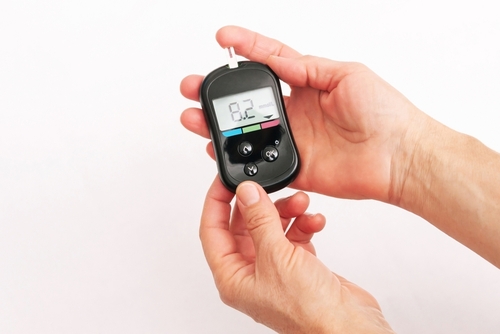
Keep in mind, if you take insulin or other medication before a workout that can lead to low blood sugar levels, so you need to test your blood sugar 15 to 30 minutes before your workout. In case you don’t take medications for your diabetes, then you may not need to take any precautions before exercising, but you should discuss it with your doctor.
Here are some general guidelines you can follow before exercise to manage your blood sugar levels:
- Lower than 100 milligrams per deciliter (mg/dL): If your blood sugar is too low to exercise safely then you should eat a snack that contains 15 to 30 grams of carbohydrates such as fruit, crackers, or even some glucose tablets before your workout.
- 100 to 250 mg/dL: Your blood sugar levels are just in the right range for a workout. This is the safe pre-workout blood sugar range for most people.
- 250 mg/dL or higher: This is a dangerous zone for your blood sugar level which needs to be lowered to exercise safely. Before workouts, check your urine ketones (a substance only produced when your body starts breaking body fat for energy). The presence of ketones in your urine indicates your body is producing less insulin to manage your blood sugar level. And if you work out with ketoacidosis in your blood then you may increase the risk of ketoacidosis – a serious condition of diabetes that requires immediate treatment. So, instead of exercising, you should take preventative measures to reduce high blood levels, wait until the ketone disappears from your urine in the ketone test, and then work out.
During Exercise: How to Monitor Blood Sugar Ranges Safely
Maintaining safe blood sugar ranges during exercise is crucial, especially for individuals with diabetes. Physical activity increases insulin sensitivity and promotes glucose uptake by the muscles, which can lead to a drop in blood sugar levels—sometimes dangerously low. That’s why constant monitoring is essential during workouts.
If you’re planning a workout that lasts longer than 30 minutes or involves high-intensity activity, it’s recommended to check your blood sugar ranges every 15 to 30 minutes. This is particularly important if you’re trying a new type of exercise or increasing the intensity or duration of your routine. Tracking these changes helps you stay aware of whether your blood sugar is stable, dropping, or spiking—allowing you to adjust your activity safely.
We understand that monitoring blood sugar ranges outdoors or while playing sports may feel inconvenient. But until you’re familiar with how your body responds to different workouts, it’s vital to take these precautions seriously. Over time, you’ll get a better sense of your body’s patterns and might reduce how often you need to check.
Watch for Low Blood Sugar Symptoms
If your blood sugar level drops to 70 mg/dL or lower, or if you start to feel warning signs such as shakiness, dizziness, weakness, confusion, sweating, or light-headedness, pause your exercise immediately. Continuing while in this state can be dangerous.
To bring your blood sugar back to a safe range, consume a fast-acting carbohydrate source. Aim for 15 grams of carbs using one of the following options:
Glucose tablets or glucose gel (check the label for carb content per serving).
½ cup of regular (non-diet) soda or 100% fruit juice.
A small handful of hard candy, candy corn, jellybeans, or similar—again, verify the sugar content on the label.
Follow the 15-15 Rule
After consuming a snack, wait 15 minutes and recheck your blood sugar level. If it’s still below 70 mg/dL, consume another 15-gram carbohydrate snack. Continue this process until your blood sugar range rises above the 70 mg/dL threshold. Once your levels are back in a safe zone, you can resume exercising if you feel well.
Maintaining proper blood sugar ranges during physical activity isn’t just about preventing lows—it’s about ensuring long-term safety and performance. The more you track and respond to your body’s cues, the more confident and capable you’ll feel during any workout.
After Exercise: Monitoring Blood Sugar Ranges for Recovery and Safety
Once you finish your workout, your job isn’t done—especially when it comes to managing blood sugar ranges. Physical activity continues to affect the body even after you stop moving, and for people with diabetes, this means staying alert to post-exercise blood sugar drops.
It’s important to check your blood sugar ranges immediately after exercise, and then monitor them regularly over the next 4 to 8 hours. This is because your muscles, which store glucose during exercise, continue using sugar from the bloodstream as they recover and repair. This process can cause a delayed drop in blood glucose levels, especially after intense or prolonged workouts.
Why Blood Sugar Drops After Exercise
The more strenuous the activity, the more your body taps into stored glucose, both during and after the workout. If your blood sugar range falls too low, it may lead to hypoglycemia—even hours later. This phenomenon is known as post-exercise hypoglycemia, and it’s a common concern for people with diabetes who engage in moderate to vigorous exercise.
To prevent this, experts recommend eating a snack with slow-digesting (low-glycemic index) carbohydrates shortly after working out. Some great options include:
Trail mix with nuts and dried fruit
A granola bar with fiber and healthy fats
Whole grain toast with nut butter
A small portion of oatmeal or yogurt with berries
These snacks help stabilize your blood sugar ranges and keep them from dipping too low as your body continues recovering.
What to Do If Blood Sugar Is Already Low After a Workout
If you check your levels and find that your blood sugar range is below 70 mg/dL, take quick action. Opt for a fast-acting carbohydrate source—such as juice, glucose tablets, or regular soda—to raise your levels quickly. After 15 minutes, recheck your blood sugar. If it’s still low, repeat with another 15g carbohydrate snack until your blood sugar range reaches a safe level (above 70 mg/dL).
Once your levels stabilize, it’s still a good idea to eat a snack with protein and slow carbs to maintain a steady glucose range for the hours to come.
If you need advice from a diabetologist for diabetes medication? If you need help with diabetes diagnosis, visit our clinic at 1797 Pitkin Avenue, Brooklyn, New York 11212. Our doctors can check your symptoms and tests will be done in our hospital. So that, it becomes easy for you that you don’t have to go to other labs for testing. After the condition is diagnosed in your test, our doctors will create a treatment plan to make you better or to help you manage your condition easily. Call us on +1-347-384-5690.