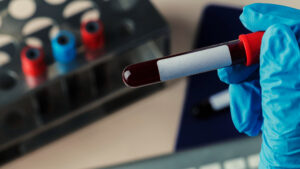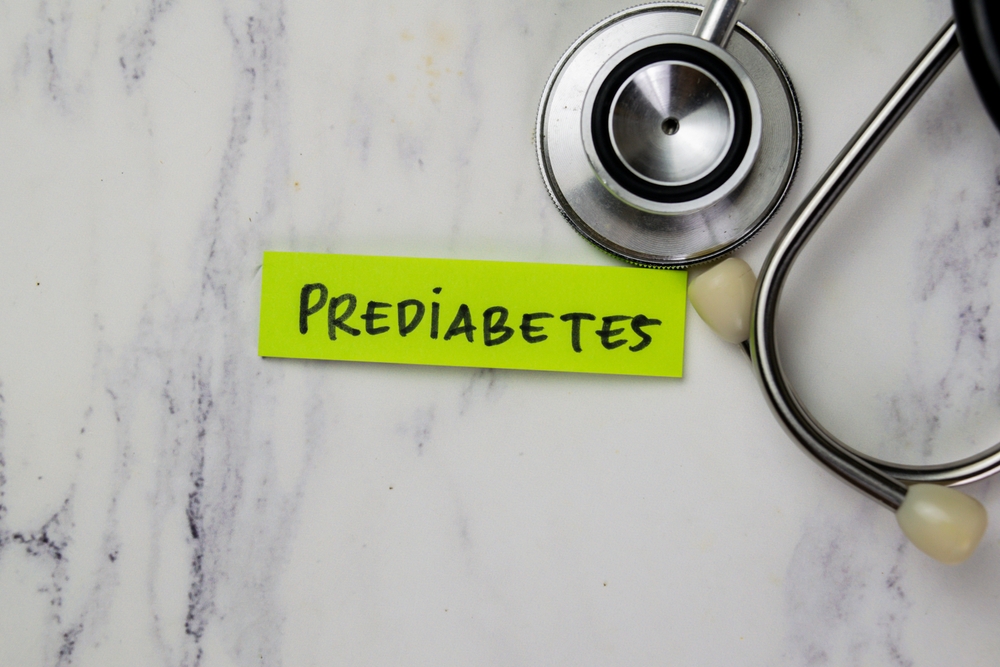
It is a diagnosis that millions of people receive every year, yet it often comes as a complete surprise. You might feel fine, look healthy, and have no idea that your blood sugar levels are creeping into the danger zone. This condition is called prediabetes—often referred to as borderline diabetes—and it is a critical wake-up call from your body. Understanding the 5 facts about prediabetes you should know can be the difference between developing type 2 diabetes and reversing the course entirely. While prediabetes symptoms can be subtle, ignoring them can lead to serious long-term health consequences. This article breaks down the essential facts to empower you to take charge of your health today. At Doral Health & Wellness, we have all the answers you need.
- It Is More Common Than You Think
One of the 5 most startling facts about prediabetes you should know is just how widespread it is. According to the CDC, approximately 1 in 3 American adults has prediabetes. The most alarming part? More than 80% of them do not know they have it.
This condition acts as a silent precursor to type 2 diabetes. It means your blood sugar levels are higher than normal but not yet high enough to be classified as diabetes. Without intervention, many people with prediabetes will develop type 2 diabetes within five years.
- Prediabetes Symptoms Are Often Silent
Unlike other conditions that announce themselves with pain or discomfort, prediabetes often flies under the radar. This “invisibility” is why regular check-ups with a diabetologist are so important. However, there are subtle signs to watch for.
The “Dark” Warning Sign
One specific symptom is acanthosis nigricans. This involves the darkening of skin in certain areas of the body, such as:
- The neck
- Armpits
- Elbows
- Knees
If you notice these changes or if you experience classic prediabetes symptoms like increased thirst or fatigue, it is vital to consult a professional. Residents in New York can schedule a screening at a local endocrinology clinic in Brooklyn to get accurate answers.
- It Is Reversible
This is the most hopeful fact of all: a diagnosis of prediabetes is not a life sentence. It is an opportunity. Unlike type 2 diabetes, which is a chronic condition that requires lifelong management, prediabetes can often be reversed.
Lifestyle as Medicine
Making simple, sustainable changes can bring your blood sugar levels back to a normal range.
- Weight Loss: Losing just 5% to 7% of your body weight can significantly lower your risk.
- Activity: Aim for at least 30 minutes of moderate physical activity, like brisk walking, five days a week.
- Diet: Focus on whole foods, fiber, and reducing sugary beverages.
Working with a specialized endocrinology clinic in Brooklyn can provide you with the nutritional guidance and medical support needed to make these changes stick.
- Risk Factors Go Beyond Sugar Intake
While a high-sugar diet is a major contributor, it is not the only risk factor. Genetics and family history play a massive role. If you have a parent or sibling with type 2 diabetes, your risk increases.
Other significant risk factors include:
- Being overweight or obese.
- Being 45 or older.
- Physical inactivity.
- Having had gestational diabetes during pregnancy.
A qualified diabetologist can assess your personal risk profile and recommend a screening schedule that makes sense for you.
- Early Action Protects Your Organs
Waiting until you have full-blown diabetes to take action puts your body at risk for long-term damage. High blood sugar, even at prediabetic levels, can silently begin to damage your blood vessels, kidneys, and eyes. Taking action now protects your heart and circulatory system later.
This is why the phrase “borderline” can be misleading—it implies safety, but it actually signals an urgent need for preventative care.
Knowledge is your best defense against chronic illness. By understanding these 5 facts about prediabetes that you should know, you are already one step ahead. Do not wait for severe prediabetes symptoms to appear before seeking help. Early detection and lifestyle changes are powerful tools that can help you turn your health around.
If you have risk factors or are concerned about your blood sugar, contact the Department of Endocrinology today. Schedule a consultation with a top diabetologist or visit our endocrinology clinic in Brooklyn to start your journey toward better health. To book your appointment now, call us on + 1-718-367-2555 to get your condition treated! Learn more about Diabetes at www.doralhw.org. and stay up to date on current health topics and new research. If you need help, register your information and make direct contact with us at https://yuz88hfiyh7.typeform.com/Doralintake. Or visit us at 1797 Pitkin Avenue, Brooklyn, NY 11212.