Painful bunions can make every step feel like a chore. When conservative treatments no longer bring relief, bunion surgery, also called a bunionectomy, may be the path toward walking comfortably again. It is a big decision, and you deserve to feel prepared for what comes next.
Recovery is where many patients feel uncertain. The days and weeks after surgery come with a “non-weight window,” a period when you must keep pressure off your healing foot. This can feel frustrating, especially if you are used to staying active.
You are not alone in this. With the right plan, the right support, and clear guidance from your care team, you can move through recovery with confidence. Here is what you need to know.
Understanding the Non-Weight Window
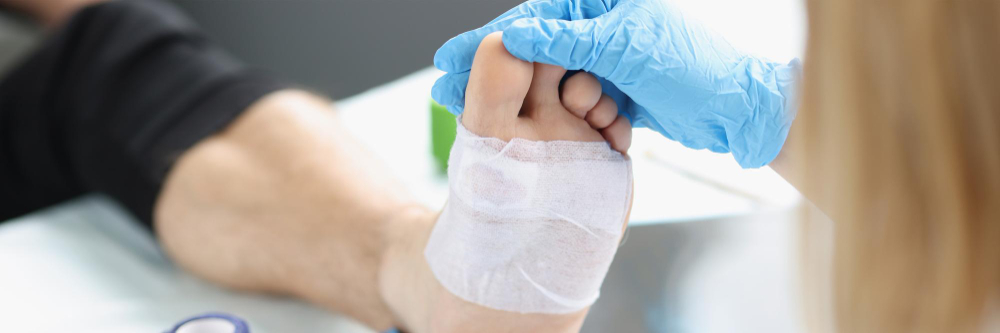
After a bunionectomy, your foot needs time to heal. The bones, soft tissue, and surgical site all require rest to recover properly. Putting weight on your foot too soon can slow healing or cause complications.
This is why your surgeon or foot doctor will ask you to stay off the foot for a set period. The exact timeline depends on the type of bunion surgery you had and how your body responds.
Most patients follow a general recovery path:
- Weeks 1–2: Rest and elevation are the priority. You will likely use crutches, a knee scooter, or a surgical boot to stay mobile without bearing weight.
- Weeks 3–6: Your podiatrist may allow partial weight-bearing, often with a protective boot.
- Weeks 6 and beyond: Gradual return to normal shoes and activity, guided by your foot doctor.
If you are recovering at home, our in-home recovery support can help you stay safe during these early weeks when getting around is hardest.
Making Recovery Easier at Home
The non-weight window is not just about your foot. It affects your whole routine. Simple tasks like reaching the bathroom or preparing a meal can suddenly feel overwhelming.
A little planning goes a long way. Here are ways to protect your healing and your peace of mind:
- Set up a recovery station. Keep water, medications, and daily essentials within arm’s reach.
- Elevate often. Raising your foot above heart level helps reduce swelling and pain.
- Follow your medication schedule. Staying on track supports both comfort and healing.
- Ask for help. Whether it is a family member or a home care nurse, support makes recovery smoother.
When to Call Your Care Team
Some discomfort is normal. But certain signs need prompt attention.
Reach out to your podiatrist right away if you notice:
- Sudden or worsening pain
- Swelling that does not improve with elevation
- Signs of infection, such as warmth, drainage, or fever
- Numbness or tingling in the toes
Trust your instincts. If something feels wrong, it is always better to ask.
Choosing the Right Bunion Treatment Path
Not every bunion needs surgery. Many people find relief through conservative bunion treatment first, such as wider shoes, orthotics, or physical therapy.
When those options no longer help, surgery can restore comfort and mobility. The key is working with a trusted foot doctor who explains your choices clearly and builds a plan around your needs.
Take the Next Step Toward Comfort
Living with painful bunions is exhausting. You do not have to keep pushing through the pain, and you do not have to face recovery alone.
Our Podiatry care team is ready to guide you through every stage, from your first consultation to your final follow-up. Reach out today by calling +1 718 367 2555 or visit us at 1797 Pitkin Avenue, New York, NY 11212 to explore your bunion treatment options and get personalized support at home.