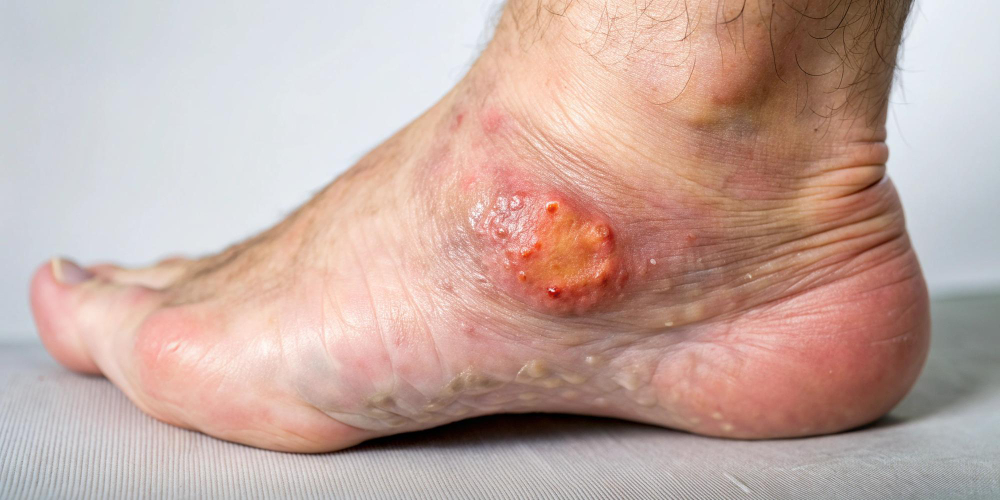
A small blister. A cut you never noticed. For someone living with diabetes, these tiny problems can turn into something serious fast. Foot ulcers are one of the most common and frightening complications of the disease, and they often start without any pain at all.
Here is the good news. Most foot ulcers can be prevented. Smart foot care for diabetics, paired with regular checkups, dramatically lowers your risk and helps you stay active and independent.
This guide walks you through the why and the how. You will learn what causes these wounds, the daily habits that protect you, and when to call a professional. With the right plan, you can protect your feet and your peace of mind.
Why Diabetic Foot Care and Complications Go Hand in Hand
High blood sugar damages two things over time: your nerves and your blood flow. That combination is exactly what makes diabetic foot care and complications so closely linked.
Nerve damage, called neuropathy, dulls feeling in your feet. You may not notice a pebble in your shoe or a small sore forming. Poor circulation then slows healing, so a minor wound can grow into an ulcer before you realize anything is wrong.
This is why daily attention matters so much. Catching problems early keeps small issues from becoming dangerous ones.
Daily Habits That Protect Your Feet
You do not need complicated tools to care for your feet. A few simple routines, done consistently, make a real difference. Many of these habits pair well with the medication and blood sugar support offered through in-home nursing care, which keeps your overall health on track.
Build these steps into your day:
- Inspect daily. Check the tops, soles, and between your toes for cuts, redness, blisters, or swelling. Use a mirror or ask a loved one for help.
- Wash and dry gently. Use warm water, never hot, and dry carefully between the toes to prevent fungal infections.
- Moisturize wisely. Apply lotion to dry areas, but skip the spaces between your toes where moisture can build up.
- Trim nails straight across. This prevents painful ingrown nails that can become infected.
- Never go barefoot. Wear supportive shoes and clean, dry socks, even indoors.
These small actions are your first line of defense. They take only minutes, and they work.
Managing Blood Sugar and Circulation
Keeping blood sugar within your target range is one of the strongest steps you can take. Stable glucose protects your nerves and supports healing.
Movement helps too. Gentle activity like walking improves circulation in your feet. If you are recovering from surgery or managing limited mobility, our guide to staying safe after hospital discharge offers practical tips for staying active without overdoing it.
When to See a Foot Doctor
Some signs need a professional eye right away. Knowing them helps you act before a wound worsens.
Call a podiatrist if you notice:
- A sore or cut that will not heal
- Swelling, warmth, or drainage
- Numbness, tingling, or changes in skin color
- Any wound that looks infected
A foot doctor can treat early problems, manage calluses safely, and fit you for protective footwear. Regular visits to a podiatrist also catch issues you simply cannot see or feel on your own.
You are not meant to manage this alone. Help is close, and it works.
Protect Your Feet
Foot and ankle care is one of the most powerful tools you have against diabetic complications. Daily habits, steady blood sugar, and professional support form a plan you can trust.
If you or a loved one is living with diabetes, do not wait for a problem to appear. Reach out today by calling +1 718 367 2555 or visit us at 1797 Pitkin Avenue, New York, NY 11212 to schedule a Podiatry appointment and put expert, compassionate foot care to work for your family.