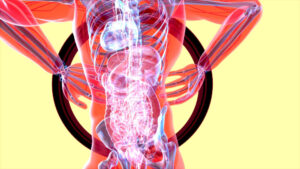
Celiac disease signs often start small: bloating, fatigue, or stomach pain after eating gluten. Left unaddressed, this immune reaction damages the lining of the small intestine, making it harder to absorb nutrients. Catching celiac disease signs early and working with a nutritionist can protect your gut and your long-term health.
Noticing changes in your body, or in someone you love, can feel unsettling. Maybe it’s frequent stomach pain after meals. Maybe it’s unexplained fatigue that never seems to lift. When these symptoms keep showing up, it’s worth asking whether gluten could be the cause.
Celiac disease signs are not always obvious, and they can look different depending on age and overall health. Understanding what to watch for gives you the information you need to seek help sooner rather than later.
What Are the Early Signs of Celiac Disease?
Celiac disease is an autoimmune condition triggered by gluten, a protein found in wheat, barley, and rye. When someone with celiac disease eats gluten, their immune system attacks the small intestine.
Common early signs include:
- Digestive discomfort. Bloating, gas, diarrhea, or constipation after eating gluten-containing foods.
- Persistent fatigue. Feeling tired even after adequate rest.
- Unexplained weight loss. Losing weight without changes to diet or activity.
- Skin changes. An itchy rash known as dermatitis herpetiformis can appear on the elbows, knees, or scalp.
- Mood changes. Irritability or brain fog that seems to come and go with meals.
These signs can be easy to dismiss as everyday stress or a sensitive stomach. That is exactly why they often go unnoticed for years.
How Does Celiac Disease Damage the Gut?
Celiac disease signs are the body’s way of signaling deeper harm. When gluten triggers an immune response, it flattens the tiny, finger-like structures in the small intestine called villi. These structures are responsible for absorbing nutrients from food.
Damaged villi mean your body struggles to absorb iron, calcium, and vitamin D, even if your diet includes plenty of these nutrients. Over time, this can lead to anemia, weakened bones, and other complications tied to poor nutrition.
Celiac Disease Signs in Older Adults
Age can change how celiac disease shows up. Your loved one may not experience classic digestive symptoms at all. Instead, they might show signs like joint pain, osteoporosis, or unexplained anemia.
This makes celiac disease signs easy to miss in older adults, especially when other health conditions are already part of the picture. A thorough conversation with a nutritionist can help separate celiac-related symptoms from normal signs of aging.
When Should You See a Nutritionist for Celiac Disease Signs?
If digestive symptoms, fatigue, or nutrient deficiencies keep showing up without a clear explanation, it may be time to speak with a nutritionist. Diagnosis typically involves blood tests and, in some cases, a small intestine biopsy, but a nutritionist can help you track symptoms and prepare for that conversation with your doctor.
A nutritional consultant in Brooklyn working alongside your home care team can also help build a gluten-free eating plan that still meets your family’s nutritional needs. This support becomes especially valuable after a new diagnosis, when adjusting to a gluten-free lifestyle can feel overwhelming.
Bringing a food and symptom journal to your first visit gives your nutritionist a clearer picture of what your body is experiencing.
You Do Not Have to Figure This Out Alone
Living with celiac disease signs, or caring for someone who is, takes patience and the right support. With guidance from a nutritionist, you can protect gut health and rebuild confidence around food.
Our Nutrition team is here to help your family recognize celiac disease signs early and build a nutrition plan that supports lasting health. Reach out to us today by calling +1-718-367-2555 or visiting us at 1797 Pitkin Avenue, Brooklyn, NY 1121to book your consultation.