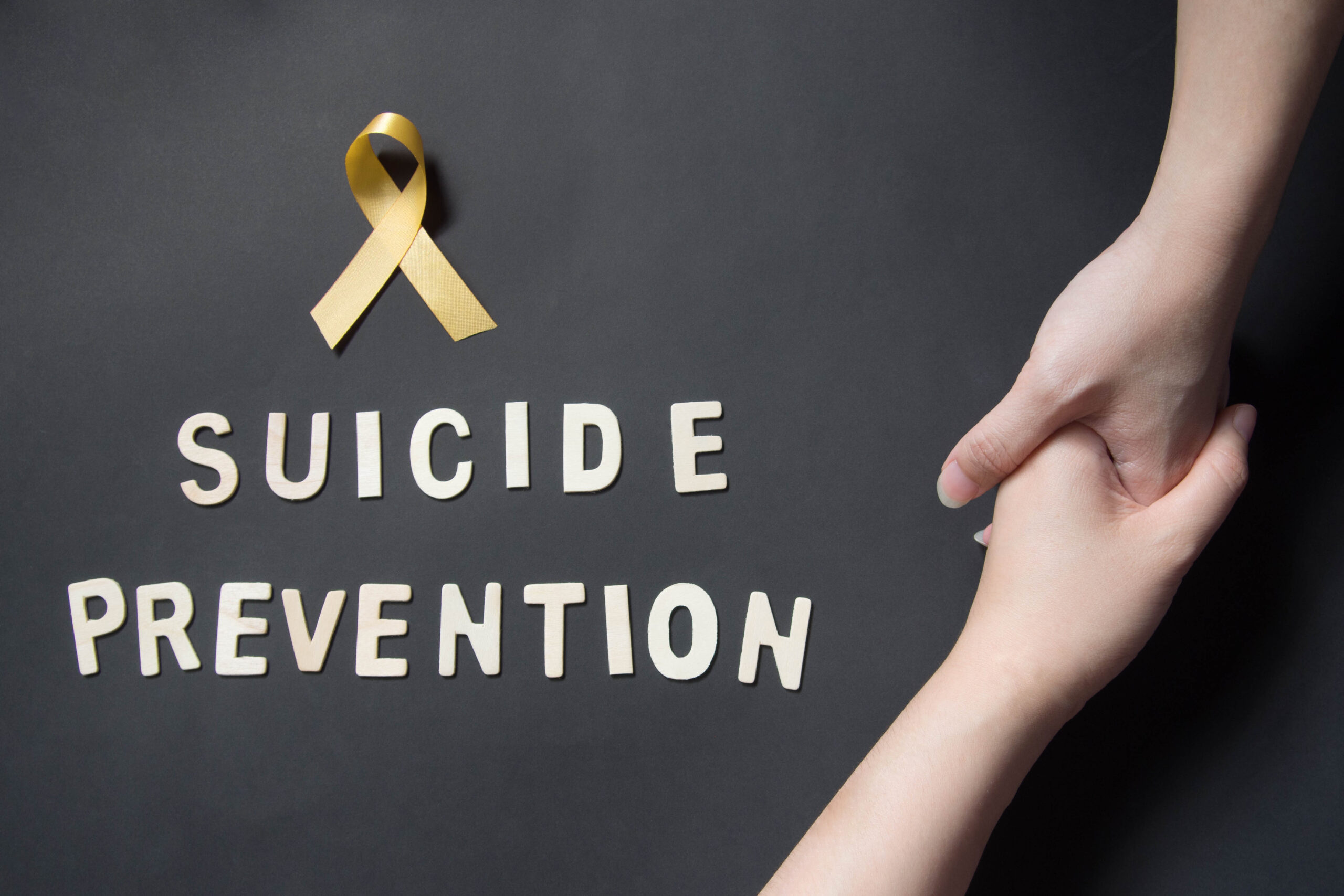
How to Break the Cycle of Suicide Stigma in Your Community
The International Association for Suicide Prevention (IASP) organizes, and the World Health Organization (WHO) endorses World Suicide Prevention Day (WSPD), which is observed annually on September 10th.
Suicide is not the solution to your problems. Your life is precious. Understand the importance of life.
Read this article to learn how to face the challenges and stigma around suicide.
Suicide is the fourth leading cause of death in teenagers aged 15 to 19 years old. If you or a loved one is suffering from a mental health disorder, people’s behavior, actions, and thinking changes drastically and they treat you like you did something shameful. People do it most of the time, without understanding the consequences. It not only hurts the person who has mental disorders like self-harming behavior. They might develop complete isolation, depression, and mental problems, or try to attempt suicide.
So, it is important to learn how to eradicate this problem.
The Impact of Suicide Stigma on Mental Health
Suicide stigma is a powerful and harmful force that often prevents individuals from seeking the help they need. This stigma, fueled by societal misconceptions and lack of education around mental health, creates an environment of shame, silence, and fear. When someone struggles with suicidal thoughts or mental health conditions, the fear of being judged, labeled, or rejected can intensify their emotional pain.
The stigma associated with suicide causes people to feel deeply ashamed of their thoughts or emotions. Instead of reaching out for support, they begin to withdraw. They may stop attending social gatherings, avoid talking to loved ones, and isolate themselves from friends or community. This isolation only worsens the symptoms of anxiety, depression, and hopelessness.
Additionally, suicide stigma can come from close family members and friends who, though often well-meaning, may not know how to respond or may carry outdated beliefs. Some may blame the person suffering, while others believe suicide is a selfish act, further alienating the person in distress. These reactions contribute to a cycle of silence where the individual begins to believe they are a burden or that their pain is their own fault.
For families who have lost someone to suicide, the stigma can continue after the tragedy. They may face judgment from others or struggle with guilt, asking themselves what they could have done differently. This emotional burden adds to their grief and delays the healing process.
To address suicide stigma, it’s crucial to raise awareness, foster open conversations, and create safe spaces where people can talk about their mental health without fear of judgment. Educating communities about the realities of suicide and mental illness can reduce the shame and increase the chances that individuals seek help early—before a crisis point is reached.
Ultimately, combating suicide stigma isn’t just about changing public perception—it’s about saving lives
How to Break the Suicide Stigma
Breaking the suicide stigma is a critical step toward building a more compassionate and supportive society—but it’s not always simple. Suicide stigma is deeply rooted in societal beliefs, cultural norms, and fear, which often leads to silence and judgment instead of understanding and support. While we may not be able to change everyone’s perspective overnight, there are effective ways to start breaking the cycle of stigma and promote mental well-being.
- One of the first steps to combat suicide stigma is to recognize the warning signs of suicidal behavior. This includes extreme withdrawal, expressions of hopelessness, or talking about wanting to die. When you notice these signs, take action—reach out, and if necessary, contact a national suicide helpline. Taking someone seriously in moments of crisis can make all the difference.
- Another way to reduce suicide stigma is by standing up for those who have survived suicide attempts. These individuals often face double the struggle—first, dealing with their mental health issues, and second, coping with the social shame and judgment that comes after. By raising your voice against the prejudice and ignorance they face, you help humanize their experience and show others that recovery is possible.
- Social media can also be a powerful tool in dismantling suicide stigma. Use your platform to speak out about suicide, share helpful resources, and challenge harmful narratives. By normalizing the conversation, you help others feel less alone and more empowered to seek help without fear.
- Self-reflection is just as important. Ask yourself: Am I unknowingly contributing to suicide stigma? Examine your beliefs and language. Do you view suicidal individuals as weak or selfish? If so, it may be time to unlearn these harmful assumptions and replace them with empathy and understanding. Education and awareness are essential tools in fighting stigma.
- Supporting survivors of suicide loss is another important way to address suicide stigma. Losing a loved one to suicide can leave families and friends with overwhelming guilt, confusion, or shame. This pain is often made worse by social rejection or insensitive comments. Offering a listening ear, compassion, and understanding can go a long way in helping them heal—and in dismantling the stigma that surrounds suicide.
Breaking the suicide stigma is not just about public statements—it’s about personal change, community support, and ongoing education. Every small action—whether it’s a conversation, a post, or a gesture of kindness—adds to a culture where people feel safe asking for help, and where suicide is no longer shrouded in shame.
Steps to Overcome the Stigma
Besides breaking the stigma, several steps can help you to overcome the stigma, such as:
- Take treatment for your mental illness: This is especially important for people who try to attempt suicide because they fear admitting and getting treatment. However, taking treatment not only improves their mental condition and provides them with relief from their symptoms so that they can lead a normal life.
- Don’t let the stigma affect you: Stigma not only comes from other people but also from your mind. You start feeling shameful, and guilty or develop self-doubt which can ruin your life. To avoid its effects, increase your knowledge, get some counseling, or join groups where people with similar problems come and talk. That builds your self-esteem and helps to avoid the stigma around you.
- Don’t isolate: Isolation’s not going to remove your bad thoughts, instead, it makes you more vulnerable to them. So, you must share your problem with the people you trust so that your mood and thinking will improve.
- Join a support group: Support groups not only build your self-esteem and self-confidence. But give you a place and people who are suffering from the same feelings and consequences of what they did. The sense of belonging and mutual feeling helps all of them to heal and grow. It not only reduces stigma, but people together can speak against the stigma and try to change people’s perspectives about them.
- Raise your voice against the stigma: Share your opinion on events, and social media platforms or publish your thoughts in magazines, newspapers, or online articles. Educate people about mental illness and how your perspective affects the other person’s life and thinking. So that people understand their problems and understand their mistakes.
The stigma around suicide is all about perspective or old cultural thinking. But this stigma is bad for people who have mental problems or people who lost their family members due to suicide. It is important to create awareness about suicide and the effects of the stigma they create around them.
Want to learn more about treatments that are given to the survivors of a suicide attempt? At Doral Health and Wellness, we have doctors that can help you. For more information, you can visit us at 1797 Pitkin Avenue, Brooklyn, New York, 11212, or call us on 1-347-384-5690. You can also visit our website at https://doralhw.org or contact us at info@mainwebsite.dialysisny.com if you have any queries.