Your child comes home from soccer practice limping. They wince when they walk and grab at the back of their heel. It is worrying, and you want answers.
For many active children, this pain has a name: Sever’s disease. It is one of the most common causes of heel pain in growing kids and teens. The good news is that it is treatable, and it does not cause lasting damage. With the right pediatric foot care, your child can recover and return to the activities they love. Understanding what you are seeing is the first step toward relief.
What Is Sever’s Disease?
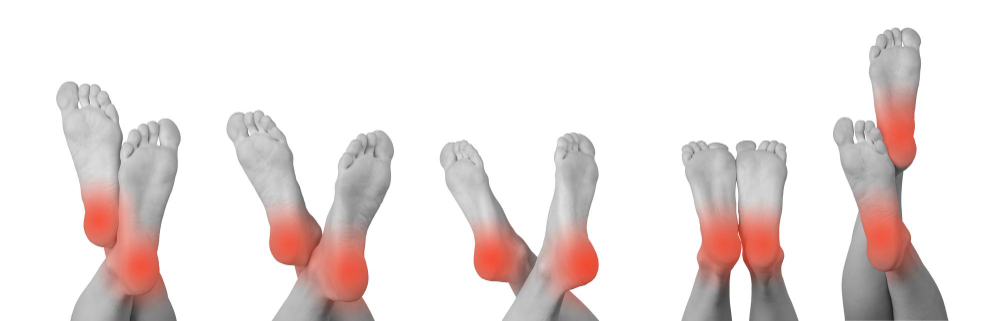
Sever’s disease, also called calcaneal apophysitis, is an inflammation of the growth plate in the heel bone. During growth spurts, the heel bone can grow faster than the muscles and tendons around it. This creates tension where the Achilles tendon attaches to the heel.
The result is pain and swelling at the back of the foot. According to the AAOS, it is one of the leading causes of heel pain in growing children and adolescents. It is not a lasting injury, and it fades as your child stops growing.
Common Signs and Symptoms
Knowing what to watch for helps you act early. Sever’s disease often shows up during or after physical activity, and the signs are usually clear once you know them. If you notice these symptoms lingering, our guide to common childhood foot problems offers helpful context.
Look for these signs:
- Heel pain: Pain at the back or bottom of one or both heels, often worse after running or jumping.
- Limping or tiptoe walking: Your child may walk oddly to avoid pressure on the heel.
- Tenderness and swelling: The heel may feel sore when squeezed or look slightly swollen.
- Stiffness in the morning: Discomfort that eases as the day goes on.
The Cleveland Clinic notes that this inflammation happens right at the heel’s growth plate, which is why the pain is so specific.
Who Is at Risk?
Certain children are more likely to develop this condition. Active kids between the ages of 8 and 14 are the most common group. Boston Children’s Hospital points out that children who play sports or exercise regularly face a higher risk.
Common risk factors include:
- Sports with running and jumping, like soccer, basketball, or gymnastics.
- Rapid growth spurts.
- Tight calf muscles or Achilles tendons.
- Flat feet or high arches.
If your child fits this profile and complains of heel pain, a visit to a podiatrist can confirm the cause and rule out other issues.
Treatment and Pediatric Foot Care Tips
Here is the reassuring part: most children heal fully with simple, at-home steps and professional guidance. The focus is on rest, support, and easing the strain on the heel.
Helpful strategies include:
- Rest: Cut back on the activities that trigger pain until symptoms ease.
- Ice: Apply ice to the heel for 15 to 20 minutes after activity.
- Stretching: Gentle calf and heel stretches reduce tension.
- Supportive footwear: Cushioned shoes or heel pads absorb impact.
For ongoing discomfort, an evaluation by the best podiatrist in Brooklyn, NY can create a plan built around your child’s needs. Families searching for the best podiatrist in Brooklyn, NY often find that early care shortens recovery. You can also explore our tips for active kids’ feet to prevent future flare-ups.
Get Your Child Back on Their Feet
Watching your child hurt is hard. You do not have to figure this out alone.
Our Podiatry team can guide you through diagnosis, treatment, and recovery with care and patience. Reach out today by calling +1 718 367 2555 or visit us at 1797 Pitkin Avenue, New York, NY 11212 to schedule a visit and give your child the comfort they deserve.