A tiny blister can turn into a big worry when you live with diabetes. You might not feel it happen. That is what makes it frightening.
Diabetes can slowly damage the nerves and blood flow in your feet, which means a small cut can go unnoticed and become a serious wound. This is why diabetic foot care and complications deserve your attention every single day. The good news is that daily home checks are simple, quick, and powerful.
By spending just a few minutes each morning or evening, you can spot trouble early and keep your feet healthy for years to come. You do not have to do this alone. This guide walks you through exactly what to look for and when to reach out for help.
Why Daily Foot Checks Matter for Diabetic Foot Care and Complications
Nerve damage, called neuropathy, can hide pain that would normally warn you of injury. A pebble in your shoe or a small sore might go unfelt until it worsens.
According to the CDC, checking your feet every day for cuts, redness, swelling, sores, blisters, corns, or calluses is one of the most important habits you can build. Early detection keeps minor issues from becoming major ones.
The payoff is real. Consistent daily inspection helps prevent infections, ulcers, and hospital visits. A few minutes today protects your mobility tomorrow.
What to Look For Each Day
Keep your routine simple and consistent. Here is what to check:
- Cuts and cracks: Look between and under your toes for any breaks in the skin.
- Redness or warmth: These can signal irritation or the start of an infection.
- Swelling: Puffiness in one foot may point to a deeper problem.
- Blisters, corns, or calluses: Note any thickened or raised spots.
- Color and nail changes: Watch for darkening skin or ingrown nails.
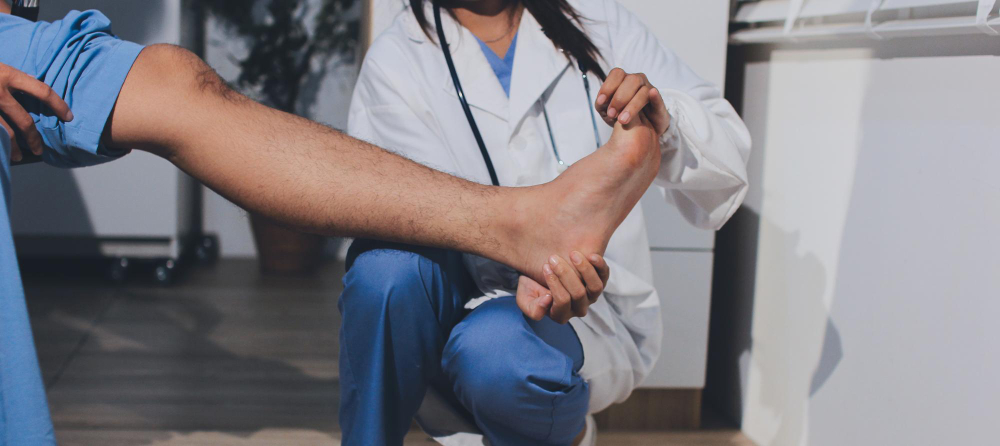
If you cannot see the bottoms of your feet, use a mirror or ask a family member for help. For more everyday guidance, our tips on healthy skin habits pair well with your foot routine.
Simple Steps for Healthy Feet
Prevention goes beyond looking. A few gentle habits keep your feet in good shape:
- Wash your feet daily in warm, not hot, water and dry them well.
- Moisturize the tops and bottoms, but never between the toes.
- Trim nails straight across to avoid ingrown edges.
- Wear clean socks and well-fitting shoes, and never walk barefoot.
These small routines, backed by research from NCBI StatPearls, form the foundation of strong foot health.
When to Call a Podiatrist
Some signs need professional eyes. If you notice a wound that will not heal, growing redness, discharge, or a change in foot shape, it is time to act.
A podiatrist can treat problems you cannot manage at home and help you avoid serious complications. Regular visits also catch hidden issues before you feel them.
Finding a trusted foot and ankle specialist near you brings real peace of mind. If you are searching for a caring podiatrist in Brooklyn, look for one experienced in diabetic care and comfortable with home-based support.
You Do Not Have to Manage This Alone
Daily checks are your first line of defense, and expert care is your backbone. Together, they keep your feet safe.
Whether you need a routine exam or help managing an existing wound, a skilled podiatrist in Brooklyn can guide you every step of the way. Our team even brings compassionate care to your home when travel is difficult.
Protect your health and your independence. Reach out today by calling +1 718 367 2555 or visit us at 1797 Pitkin Avenue, New York, NY 11212 to schedule a visit with our Podiatry team.