Coping with post-surgical pain can be daunting because not only do you need to deal with pain, but you also need to take care of your recovery journey to ensure successful outcomes. To manage post-surgical pain, one of the best treatments is physical therapy because it not only helps to reduce pain but also strengthens your muscles, improves mobility, range of motion, and promotes faster recovery. Learn how physical therapy helps in coping with pain after surgery and the 6 essential components of a successful post-surgical treatment plan in this article. Visit the best Pain Management Clinic in Brooklyn at Doral Health & Wellness or log on to www.doralhw.org. to schedule an appointment with us.
How Does Physical Therapy Help in Coping with Pain after Surgery
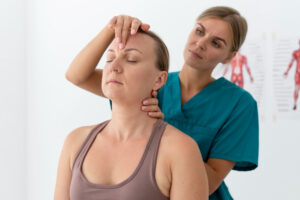
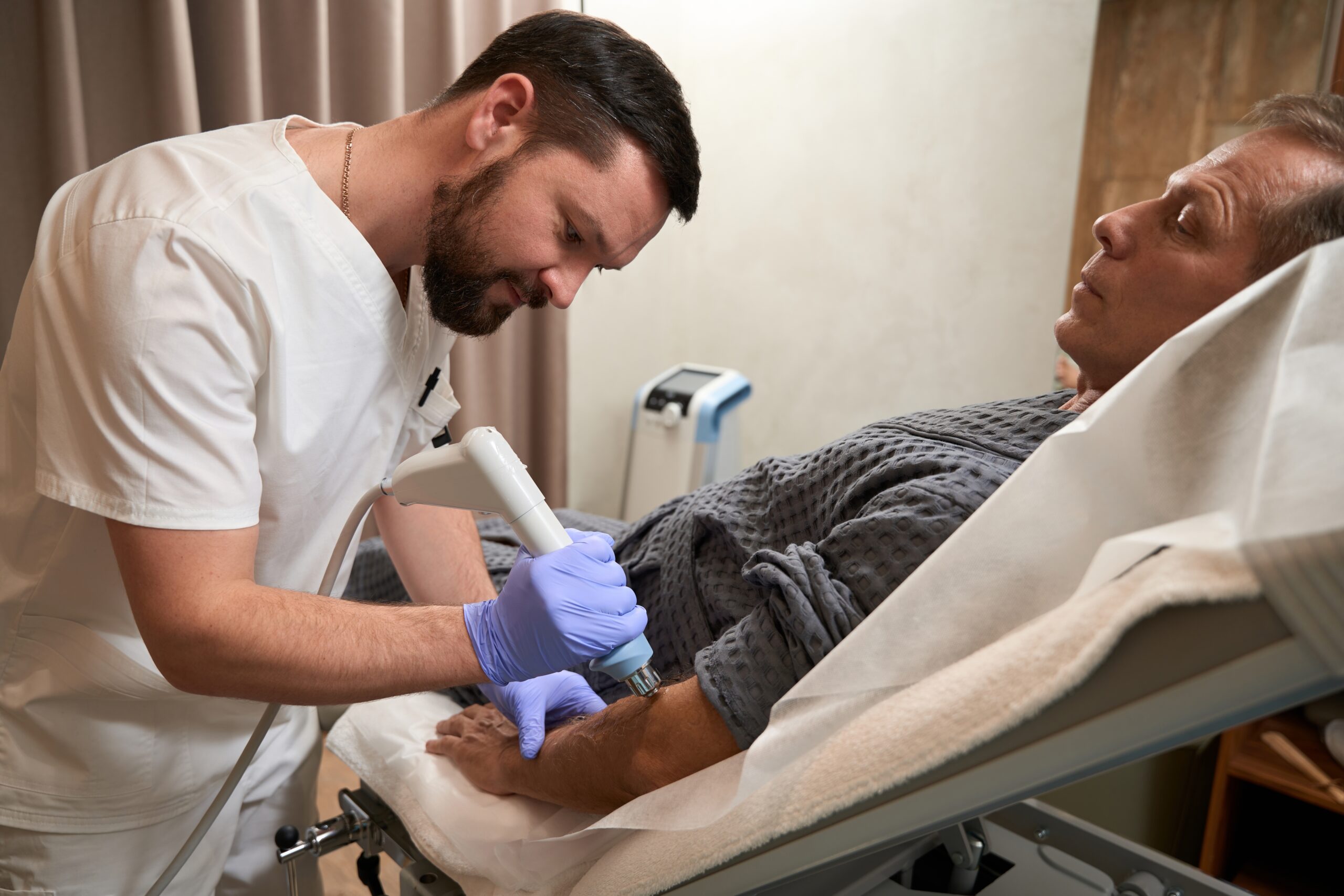
Physical therapy can help address the issues that cause post-surgical pain. For example, if your healing is slow due to poor circulation, you can receive compression or opt for aquatic therapy to improve the circulation. If inflammation occurs, then it can be improved with the help of therapeutic massage or different techniques for reducing pain. Your physical therapist will particularly focus on mobility after an operation, especially if it is musculoskeletal surgery on an arm, leg, hand, or foot, because you need a series of targeted exercises for that specific part to ensure you stay mobile. Your regimen starts with small movements and then gradually shifts towards difficult movements as your physical therapist monitors your progress. This helps you regain strength, dexterity, stamina, agility, and other movement skills. No matter the type of operation, to get the best outcomes, you need a customized exercise plan from a physical therapist that helps you reduce pain and promote recovery.
6 Essential Components of a Successful Post-Surgical Pain Treatment Plan
For a successful post-surgical pain treatment plan, these 6 essential components are necessary:
- Assessment and Diagnosis:
A comprehensive patient assessment lays the foundation of successful physical therapy treatment that promotes recovery and improves overall health. During the assessment, skilled therapists perform diagnosis through:
- Medical History Review: They check your past injuries and surgeries, current medications, lifestyle factors, and pre-existing conditions.
- Physical examination: They check your range of motion, measure muscle strength, perform a balance assessment, and posture analysis.
- Standardized assessment tools: They use the Functional Movement Screen (FMS), the Berg Balance Scale, the timed up and go test, and the patient-specific functional scale.
These assessment tools help to provide a precise baseline of the patient’s current condition, identifying their functional limitations and areas that need attention. They gather data to allow therapists to develop targeted interventions to address individual needs and track progress throughout the rehabilitation journey.
- Selecting Appropriate Interventions based on Individual Needs:
Selecting evidence-based interventions for patients’ unique needs helps to create a successful physical therapy treatment plan. Physical therapists will create personalized intervention strategies that align with patients’ specific needs, abilities, and recovery goals. The key intervention components are:
- Manual therapy techniques
- Therapeutic exercises
- Joint mobilization
- Soft tissue manipulation
- Neuromuscular re-education
- Balance training
- Gait analysis and correction
Patient education also plays an important role in the treatment process. Your therapists will give dedicated time to explain various treatments comprehensively so that you know what to expect with each intervention. Proper exercise technique and form will be demonstrated and practiced to maximize effectiveness and prevent injury. Patients are made aware of the expected sensations during treatment to alleviate concerns and build confidence. Home exercise program instructions will be given in detail to empower patients to continue their rehabilitation outside the clinic. Additionally, therapists guide patients about necessary modifications in daily tasks to support their recovery journey.
- Realistic Treatment Timeline in Therapy:
A well-structured treatment timeline helps create a roadmap for rehabilitation success. As each patient’s healing journey progresses at their unique pace, it is influenced by factors like:
- Age and general health condition
- Severity of the injury or condition
- Individual response to treatment
- Life circumstances and commitments
This flexible approach allows you to adjust for natural variation in recovery speed while keeping you motivated and engaged in the healing journey. They build intervals in your recovery timelines to monitor for potential setbacks or accelerated progress, ensuring realistic expectations throughout the rehabilitation process.
- Educating Patients to Enhance Engagement and Adherence:
Patient education is very crucial in achieving successful outcomes in physical therapy. With comprehensive knowledge about their conditions, treatment approaches, and expected milestones, a well-informed patient can actively participate in their recovery journey. As therapists provide them with comprehensive support through various educational methods to patients, they can understand the underlying causes of their issues and how to properly replicate the exercise techniques correctly at home. This education also creates a relationship between therapist and patient, fostering trust and improving treatment adherence through shared understanding and mutual commitment to recovery goals.
- Incorporating Injury prevention strategies:
Proactive injury prevention techniques in a physical therapy treatment plan are also crucial to protect patients from injury during and after rehabilitation. Education on how the body works helps to understand prevention strategies for patients. That’s why therapists emphasize having proper posture alignment during daily activities, ensuring patients maintain optimal positioning to prevent strain. Safe lifting techniques help to protect joints and muscles from undue stress, whilst ergonomic adjustments for work and home environments create supportive spaces. Additionally, correct movement patterns help to reduce stress on healing tissues, allowing more efficient recovery and long-term protection against re-injury. Consistently practicing these preventive measures helps the patients to develop lifelong habits that lower the risk of re-injury and support long-term musculoskeletal health. For individuals with chronic conditions, access to the Chronic Disease Management plan enhances the effectiveness of these injury prevention strategies.
- Monitoring Progress Regularly:
Regularly monitoring the progress is crucial for the physical therapy journey. This helps to understand the effectiveness of rehabilitation, allowing to make necessary adjustments in the plan. The key indicators therapists use to monitor your progress are:
- Range of motion measurements
- Strength testing results
- Pain level assessments
- Functional ability scores
- Patient-reported outcomes
This real-time progress also allows your therapist to celebrate your achievements while maintaining momentum toward established goals. This data-driven approach allows treatment plans to stay dynamic and responsive to each patient’s unique healing journey.
Coping with post-surgical pain is crucial to proper recovery and returning to daily activities. For this, a physical therapy treatment plan is a good choice that not only allows you to manage pain but also strengthens your muscles, improves range of motion, mobility, and overall health. Make sure you work with your physical therapist to create a treatment plan by implementing the above-mentioned essential components of the post-surgical treatment plan for better post-surgical recovery.
Need help with post-surgical pain? Visit our pain management clinic in Brooklyn to get professional medical help. Call us to book your appointment now!!!!! If you’re ready to take the next step in managing your pain, we recommend consulting with our healthcare provider to explore the right treatments or therapies for you. Always listen to your body and adjust your daily routine to prioritize your well-being. Visit Doral Health & Wellness Pain Relief Department in Brooklyn, to get professional help and guidance on how to manage your problem. Call us on + 1-718-367-2555 to get a consultation. If you need help learning coping methods, register your information and make direct contact with our doctors at https://yuz88hfiyh7.typeform.com/Doralintake. Log on to www.doralhw.org. Or visit us at 1797 Pitkin Avenue, Brooklyn, NY 11212.