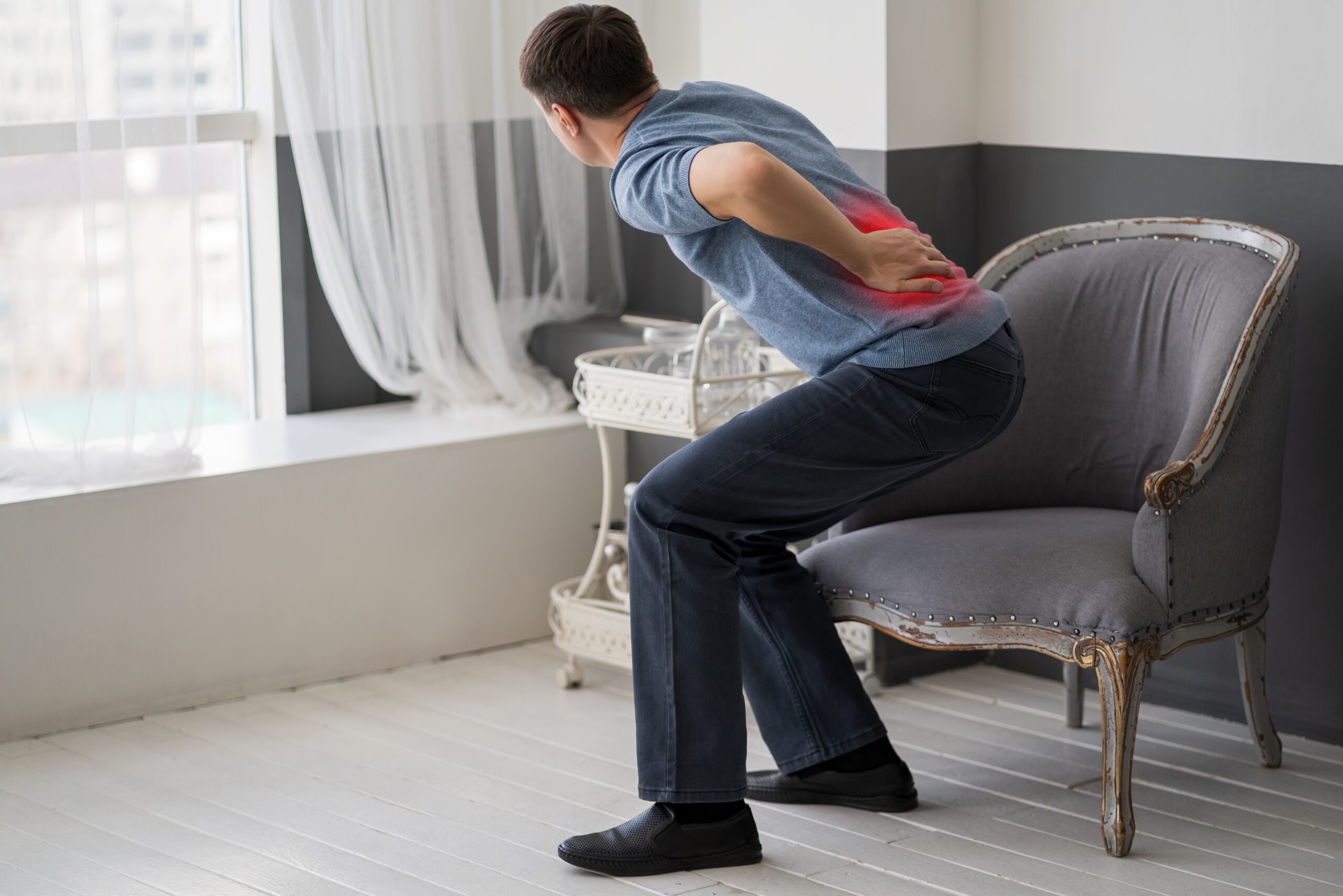
A herniated disc is a very common condition that causes significant pain and reduces your mobility. While the majority of cases get better with conservative treatments, in some cases, surgery is necessary. But you should know when you should consider surgery for a herniated disc and what to expect. Learn when surgery is necessary for a herniated disc and herniated disc surgery basics to know what to expect in this article. Visit the best Pain Management Clinic in Brooklyn at Doral Health & Wellness or log on to www.doralhw.org. to schedule an appointment with us.
When is surgery recommended for a Herniated Disc?
Most cases of herniated discs get better with non-surgical treatment; however, some cases need surgery to manage herniated disc symptoms and improve functionality:
- If other treatment fails to provide relief for your symptoms and disrupt your daily life, surgery is recommended.
- In rare cases, you might have a large, ruptured disk that might injure the nerves involved in bladder or bowel movement, and you need emergency surgery.
- You experience progressive neurological deficits such as weakness, numbness, and difficulty walking.
Herniated Disc Surgery Basics
The main goal of herniated disc surgery is to remove pressure on the nerves of the spinal cord. To achieve this goal, different surgical techniques are used.
- Discectomy:
In this surgery, your surgeon will remove one or all of the damaged discs to relieve the pressure on your nerves. This surgery can be performed in a couple of ways:
- An open discectomy is performed with a cut made in your back or neck.
- Microdiscectomy is a minimally invasive surgical procedure that uses a smaller incision, and the surgeon inserts a thin tube with a camera on its end to see and remove the damaged disk. Microdiscectomy is highly effective in relieving leg pain and improving mobility. Sometimes, this involves the replacement of a disc with an artificial one, which is more common with disc herniation in the neck.
- Laminectomy:
This surgery is recommended for the herniated disc causing spinal canal stenosis or spinal cord compression. In this surgery, the surgeon will remove a small piece of bone called the lamina from the vertebra. This lamina protects your spinal cord. Removing part or all of the laminae will help to relieve pressure on your nerves and stop leg pain and sciatica. Laminotomy removes some part of the lamina, whereas Laminectomy removes most or all of the lamina. Both procedures involve making a small incision down the center of the back or neck over the area of the herniated disc. Generally, it is performed along with a discectomy to remove the herniated disc. These procedures can be lumbar or cervical.
- Lumbar procedures: These help to relieve leg pain or sciatic pain due to a herniated disc in the lower back region.
- Cervical procedures: These help to relieve pain in the neck and upper limbs when a herniated disc causes pain in the neck region.
- Spinal fusion:
This surgery is followed by a discectomy or laminectomy to fuse the two vertebrae on either side of the disk to make your spine more stable. The surgeon uses the bone graft (autograft or allograft) or uses screws and rods to attach the spine to hold it in the corrective position. Mostly, it is used for patients with recurrent or severe disc herniation, spinal instability, and degenerative disc disease. Fusing two bones can stop the bones from moving and prevent any more pain.
- Artificial disc surgery:
This surgery is used for some patients with single-level disc herniation and preserved disc height, as an alternative to traditional fusion surgery. For this procedure, the surgeon gives you general anesthesia and then makes an incision in your back. The damaged disc can be replaced with an artificial disc made up of plastic and metal. You may need to stay in the hospital for a few days. You may need to avoid this surgery if you have arthritis or osteoporosis, or when more than one disc shows degeneration.
Before the surgery, you may need to see a qualified specialist or a surgeon for a second opinion. They recommend what procedure you should undergo or order imaging tests, such as:
- X-ray: This helps to get clear pictures of your vertebrae and joints.
- Computed tomography (CT scan): These scans provide you with more detailed images of the spinal canal and surrounding structures.
- Magnetic resonance imaging (MRI): This machine produces 3-D images of the spinal cord and nerve roots, along with discs themselves.
- Electromyography or nerve conduction studies: These use electrical impulses on the nerves and muscles to study their structure and functional status.
These tests help the doctor to determine which surgery will be the best fit for you. Other important factors considered for surgery are the location of your herniated disc, your age, and your overall health.
All surgeries involve some common risks such as infection, bleeding, nerve damage, allergy to anesthesia, etc. If the disc isn’t removed, it will rupture again. If you have degenerative disc disease, you may develop problems in other discs as well.
When you undergo spinal fusion surgery, a certain amount of stiffness can be expected, which might be permanent. After your surgery, you may be given specific instructions to follow regarding when to resume normal activities and when to start exercising. In some cases, physical therapy may be needed. So, you must follow the doctor’s recommendations. Most people recover well after disc surgery, but each case is different. Your outcome can depend on the type of surgery, any complications you may encounter, and the general state of your health.
You should consider surgery for herniated discs when conservative treatments fail to improve your symptoms or when you develop a rare, herniated disc condition. You can talk with your specialist about the type of surgery you should consider for herniated discs and the benefits and risks of those in improving your condition.
Need help with herniated discs? Visit our pain management clinic in Brooklyn to get professional medical help. Call us to book your appointment now!!!! If you’re ready to take the next step in managing your pain, we recommend consulting with our healthcare provider to explore the right treatments or therapies for you. Always listen to your body and adjust your daily routine to prioritize your well-being. Visit Doral Health & Wellness Pain Relief Department in Brooklyn, to get professional help and guidance on how to manage your problem. Call us on + 1-718-367-2555 to get a consultation. If you need help learning coping methods, register your information and make direct contact with our doctors at https://yuz88hfiyh7.typeform.com/Doralintake. Log on to www.doralhw.org. Or visit us at 1797 Pitkin Avenue, Brooklyn, NY 11212.