Corns and calluses are both thickened skin patches caused by repeated pressure or friction, but they differ in size, location, and pain level. Calluses are larger, flatter, and rarely painful. Corns are smaller, more concentrated, and often cause sharp pain when pressed. A podiatrist can safely diagnose and treat both conditions.
Foot discomfort is easy to dismiss. A rough patch on your heel, a sore spot near your toe — most people assume it will go away on its own. Sometimes it does. But when that tenderness keeps coming back, or when certain shoes become unbearable, your feet may be signaling something worth paying attention to.
Corns and calluses are among the most common foot complaints, yet many people are unsure what sets them apart — or when home remedies are no longer enough. Understanding the difference between corns and calluses can help you make the right call before a minor nuisance becomes a more serious problem.
What Are Corns and Calluses?
Both corns and calluses are areas of thickened, hardened skin. Your body builds them up as a natural response to repeated friction or pressure — a protective mechanism, in other words. They often form on the feet and toes, though calluses can also appear on the hands and knees.
They are not the same condition, though. Knowing what makes each one distinct is the first step toward finding the right treatment.
Calluses tend to be larger, flatter, and less defined around the edges. They usually develop on high-pressure areas — the heels and balls of the feet — and are rarely painful, even when pressed.
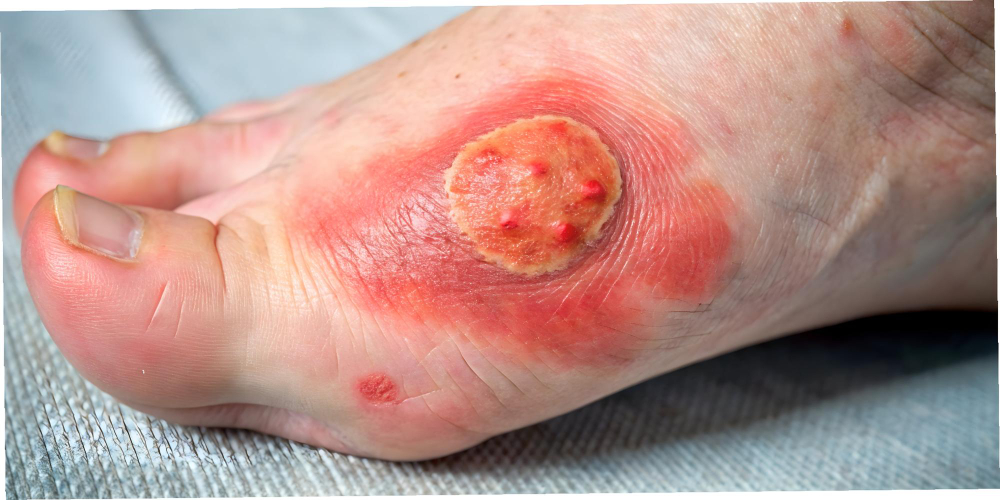
Corns are smaller, more concentrated patches of hardened skin, typically surrounded by inflamed tissue. They most often appear on or between the toes and can cause sharp or aching pain when pressure is applied.
What Is the Key Difference Between Corns and Calluses?
Appearance and Location
The physical differences between corns and calluses are fairly clear once you know what to look for.
Calluses are broad and flat, with edges that gradually blend into the surrounding skin. They are most common on the soles of the feet — particularly the heel and ball — where the most body weight lands during walking.
Corns have a hard, dense center surrounded by irritated skin. Hard corns typically develop on the tops or outer edges of the toes. Soft corns, which have a rubbery texture due to trapped moisture, tend to form between the toes.
Pain and Sensitivity
Pain is one of the clearest ways to tell corns and calluses apart.
Calluses are generally painless. Because they spread pressure across a wider area, they rarely cause the sharp discomfort associated with corns. Many people have calluses on their feet without realizing it.
Corns, by contrast, can be quite painful — especially when you press on them directly or wear shoes that squeeze the affected area. Corns are smaller and deeper than calluses, which is part of why they cause more localized discomfort.
What Are the Types of Corns?
Not all corns are the same. There are three main types:
- Hard corns — Small, dense patches of skin that usually form on the tops or sides of toes, particularly where they press against footwear.
- Soft corns — Whitish and rubbery in texture, soft corns tend to develop between the toes where moisture accumulates. They can be particularly tender.
- Seed corns — Tiny and often clustered together, seed corns most commonly appear on the soles of the feet and are generally less painful than other types.
What Causes Corns and Calluses?
Friction and pressure are the root causes of both conditions. Corns often appear on the tops or sides of toes, while calluses form on the soles — both in direct response to how your feet interact with shoes and the ground.
Common triggers include:
- Ill-fitting footwear — Shoes that are too tight compress the toes, while shoes that are too loose allow the foot to slide and rub repeatedly.
- Going barefoot — Walking without cushioning exposes the soles to constant impact without protection.
- Foot deformities — Conditions like bunions or hammertoes shift how pressure distributes across the foot, creating new friction points.
- Repetitive activity — Running, prolonged standing, or walking long distances without proper support increases the risk significantly.
Inappropriate shoes, abnormal foot mechanics, and high levels of activity are the primary mechanical forces behind corn and callus formation. Removing those forces is central to effective treatment.
When Should You See a Podiatrist?
Home care works well for many mild cases. But certain signs mean it is time to seek professional help rather than continue self-treating.
Reach out to a podiatrist if you notice:
- Redness or swelling around a corn or callus that does not settle
- Fluid or discharge, which may indicate infection
- Skin that breaks open or shows signs of ulceration
- Numbness or reduced sensation in the affected area
- No improvement after several weeks of consistent home care
For people managing diabetes or poor circulation, the stakes are higher. Even a minor corn or callus can lead to an infected open sore if left unaddressed, according to the Mayo Clinic. In these cases, do not wait — consult a podiatrist at a podiatry clinic in Brooklyn or your local area as soon as you notice a problem.
What Are the Treatment Options for Corns and Calluses?
Treatment depends on the severity of the condition and what is causing it. Most mild cases respond well to consistent home care.
At home:
- Soak your feet in warm water to soften hardened skin before gently using a pumice stone — never file inflamed or broken skin aggressively.
- Apply a moisturizer containing urea or salicylic acid to gradually reduce the thickness of the skin.
- Switch to well-fitting shoes with proper cushioning and adequate room for your toes.
- Use protective pads or toe separators to reduce friction in problem areas.
With a podiatrist:
A podiatrist can safely trim or debride thickened tissue, apply medicated pads, and — importantly — address the underlying cause. Custom orthotics are sometimes recommended to redistribute pressure and prevent recurrence. As noted by Singh et al. in the BMJ, conservative management through proper footwear and orthoses resolves most cases when the mechanical cause is corrected.
Surgery:
Surgery is rarely necessary. It is typically considered only when a structural foot deformity — such as a hammertoe or bunion — is driving the problem and has not responded to other measures.
Your Next Step Starts With the Right Care
Corns and calluses are common. That does not make them something to push through indefinitely. Persistent pain, worsening skin, or any sign of infection deserves professional attention — not just another round of self-treatment.
Our Podiatry care team provides compassionate, expert care for foot conditions at every stage. This understands how much foot discomfort can affect your daily life, and we are here to help you find lasting relief. Whether you are dealing with a recurring callus or a painful corn that has not responded to home care, a podiatrist can assess your situation and recommend a treatment plan tailored to your needs. Reach out today by calling +1 718 367 2555 or visit us at 1797 Pitkin Avenue, New York, NY 11212 to schedule an appointment.