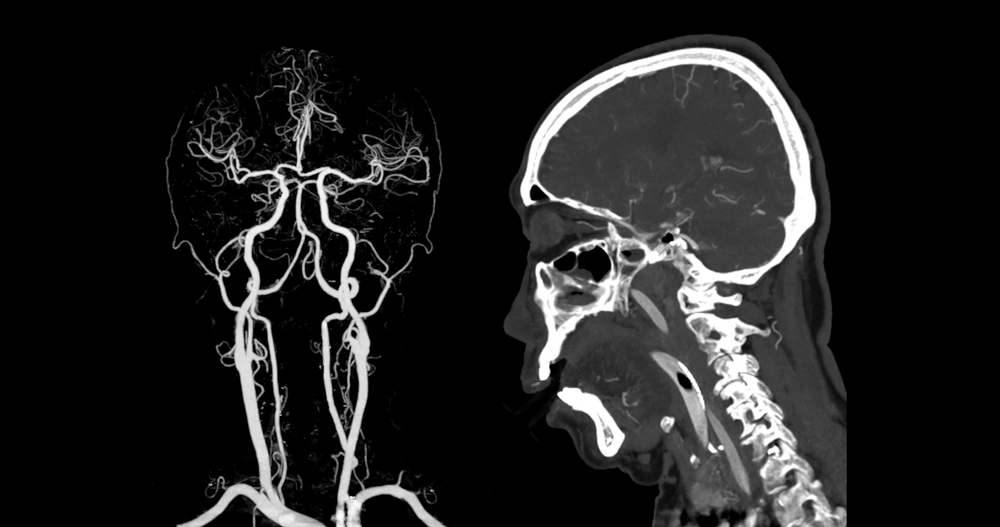
CTA imaging risks mainly involve radiation exposure and reactions to contrast dye, but both can be managed safely with the right precautions. Modern equipment, careful dosing, and screening protocols help minimize these concerns. Working with an experienced vascular specialist ensures your scan is both accurate and as safe as possible.
Learning you need a CTA scan can bring up a lot of questions, and worry is a natural response. You may wonder about radiation exposure, contrast dye reactions, or what the results will mean for your health. These concerns are valid, and understanding them is the first step toward feeling more at ease.
This guide explains the real CTA imaging risks, how clinics work to manage radiation and contrast needs for CTA imaging, and what role a vascular specialist plays in keeping you safe throughout the process.
Understanding CTA Imaging Risks
A CTA scan uses a small amount of radiation along with contrast dye to produce detailed images of your blood vessels. Like most imaging procedures, it carries some risk, though for most patients that risk is low.
Radiation Exposure
CTA scans involve low-dose radiation, similar in range to other diagnostic imaging procedures. For most patients, this brief exposure poses minimal long-term risk. Your care team will always weigh the benefit of a clear diagnostic picture against the radiation involved before recommending the scan.
Contrast Dye Concerns
The contrast dye used during a CTA scan helps highlight blood vessels so doctors can spot blockages or abnormalities. In rare cases, patients experience allergic reactions or kidney strain, particularly if they have existing kidney conditions. Your provider will review your medical history beforehand to reduce this risk.
Managing Radiation and Contrast Needs for CTA Imaging
Managing radiation and contrast needs for CTA imaging is a shared responsibility between advanced technology and careful clinical judgment.
How Clinics Minimize Radiation
Many clinics now use updated scanners designed to capture clear images using the lowest possible radiation dose. Technologists also tailor settings based on your body size and the specific area being examined, so you are never exposed to more radiation than necessary.
Contrast Safety Protocols
Before administering contrast dye, your care team typically reviews your kidney function and any history of allergic reactions. Staying hydrated before and after the scan also helps your kidneys process the dye more easily. These simple steps go a long way toward keeping the procedure safe.
How a Vascular Specialist Can Help
You do not have to navigate CTA imaging risks on your own. A vascular specialist brings focused training in vascular health and imaging interpretation, which means they can identify the safest scanning approach for your specific situation.
A vascular specialist also reviews your results with an experienced eye, catching subtle signs that general imaging review might miss. This expertise gives your care team clear direction, so decisions about your treatment are based on accurate, well-understood information.
Finding a Vascular Clinic in Brooklyn
If you are looking for a vascular clinic in Brooklyn, prioritize one that combines modern imaging equipment with an experienced vascular specialist on staff. A trustworthy vascular clinic in Brooklyn should also walk you through every step of the process, from preparation to results, so you always know what to expect.
You deserve care that treats your safety and your peace of mind as equally important.
Moving Forward with Confidence
Understanding CTA imaging risks does not mean facing them alone. With the right precautions around radiation and contrast, along with guidance from a skilled vascular specialist, your scan can be both safe and informative.
Our vascular team is here to support you and your loved ones through every step of the imaging process, from your first question to your final results. Reach out to us today by calling us at +1-718-367-2555 or walking into our clinic at 1797 Pitkin Avenue, Brooklyn, NY 11212 to learn more about how we manage radiation and contrast needs for CTA imaging.