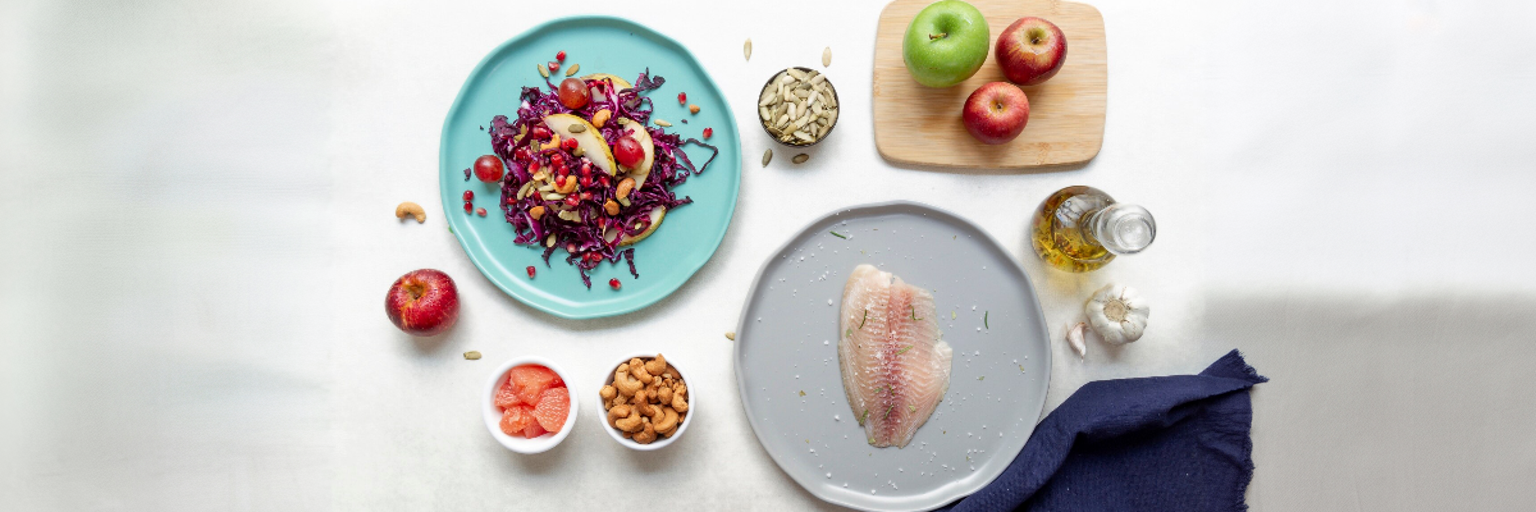
Managing a diagnosis of kidney failure requires significant lifestyle adjustments, particularly concerning your diet. The concept of healthy eating on dialysis can feel restrictive and overwhelming, but it is a critical component of managing your condition effectively. Learning to prepare flavorful and satisfying dialysis-friendly recipes is not only possible but also empowering. This guide is designed to provide you with the foundational knowledge and practical ideas needed to create delicious kidney-friendly meals, transforming your relationship with food and supporting your overall health journey with confidence.
At Doral Health & Wellness, our commitment is to provide comprehensive support to every patient. Our team of specialists, including dietitians and nephrologists, offers personalized guidance to help you navigate your dietary needs. We are dedicated to ensuring you have the resources to manage your health effectively while enjoying your meals.
The Core Principles of Healthy Eating on Dialysis
A dialysis diet is carefully designed to reduce the buildup of waste products and fluid in your blood between treatments. The goal is to work with your dialysis treatments, not against them. A registered dietitian, in coordination with your nephrologist in NY, will provide specific recommendations, but the core principles generally focus on monitoring four key components.
- Phosphorus
Phosphorus is a mineral that builds up in the blood when the kidneys fail, which can weaken bones and cause itchy skin.
- Foods to Limit – Dairy products (milk, cheese, yogurt), nuts, seeds, dried beans, dark colas, and processed foods with phosphate additives.
- Kidney-Friendly Alternatives – Rice milk (unenriched), refined grains like white bread and pasta, and fresh fruits and vegetables.
- Potassium
High levels of potassium can affect your heart rhythm, which can be dangerous.
- Foods to Limit – Oranges, bananas, potatoes, tomatoes, avocados, and salt substitutes.
- Kidney-Friendly Alternatives – Apples, berries, grapes, cauliflower, and cucumbers. A technique called leaching can also reduce the potassium in vegetables like potatoes.
- Sodium
Too much sodium makes you thirsty, causing you to drink more fluids. This excess fluid can raise your blood pressure and make dialysis sessions more difficult.
- Foods to Limit – Canned soups, frozen dinners, processed meats, and fast food.
- Kidney-Friendly Alternatives – Cooking with fresh ingredients and flavoring foods with herbs, spices, and other sodium-free seasonings.
- Fluids
Because your kidneys can no longer remove excess water, your fluid intake will be restricted.
- What Counts as Fluid? – Water, coffee, tea, juice, and foods that are liquid at room temperature, such as soup, ice cream, and gelatin.
- Management – Your care team at a Brooklyn dialysis clinic or similar facility will give you a specific daily fluid allowance.
Building Flavorful Dialysis-Friendly Recipes
With a few adjustments, you can create a wide array of delicious and satisfying kidney-friendly meals. The key is to focus on fresh ingredients and learn how to build flavor without relying on salt.
Mastering Herbs and Spices
Your spice rack is your best friend on a dialysis diet.
- Create Your Own Blends – Combine garlic powder, onion powder, paprika, black pepper, and dried herbs like oregano or thyme for a versatile, salt-free seasoning.
- Use Fresh Ingredients – Fresh garlic, onions, ginger, and hot peppers add a powerful flavor punch.
- Add Acidity – A splash of vinegar or a squeeze of lemon or lime juice at the end of cooking can brighten the flavors of a dish, reducing the need for salt.
If you’re looking for guidance, asking for a referral to a dietitian from a “kidney doctor near me” can provide you with tailored advice on using seasonings.
Sample Dialysis-Friendly Recipes
Here are a few ideas to get you started on your culinary journey. Always check with your dietitian to ensure these recipes fit your specific dietary plan.
Herbed Roasted Chicken with Vegetables
A classic comfort food made kidney-friendly.
- Ingredients
- 1 whole chicken (about 3-4 lbs)
- 1 tbsp olive oil
- 1 tsp garlic powder
- 1 tsp onion powder
- 1 tsp dried thyme
- 1/2 tsp black pepper
- 1 head cauliflower, cut into florets
- 2 red bell peppers, sliced
- Instructions
- Preheat oven to 375°F (190°C).
- Pat the chicken dry. In a small bowl, mix the olive oil, garlic powder, onion powder, thyme, and pepper. Rub the mixture all over the chicken.
- Toss the cauliflower and bell peppers with a little olive oil and spread them in a roasting pan. Place the chicken on top.
- Roast for 60-75 minutes, or until the chicken is cooked through and the juices run clear.
Simple and Savory Garlic Noodles
A quick and easy side dish.
- Ingredients
- 8 oz spaghetti or angel hair pasta
- 2 tbsp olive oil
- 4 cloves garlic, minced
- 1/4 tsp red pepper flakes (optional)
- 2 tbsp chopped fresh parsley
- Instructions
- Cook pasta according to package directions. Drain well.
- While the pasta cooks, heat olive oil in a pan over medium heat. Add the minced garlic and red pepper flakes and cook for about 1 minute until fragrant.
- Add the drained pasta to the pan with the garlic oil. Toss to coat.
- Stir in the fresh parsley before serving.
Smart Shopping and Meal Planning
Success with healthy eating on dialysis begins at the grocery store. Planning your meals and knowing what to look for makes shopping much easier.
Reading Food Labels
Become an expert at reading nutrition labels.
- Scan for Sodium – Look for foods labeled “sodium-free” or “low-sodium.”
- Check for “Phos” – Avoid ingredients that have “phos” in their name, such as calcium phosphate or phosphoric acid. These are phosphate additives that are easily absorbed by the body.
- Serving Sizes – Pay close attention to serving sizes to accurately track your intake of key nutrients.
For patients receiving treatment, the dietitians at your local center for “dialysis near me” are an excellent resource for learning how to navigate the grocery store.
Adjusting to a dialysis diet is a journey, not a destination. By embracing the principles of kidney-friendly cooking and experimenting with dialysis-friendly recipes, you can regain control over your meals and find joy in food again. Focusing on fresh ingredients, mastering salt-free seasonings, and planning your meals are powerful steps toward healthy eating on dialysis. Remember to work closely with your healthcare team to tailor your diet to your individual needs, ensuring you receive the best possible support for your health.
For expert guidance on managing your kidney health, including dietary support and advanced dialysis treatments, we invite you to connect with our dedicated team. Contact Doral Health & Wellness today at 1-718-365-2555 or visit us at 1797 Pitkin Avenue, Brooklyn, New York 11212.
For general information about Doral Health & Wellness services, you can contact or email info@doralhw.org.