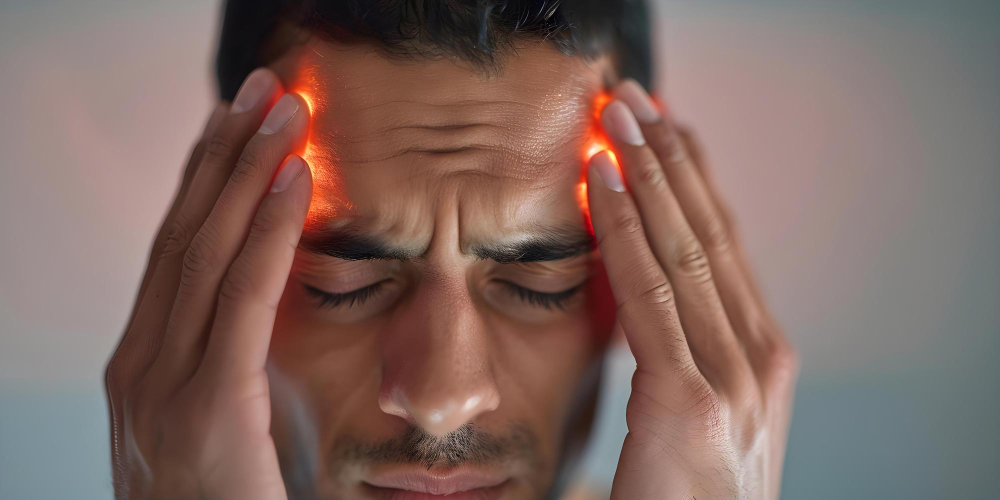
Your head is pounding, and you cannot help but worry it means your blood pressure is dangerously high. Many people feel the same fear. It is a common concern, and it deserves a clear, honest answer.
Hypertension is often called the “silent” condition for a reason. Most of the time, it produces no obvious symptoms at all. Yet headaches and chest pain still send families searching for answers, especially when a loved one has been recently diagnosed or is recovering at home. Understanding the real connection between high blood pressure, headaches, and chest pain can help you feel more in control. It can also help you know exactly when to reach out for expert care.
Does Hypertension Actually Cause Headaches?
For most people with mildly elevated blood pressure, the answer is no. Research from major health organizations shows that everyday high blood pressure does not usually trigger headaches.
There is an important exception. When blood pressure spikes to very high levels, a medical emergency called a hypertensive crisis can occur. This can bring on a severe headache along with other symptoms.
If your loved one is managing blood pressure at home, our in-home cardiology care team can help track readings and catch dangerous changes early.
Warning Signs of a Hypertensive Crisis
Certain symptoms mean you should seek help right away. Call emergency services if you or a loved one experiences:
- Sudden severe headache that feels different from a normal one
- Chest pain or a tight, squeezing feeling in the chest
- Shortness of breath or difficulty breathing
- Blurred vision or confusion
- Nosebleeds paired with a very high reading
These signs matter. Acting quickly can prevent serious harm.
Where Does Chest Pain Fit In?
Chest pain frightens families more than almost any other symptom. That fear is understandable, because chest pain can signal a heart problem that needs immediate attention.
Long-term hypertension puts extra strain on your heart and blood vessels. Over time, this strain raises the risk of heart disease, which may show up as chest pain during activity or stress. Chest pain should never be ignored, even when it comes and goes.
The good news is that regular monitoring and support make a real difference. Learning to manage blood pressure at home gives you practical tools and daily reassurance.
When to See a Heart Doctor
You do not need to wait for an emergency to get answers. It is wise to speak with a heart doctor if you notice:
- Chest discomfort that returns during exertion or rest
- Headaches alongside consistently high blood pressure readings
- Dizziness, fatigue, or a racing heartbeat
- A new diagnosis that leaves you unsure what comes next
A qualified heart doctor can review your history, run simple tests, and build a care plan that fits your life. Finding the best cardiologist for your situation brings clarity and comfort during an anxious time.
Peace of Mind Starts With the Right Support
Worrying about every headache or twinge of chest pain is exhausting. You should not have to carry that weight alone.
With the right guidance, you can tell the difference between a passing symptom and a real warning sign. That knowledge protects your loved one and eases your mind. Working with the best cardiologist means expert eyes on your heart health, wherever you feel most comfortable.
Our compassionate Cardiology team brings skilled, personalized care directly to your home. Reach out today by calling us at +1-718-367-2555 or walking into our clinic at 1797 Pitkin Avenue, Brooklyn, NY 11212 to schedule a visit and give your family the reassurance you deserve.